


As with most days living in the world of Donald Trump, the exhaustion comes from the churn: a declarative threat, a partial retreat, an insistence that everyone misunderstood or a declaration of victory, and then the next demand.
But Trump’s Greenland ultimatum wasn’t just another episode in the churn. It turned a long-understood pattern into fresh evidence that this White House treats security commitments less as a standing guarantee than as a bargaining chip, and it taught allies that the safest response is not outrage; it’s options.
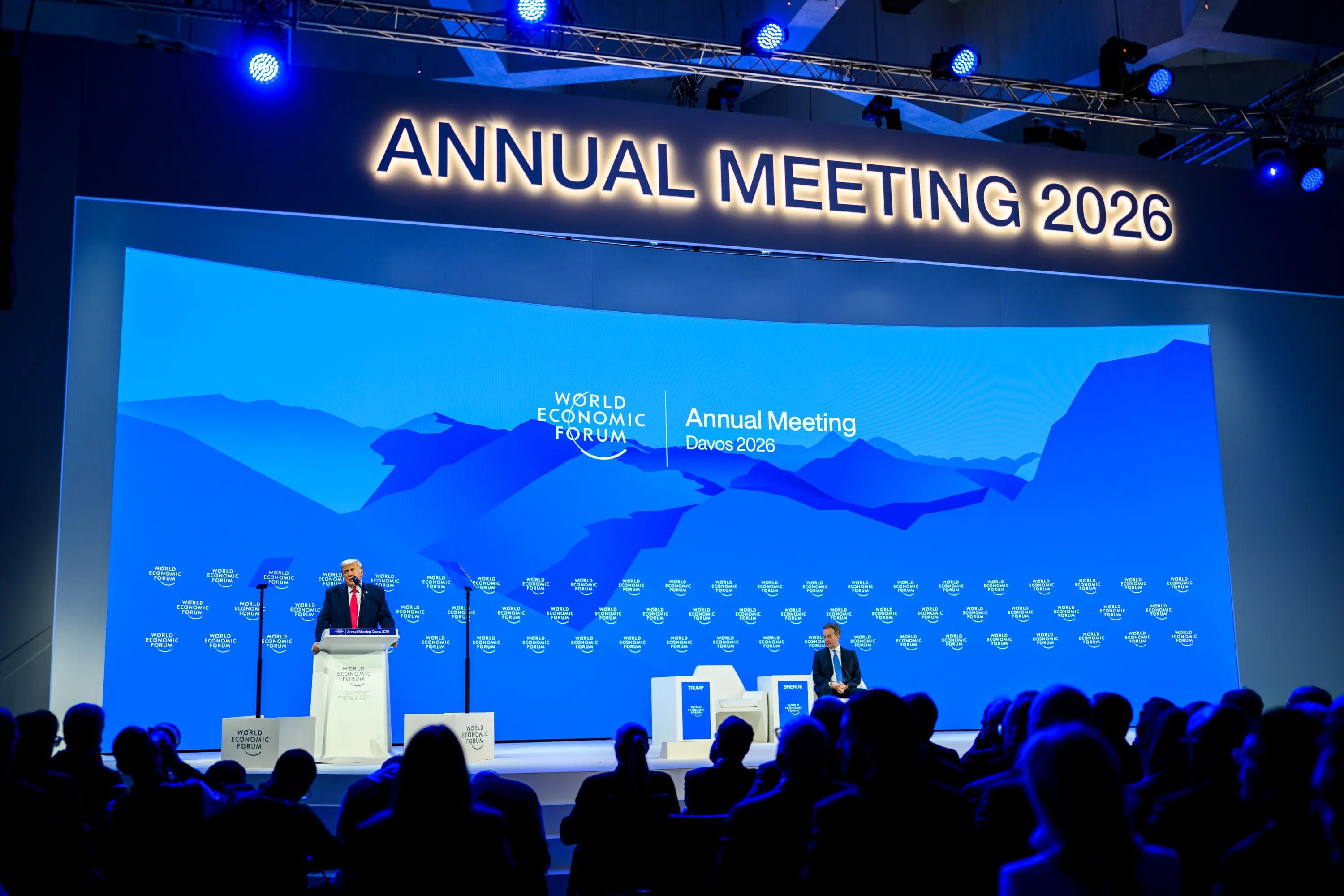
At the World Economic Forum in Davos last month, NATO Secretary General Mark Rutte played the familiar role: soothe the patron, take the temperature down, and produce a “framework” that lets everyone pretend the Greenland crisis was managed. The interpretation emerging from this drama might be that nothing changed.
Or maybe it did.
The Greenland threat didn’t introduce coercion into allied politics; Trump has used leverage on partners for years. This time, the pressure carried an implied threat of taking territory “the hard way.” Denial, acquiescence, flattery — U.S. allies have tried all of these. But Greenland may have turned hedging from prudence into necessity — the shift Canadian Prime Minister Mark Carney urged in his Davos speech: reduce “the leverage that enables coercion” by diversifying trade partners, reducing strategic dependencies, and banding together.
Where things go after Greenland should not be measured by what leaders say in public. They will keep playing the game — making the compliance noises Trump thrives on. The real measure is what governments do when the cameras are gone. Much of this has been underway for a while, but Greenland may push more allies to double down on quiet insurance: trade deals that double as contingency plans, diplomatic outreach that creates room to maneuver without announcing a break, and buying decisions that build backups instead of assuming the supply chain will always hold.
Call them escape hatches. You don’t build them because you want to leave. You build them because you don’t trust the locks.
Canada is a good example: Ottawa’s deal with Beijing in January was not a full free-trade pact, but it will reduce tariffs on a limited number of Chinese electric vehicles and agricultural products, and it positions both countries to work on other trade issues. Though not a pivot toward China, it is a pragmatic widening of Canada’s economic options in response to Trump’s determination to squeeze Ottawa’s dependence as hard as possible.
After Greenland, Carney looks more confident, not more cautious. He’s making Canada harder to squeeze: small moves, hard to punish, enough to spread the risk — and enough to tell other partners that Ottawa is open for business even when Washington is not.
British Prime Minister Keir Starmer’s trip last month to Beijing fits that pattern. The agenda wasn’t a grand “reset” with China; it was practical and commercial—tariffs, visas, market access, the kind of issues governments can move on without calling it a strategic shift. As with Carney’s efforts, Starmer’s visit to Beijing triggered suspicion in Washington. But Trump’s reaction was was the tell: He branded the U.K.’s China outreach “very dangerous” then seemed to suggest he was really talking about Canada — signaling that the White House’s “line” is not anchored to a clear set of behaviors so much as to a mood.
The European Union is making the most consequential adjustment, and its effects will be felt across Europe. After nearly two decades of stalled talks, the EU and India concluded a free-trade agreement on Jan. 27 that sharply reduces tariffs across most goods and expands market access on both sides. The significance isn’t the ceremony; it’s the scale. It also serves India’s interest in widening its options with Washington. The deal reduces how much any single U.S. tariff threat can shape European choices without requiring Brussels to announce a strategic break.
We are likely to see more such engagements in the coming months because the lack of trust in the United States that was all but confirmed following Greenland has become a material incentive for partners to widen their options — sometimes through outreach to other major economies, particularly China. The recent run of senior visits to China fits that second track. China is positioned to absorb that demand, presenting itself as the “predictable partner” while the United States signals that guarantees are no longer automatic.
On military security, the picture after Greenland is thinner and more uncomfortable. What comes next is still mostly plans, not practice; unlike trade and diplomacy, there is little evidence of meaningful hedging underway. European leaders are debating greater autonomy and higher defense spending, but most of that predates Greenland — and none of it yet amounts to a credible alternative to U.S. power inside NATO.
Don’t expect a dramatic divorce. Europe can’t swap out American power overnight, and it knows it. What you’ll get instead is a new habit: allies still lean on U.S. guarantees, but they plan like those guarantees could be renegotiated at any moment. The shift will be quiet and hard to photograph. The risk isn’t NATO falling apart. It’s NATO becoming less dependable, one small decision at a time.
What comes next after Greenland isn’t a mystery, but it won’t be tidy. It will be a period of rewiring without a blueprint, in which Canada, the EU, and — more quietly — U.S. partners in Asia keep widening their options while insisting that nothing fundamental has changed.
Trump’s response will be to double down. The more Washington treats diversification as disloyalty — tariffs, threats, public shaming — the more partners will treat redundancy as basic due diligence.
So where is this headed? Toward an alliance system that still exists but functions less like a default setting and more like a contract that must be reaffirmed, case by case, crisis by crisis.
Greenland didn’t end U.S. leadership. It changed the terms on which others will accept it.
Brian O’Neill, a retired senior executive from the CIA and National Counterterrorism Center, is an instructor on strategic intelligence at Georgia Tech. His Safehouse Briefing Substack looks at what’s ahead in global security, geopolitics, and national strategy.

The U.S. can no longer be counted on as a safe ally especially when we have leadership that looks like Donald Trump. We always had everyone’s back but no more. A perfect title the U.S. is a risk to be managed.
Great and sad insight. Is there any country that we Contrarians can make a deal with? Our own personal security is out the window. Could use some backup.