


Congress is facing an urgent test of its ability to preserve independent oversight and accountability.
The Government Accountability Office, the independent congressional watchdog responsible for determining whether the executive branch is properly spending public money and faithfully implementing the laws, is without a permanent leader. Rather than undertake the careful, bipartisan process required to fill this critical position, Sen. Rand Paul (R-KY) appears poised to rush through a nomination process that could pave the way for President Trump to install a handpicked loyalist to lead the agency weeks before power changes hands in Congress.
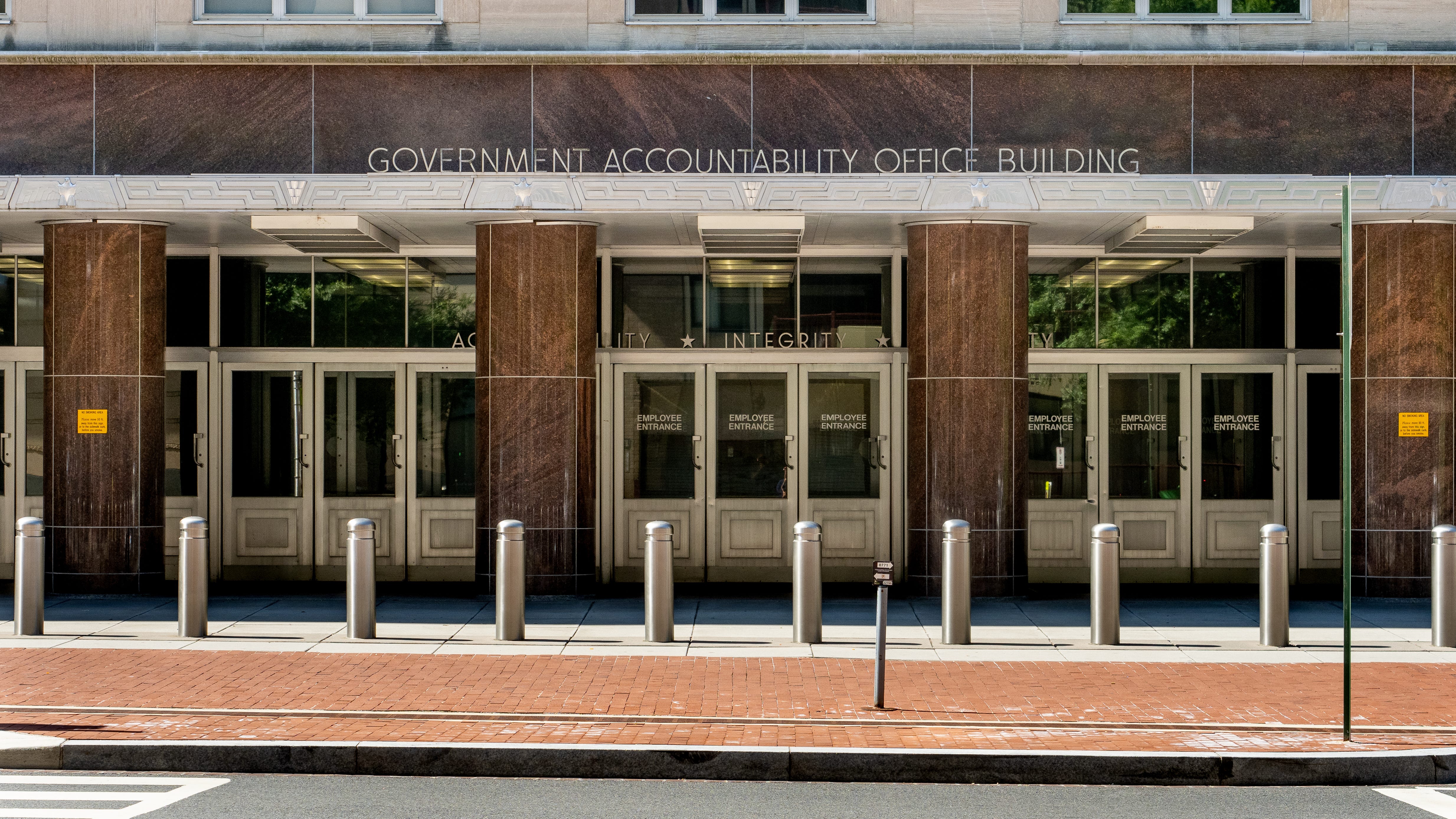
The stakes couldn’t be higher. The GAO serves Congress and provides independent, nonpartisan oversight of the executive branch. Its ability to do so depends on leadership that is committed to the institution and its mission, not beholden to the president. Allowing the White House to install a loyalist at the helm would fundamentally undermine that independence and risk turning one of Congress’s most important accountability tools into an instrument of the very branch it is supposed to oversee.
The position, which carries a 15-year term, demands a thorough, transparent and bipartisan selection process. When Trump has repeatedly run roughshod over all independent oversight of the executive branch, protecting the independence of the GAO to monitor and report on government waste, fraud, and abuse is more important than ever and comes as polling shows the public is deeply concerned about corruption in government.
The position of GAO comptroller general has been vacant since the end of 2025, when Gene Dodaro’s term expired. GAO veteran Orice Williams Brown is serving in an acting capacuty.
Under current law, Congress must establish a bicameral commission to recommend three candidates, with the president selecting a nominee from that group who then must be confirmed by the Senate for a 15-year term that provides continuity, professional independence and credible oversight across multiple administrations.
Congress has an opportunity to get this process right. It should carefully evaluate candidates with substantial management experience and an unwavering commitment to serving Congress as an institution, not the president.
Recent reports have suggested Trump, who has refused to spend funds appropriated by Congress, is interested in appointing an individual from his budget office, a move that could undermine the GAO’s independence. To avoid such conflicts, Congress should change the law for selecting this vital leader so that the choice is entirely in its own hands.
Year in and year out, the GAO has identified billions of dollars in potential savings, exposed weaknesses in financial controls, and helped lawmakers determine whether agencies are complying with the law.
In April, GAO reported that federal agencies made $186 billion in improper payments for fiscal year 2025 across 64 programs. In the Obama administration, the GAO exposed significant structural weaknesses in the federal healthcare exchange. In the Biden administration, it found significant spending violations on infrastructure and pandemic spending.
Under Dodaro, the GAO accused the Trump administration of violating the budget law by refusing to spend money appropriated by Congress. The White House has ignored the GAO opinions, saying the administration is not bound by the findings of a legislative branch agency, and though the GAO could take the dispute to court, it has not done so with its interim leadership.
The administration’s excuses for ignoring GAO underscore both why its oversight is needed and why Congress should be extraordinarily vigilant in protecting the independence of future leadership.
The GAO vacancy has been compounded by budget restraints at the organization that are expected to result in a smaller workforce to conduct its investigatory work and comes amid broader efforts by the administration to weaken institutions intended to prevent abuse, expose corruption, and ensure the faithful execution of the law.
At the beginning of his term, Trump abruptly dismissed 17 inspectors general whose job it is to independently investigate agency waste, fraud, and abuse. He also removed the director of the Office of Government Ethics, which oversees executive branch compliance and ethics rules and dismissed the head of the Office of Special Counsel, which protects federal whistleblowers and investigates prohibited personnel practices. That job was finally filled in August.
In addition, Trump fired leaders of numerous independent regulatory federal agencies, decisions that were sanctioned in June by the Supreme Court in a case involving the Federal Trade Commission that overturned a 91-year-old precedent and found that such agency leaders are subject to at-will removal by the president.
The Constitution gives lawmakers the authority to decide how public funds are appropriated while requiring the executive branch to administer those funds within the law. The GAO helps make that arrangement work in practice. Sometimes those findings can be uncomfortable for presidents, agency heads, and even members of Congress. That is exactly why the GAO, one of the best-run government organizations of any size and consequence, must operate independently.
When so many of our government’s guardrails have been flattened, Congress needs to ensure that the institution responsible for watching the government’s spending and conduct remains independent and sufficiently resourced so that it can offer critical insights and make decisions without fear or favor.
Max Stier is the founding president and CEO of the nonpartisan, nonprofit Partnership for Public Service, an organization focused on building a better government and a stronger democracy.

Looks like constituents need to call our US Senators.