


For much of the war in Ukraine, spring has brought renewed Russian offensives, as Moscow tries to use its manpower advantages to attrit Kyiv toward surrender. Each time Ukraine has lost territory. Each time it has suffered devastating casualties.
And yet each year Russia’s gains have been disproportionate to the costs. Entire offensives have produced advances measurable not in regions but in villages and kilometers. The ratio between sacrifice and deliverable has often seemed irrational, though not historically unfamiliar. Russia has accepted catastrophic losses before in wars in which leadership believed endurance mattered more than efficiency.
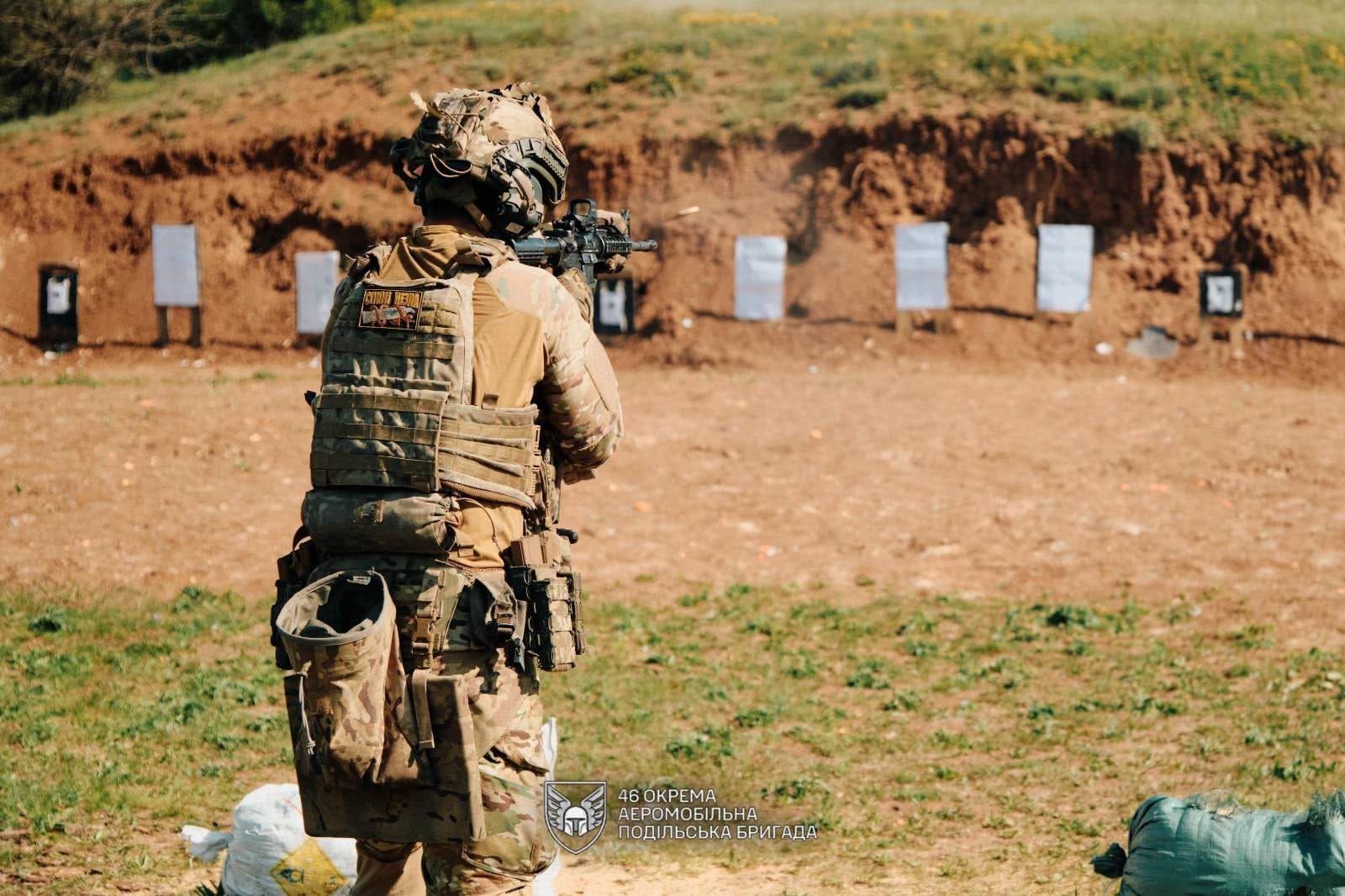
This year, however, the story appears slightly different.
Not enough to declare that Ukraine is suddenly winning the war. But different enough that even cautious analysts have begun speaking less about inevitable Russian momentum and more about a battlefield that is shifting beneath Moscow’s feet. Press reporting in recent days has described Ukraine as “turning the tables” through a combination of mass drone production, deep strikes inside Russia, and technological adaptation that has slowed Russian advances and imposed growing economic and psychological costs on the Kremlin.
Caution remains necessary when making analytic judgments about this conflict. Wars punish overconfidence, especially among those eager to discover turning points before they fully exist. Ukraine still faces manpower shortages, ammunition pressures, and continued Russian missile strikes against civilian infrastructure. Russia still possesses advantages in population, industrial depth, and tolerance for casualties. Yet trend lines matter in war, and the trend lines now appear less comfortable for the Kremlin than they did a year ago.
Even the atmospherics surrounding Vladimir Putin have changed. Reports of growing paranoia inside the Kremlin, heightened concerns about assassination threats, and extraordinary security precautions surrounding Russia’s Victory Day parade reflect more than mere wartime vigilance. They suggest a leadership increasingly aware that the war is no longer safely contained at the periphery of Russian life. Ukraine’s expanding drone campaign has forced Russian authorities to disperse resources, harden infrastructure, and even authorize banks and state institutions to organize their own defensive measures against attacks.
Contrast that with the United States and Iran.
Donald Trump continues searching for a ceasefire arrangement that would allow him to declare victory and vindication. The problem is that Iran did not produce the clean political deliverable he expected. The future of Iran’s nuclear program remains unresolved. A radical leadership is firmly in control in Tehran. Regional instability persists. Oil markets continue reacting nervously to every rumor surrounding the Strait of Hormuz. The administration now finds itself attempting to frame ambiguity itself as victory.
That may explain why reports continue circulating about the administration’s interest in Cuba as a possible next pressure point. Secretary of State Marco Rubio describes Cuba not simply as a chronic adversary but as an active “national security threat” tied to migration, Chinese influence, and regional instability.
The administration already possesses the leverage needed to force political transformation in Havana through sustained economic pressure and the U.S.-induced energy crisis gripping Cuba. But that would require patience and a willingness to let pressure accumulate over time—qualities anathema to this president.
Whether the current signaling will evolve into something more operational remains unclear, but the atmosphere surrounding it carries the familiar scent of Trump’s confrontations with weaker adversaries he believes can be dominated quickly, publicly, and with little sustained cost to himself.
There is a strange irony developing here. The war against Iran has refused to cooperate with Trump’s script. Now the administration appears to be searching for a follow-on act capable of overwhelming the news cycle, burying the fallout from Iran, and restoring the image of decisive strength Trump believed the strikes on Iran would produce.
Perhaps, somewhere in the cinematic corners of the administration, there are fantasies of an “excursion” resembling the January capture of former Venezuelan leader Nicolás Maduro: a dramatic raid, a humiliated regime, triumphant imagery, and another burst of cable-news nationalism. Maybe they convince themselves that a brittle Cuban system would fold under pressure and deliver Trump the symbolic victory he continues to chase.
But even if such an operation succeeded tactically, it is difficult to see how it would fundamentally alter America’s strategic position. Any confrontation would carry escalation risks, migration shocks, and uncertain political outcomes. It also would project political desperation more than geopolitical strength.
And yet Trump appears unable to recognize the far more politically valuable opportunity already sitting directly in front of him: Ukraine.
That is what makes the moment so striking. Trump would not need to fully embrace the Biden administration’s approach. He would not need massive troop deployments or a dramatic escalation. Ukraine’s battlefield adaptations are already underway. European financing is increasingly sustaining Kyiv’s war effort. Ukrainian drone warfare is imposing costs deep inside Russia. Even modest American support, such as spare parts and maintenance assistance, could help sustain momentum while allowing Trump to claim that progress occurred under his leadership.
If Ukraine continued stabilizing the front or even modestly reversing Russian momentum, Trump could easily portray himself as the leader who finally forced Europe to shoulder more responsibility while simultaneously helping pressure Putin into negotiations. He could associate himself with visible strategic gains rather than ambiguous bombing campaigns.
But the conflict carries too many fingerprints Trump dislikes. NATO. Biden. Zelensky. Institutional.
To fully embrace Ukrainian resilience now would require acknowledging that alliances, industrial coordination, sanctions, and long-term support have weakened Russia over time. Trump has always preferred victories that appear personal and theatrical. Ukraine offers something narrower and less emotionally satisfying: coalition success.
For a president obsessed with winning, Ukraine may represent the easiest and potentially enduring political and geopolitical victory available to him.
Which may be precisely why he cannot see it.
Brian O’Neill, a retired senior executive from the CIA and National Counterterrorism Center, is an instructor on strategic intelligence at Georgia Tech. His Safehouse Briefing Substack looks at what’s ahead in global security, geopolitics, and national strategy.

"Secretary of State Marco Rubio describes Cuba not simply as a chronic adversary but as an active “national security threat” tied to migration, Chinese influence, and regional instability."
Marco Rubio, like me, must also describe Cuba as the home of his relatives--actual people who are actually suffering not at the hands of their own government, but ours. A fuel embargo is slowly starving people who have nothing to do with China or anything but survival. Most Americans know only the sad one-dimensional accounts provided by the news--Cuba is a target. Cuba is a prize. No: Cuba is people. My people. Our neighbors. Pawns, of course, in the quest to assuage Trump's ego.
Please, Contrarians, remember that there are millions of people just like yourselves who only want to live their lives in some measure of comfort and dignity. At this point, that is the most that they can hope for.
I would like coverage of Ukraine to be a stand alone situation. I would like coverage of European nations provisioning Ukraine and strengthening NATO defenses against Russian encroachment, such as recently occurred against Romania and Baltic. Trump washed his hands off Ukraine and should not profit at all from anything that happens there.