


As The Contrarian celebrates its first anniversary, we’re looking at the year ahead. Here are the cultural stories I’ll be following in 2026. Join me!
How will Hollywood instability affect the stories that get told?
Undoubtedly one of the biggest cultural stories of the last year is the ongoing crisis in entertainment and media, a sector that lost more than 17,000 jobs in 2025. The massive bloodletting came amid a seemingly endless wave of consolidations: David Ellison’s Skydance gobbled up Paramount; Netflix closed a deal to acquire Warner Bros., a move that could further imperil the theatrical movie business, but is at least preferable to the alternative: an acquisition by Paramount. Meanwhile, as evidenced by Jimmy Kimmel’s near-cancellation, the Trump loyalists at the FCC are more than happy to use their regulatory power to punish companies they don’t like.
All of this has created a pervasive sense of fear and timidity across Hollywood, as evidenced by the jarring lack of politics on stage at awards shows, like the Golden Globes, that were once reliable platforms for anti-Trump sentiment. This intense risk-aversion also affects the people who get hired to work on movies and TV shows, and the kind of stories that get told.
Over the last year, entertainment companies fearful of Trump’s wrath have slashed diversity initiatives, a move that threatens representation in an industry that was already lagging far behind the country as a whole. Trump-friendly corporations like Paramount are leaning into “testosterone-laden” projects, like signing a deal for UFC and a big-budget motocross movie starring Timothée Chalamet.
How will artists process…all of this in 2026?
Despite this uncertainty, the last 12 months have also brought daring films, shows, books, and plays that attempt to grapple with the precarious moment in which we are living, often in surprising ways.
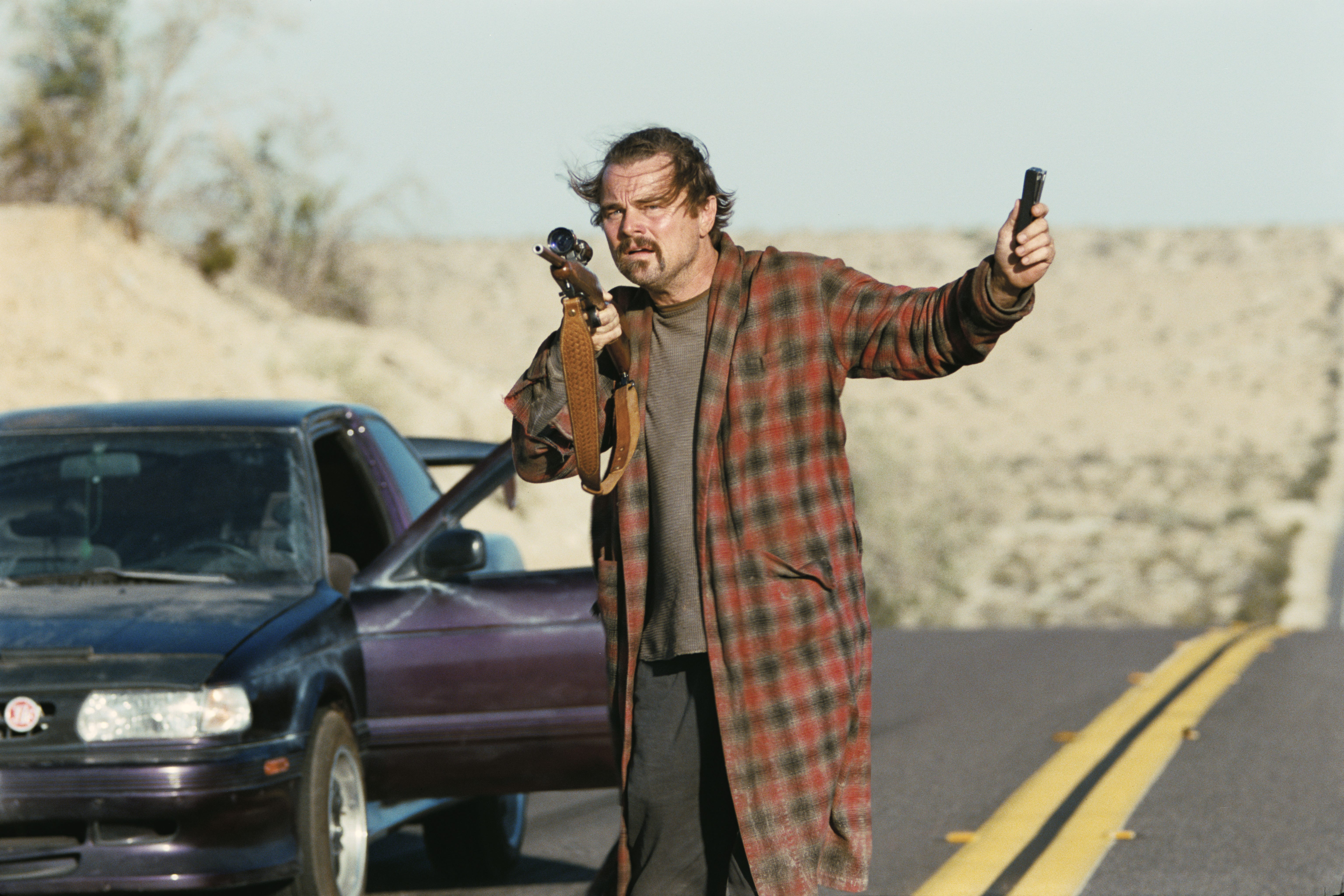
There are obvious examples, like Oscar frontrunner One Battle After Another, Paul Thomas Anderson’s trenchant, wildly entertaining thriller about racism and political radicalism, which opens with a raid on an immigration detention center.
Or Ken Burns’ The American Revolution, which examines the country’s bloody origins in ways that shed light on present-day political unrest, while other documentaries, like The Perfect Neighbor and Thoughts & Prayers, offer powerful new perspectives on American violence.
Even projects that weren’t explicitly Trying to Say Something still did just that.
On TV, The Pitt, a seemingly old-fashioned medical drama, delivers a timely depiction of mass shootings, vaccine-hesitant parents, and the ambient rage too often directed at healthcare workers still traumatized by COVID. And amid a number of aviation disasters and near-misses, Nathan Fielder’s wacked-out comedy The Rehearsal proposes a radical solution for airline safety.
If I Had Legs I’d Kick You, the pitch-black comedy starring Rose Byrne as an overwhelmed mom, captures the anger and despair of millions of women just trying not to lose their shit on a daily basis. On Broadway, a new interpretation of The Picture of Dorian Gray turns Oscar Wilde’s 1890 novel into a 21st-century horror story about our digital lives.
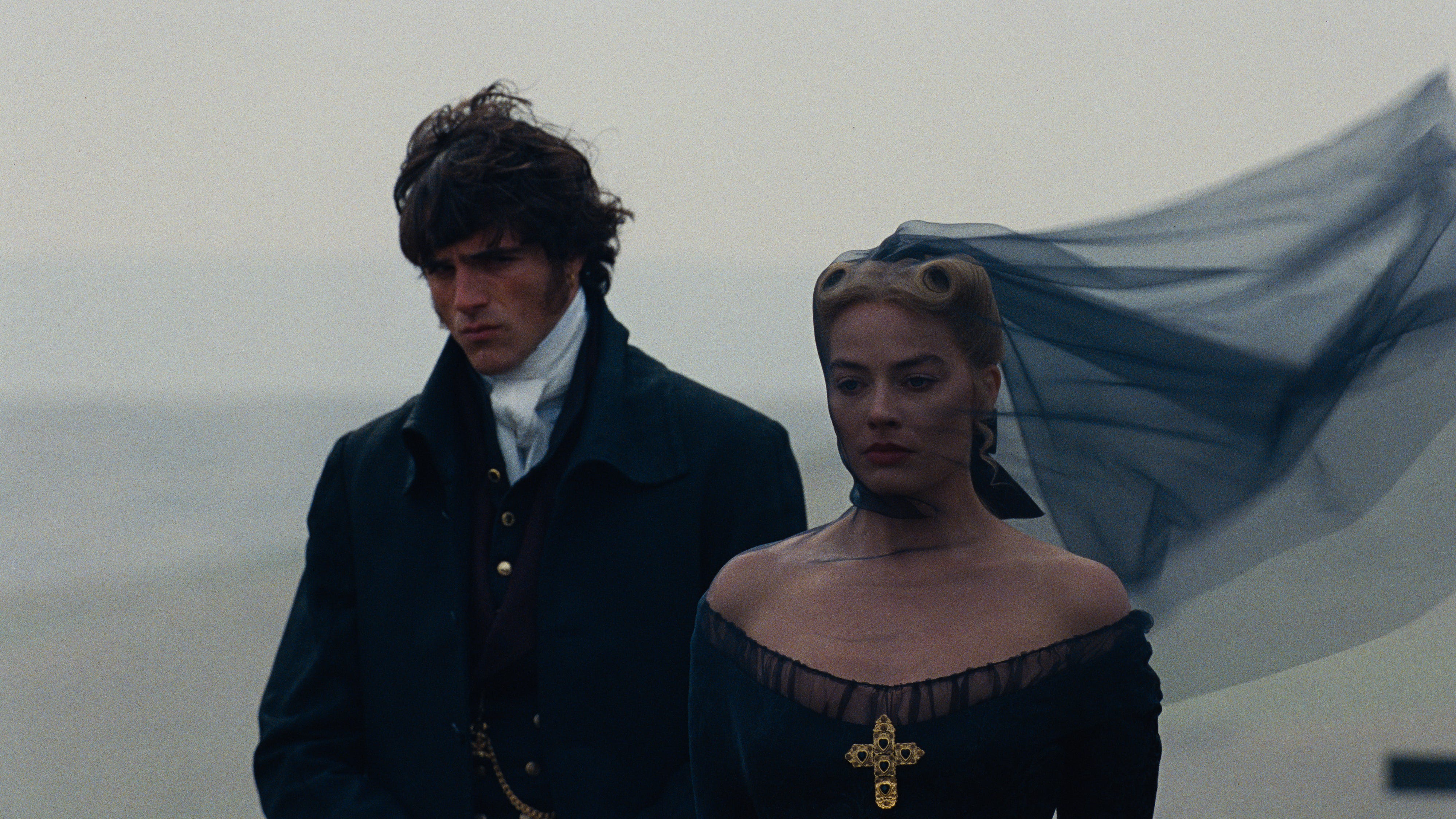
All of which is to say that in 2025, storytellers found compelling ways to confront the here-and-now. Looking ahead at 2026, it’s hard to know which projects will capture the uneasy zeitgeist. But there are some obvious trends worth unpacking: look for numerous updates on literary classics, including film and TV adaptations of Pride and Prejudice, Sense and Sensibility, Wuthering Heights, Little House on the Prairie, East of Eden, and The Age of Innocence. Is this embrace of canonical stories evidence of a culturally conservative bent in Hollywood? Or will these storytellers find new meaning in these familiar tales? Who knows. If nothing else, 2026 will be a year to remember for English majors.
Will Trump continue to wage war on the cultural “elites” — and who will stand up to him?
Since Donald Trump returned to office exactly 358 days ago — but who’s counting? — he has waged a war of vengeance on the media and cultural institutions that either politely ignored or fully rejected him the first time around.
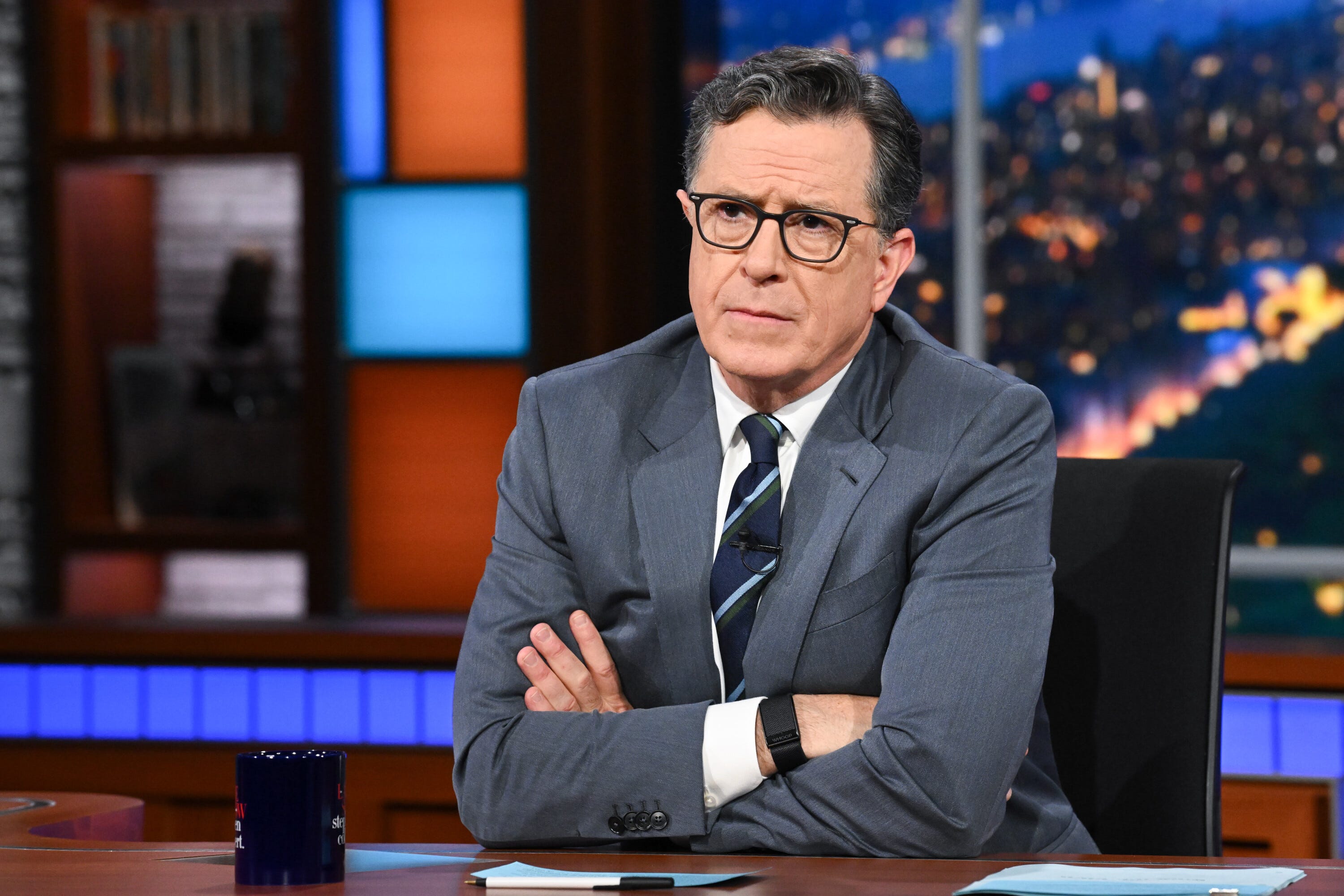
Trump had barely been sworn in when he staged a cultural coup at the Kennedy Center, replacing the board with loyalists like Susie Wiles. In December, he (illegally) slapped his name on the facade. He pressured CBS into settling a frivolous $16 million lawsuit and maybe cancelling Stephen Colbert, and tried — unsuccessfully — to get Jimmy Kimmel yanked from the airwaves too. He vowed to strip Rosie O’Donnell of her citizenship, picked a fight with Sabrina Carpenter, and bullied Paramount into greenlighting Rush Hour 4.
Sadly, in many cases Trump’s attacks worked. As I wrote about last month, 2025 was in many ways a year of capitulation, when tech and media moguls openly cozied up to the wannabe authoritarian in the White House, countless celebrities let us down by cashing in, and powerful cultural and educational institutions buckled under pressure from the administration.
But there were also artists and cultural figures who showed some spine last year, from Bad Bunny and the creators of South Park to Billie Eilish and all the performers who canceled on the Kennedy Center. With Trump looking weaker and more desperate by the day, we should expect to see more people speaking up. Who will emerge as leading Resistance Celebs in 2026? Perhaps Ken Jennings? Dave Matthews? Julia Louis-Dreyfus? Hopefully all of them — and more.
Where will we find joy in 2026?
I realize this question makes me sound like an aspiring self-help guru with a book to sell. But as much as I believe that it’s essential for art to confront the ills that plague society, I also believe that we all need distractions to stay sane — and to build community.
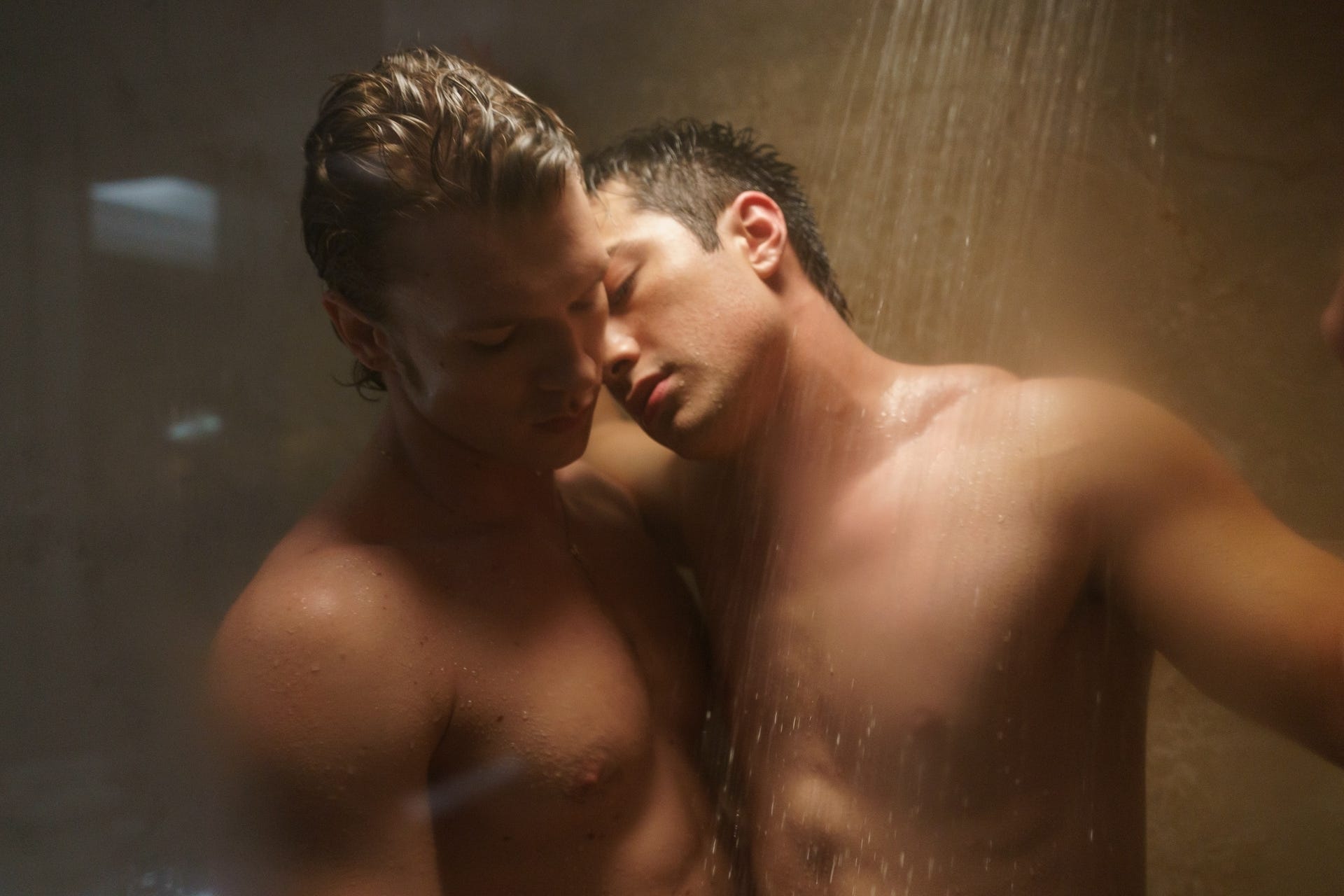
Over the last year, I found escape through the campy absurdity of Oh, Mary!, the uncanny spectacle of ABBA Voyage, the inspired Below Deck-Real Housewives of Salt Lake City crossover, and, most of all, the unexpected sweetness of Heated Rivalry.
Made for a small Canadian streaming service called Crave, the drama about two professional hockey players whose illicit hookups blossom into a romance was picked up by HBO Max in November and proceeded to become a word-of-mouth cultural phenomenon, with viewership growing ten-fold in a month.
Leads Connor Storie and Hudson Williams, who were completely unknown a few months ago, are now getting mobbed by fans (including celebrities) wherever they go.
There are reasons for the show’s success, starting with the obvious: sex, of which there is plenty in Heated Rivalry. But my pet theory is that people are so desperate for a little light right now, and this show (while undeniably steamy) is also a tender, hopeful story about two professionally tough young men figuring out how to be vulnerable with each other. It’s essentially a Jane Austen-esque romance about opposites who misjudge each other: Ilya Rozanov (Storie) is a cocky Russian, while Shane Hollander (Williams) is a quiet, disciplined Canadian.
While the plot basically hinges on the existence of homophobia — it’s obvious that Ilya and Shane can’t be open about their sexuality because it would mean their professional ruin — Heated Rivalry is by no means a dour, gloomy “issues” show. It’s a well-made, beautifully acted series that brought a lot of people, myself included, a tremendous amount of joy. If politics do indeed run downstream of culture, the show’s astonishing mainstream success is an encouraging sign of what’s to come in 2026 — and beyond.
Looking at the year ahead in pop culture, there are plenty of things I am excited and/or morbidly curious about, starting with Emerald Fennell’s upcoming adaptation of Wuthering Heights, which will either be brilliant or a total trainwreck, and John Wilson’s bonkers documentary The History of Concrete. But part of what made Heated Rivalry so enjoyable was the way it came out of nowhere. So I expect that the thing that keeps me going in 2026 will be something that’s not yet on my radar.
Will the reality TV-to-MAGA pipeline continue to flow?
One of the starkest cultural trends of the last year was the growing connection between reality TV and MAGA politics.
It all starts with Trump himself, who tricked millions into believing he was a brilliant businessman — despite multiple bankruptcies — through The Apprentice. But there are numerous other reality TV personalities across his cabinet and throughout the conservative media and political universe.
Transportation secretary Sean Duffy first gained prominence by annoying his roommates on The Real World Boston nearly 30 years ago. Siggy Flicker, known for her brief but ignominious stint on The Real Housewives of New Jersey, was appointed to the board of the United States Holocaust Memorial Museum. Mark Burnett, the mega-producer who cast Trump on The Apprentice, is now a “special envoy” to the United Kingdom. Before he was spouting BS on his disturbingly popular podcast, Joe Rogan was unveiling platters of buffalo testicles as the host of the disturbingly popular Fear Factor. And Mehmet Oz, the surgeon who shilled dubious remedies on his daytime talk show, is now running the Centers for Medicare and Medicaid Services.
In 2026, we are likely to see this unfortunate trend grow.
Savannah Chrisley, the reality TV star who managed to get her parents a pardon from Trump by painting them as victims of a politically motivated prosecution, and who seemingly never appears in public without head-to-toe MAGA paraphernalia, has repeatedly teased a run for office. Spencer Pratt, the sneering antagonist of the seminal MTV reality series The Hills, announced last week that he is running for mayor of Los Angeles. Though Pratt insists he is neither a Democrat nor a Republican, his campaign has already been embraced by MAGA figures like Richard Grenell. He may seem like a long shot, especially in a city like Los Angeles, but a decade ago, so did Donald Trump.
Finally, what insanely annoying meme will become the new 6-7?
If you have a child under sixteen in your life, you know what I’m talking about. And you, like me, are terrified of the possibilities that lie in wait, particularly if it’s another round of Italian brainrot.
Stay strong out there, people.
Meredith Blake is the culture columnist for The Contrarian
Happy New Year Meredith! Looking forward to your fantastic reviews!
Please tell me that cross on Catherine Earnshaw's bosum doesn't mean she is a Trumper......