

By Roberto Valadéz
Since the dissolution of the U.S. Agency for International Development (USAID) last year, the landscape of global health has been redefined, not by a complete withdrawal, but by a fundamental shift in the nature of partnership. We have moved away from a model rooted in a humanitarian imperative to one that values transactional exchange.
The Trump Administration’s “America First Global Health Strategy” replaces decades of NGO-led programs with five-year bilateral Memoranda of Understanding (MOUs). As of March 2026, the State Department has signed 24 of these agreements across Africa and Latin America. While the administration frames these as a path to self-reliance for co-signing nations, emerging data suggests a more volatile reality: a global health system that is becoming increasingly fragmented and reactionary.
Illogical Implementation
Under the twenty-four current MOUs, the U.S. remains committed to providing 100% of the costs for HIV, TB, and malaria medications through 2026, with a planned decline thereafter as host countries assume co-investment responsibilities.
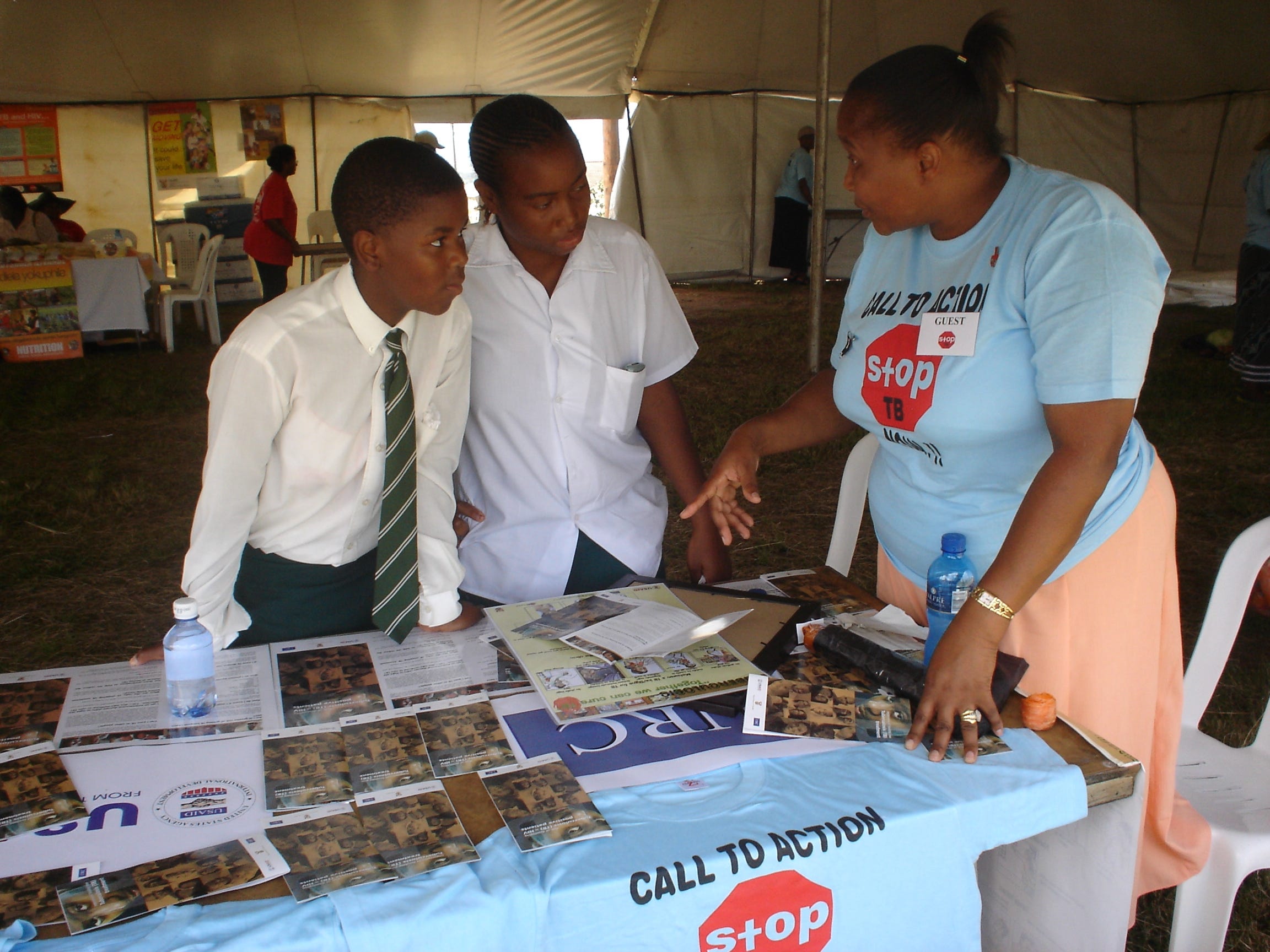
The flaw in this modus operandi is an absence of funding for critical human infrastructure. With the closure of USAID, the U.S. defunded the technical experts and community workers who previously managed logistics and patient follow-ups; now, it has committed to providing the tools without the workers. In countries like South Africa (the nation with the second highest rate of HIV), where thousands of healthcare providers were terminated following the 2025 funding suspension, the workforce necessary to deliver these commodities is fraying. We are seeing a shift from proactive prevention — such as outreach to vulnerable youth — to a narrow focus on end-stage treatment.
Global Gag Rule and Siloing of Care
Another new barrier to care is the reinstatement and unprecedented expansion of the Mexico City Policy. Historically known as the “Global Gag Rule,” this policy prohibits foreign NGOs from receiving any U.S. global health assistance if they provide, counsel, or even refer patients for abortion services — even if they use alternative, non-U.S. funding to do so. In 2026, this restriction has evolved into a broader application across all recipients of foreign aid, moving beyond the health sector into humanitarian assistance and economic development programs.
This policy is a catastrophic loss for integrated health services. For decades, the gold standard of global health was the “one-stop shop”: a clinic where a mother could receive an HIV test, a malaria net, and a childhood vaccination in a single visit. By forcing NGOs to choose between U.S. funding and providing comprehensive reproductive care, the administration has effectively dismantled these integrated hubs, forcing patients to navigate multiple, disconnected providers.
For women, this reality can also lead to a range of challenging outcomes including reductions in contraception use, increased pregnancy, and an increase in abortion rates.
For queer populations and gender minorities, the policy often results in the closure of the few “safe space” clinics that provided sensitive HIV prevention and stigma-free primary care. Because these populations are often marginalized within their own national health systems, the loss of U.S.-funded NGO partners leaves them without a viable alternative for healthcare.
Surveillance Deficits
The administration’s strategy emphasizes “Health Security”: protecting American borders by stopping outbreaks at their source. The MOUs require partner nations to detect and report outbreaks to the U.S. within seven days. Yet a consequence of the USAID dismantling is the collapse of the very data systems needed to fulfill these requirements.
As national health data systems lose U.S. technical support, the ability to forecast and monitor disease trends is in jeopardy. Though the digital architecture remains, the labor required to aggregate and verify clinical-level data has vanished. When we defund the monitoring capacity of a partner nation, we are not saving money; we are turning off the early-warning signs for the next pandemic. The result is a patchwork mapping of global health, where our visibility is limited to the specific corridors where bilateral deals are active, and even then, they are vulnerable to critical blind spots.
Even more troubling, the health security of a partner nation can be compromised by a surveillance collapse in a neighboring state that lacks a U.S. deal. Because pathogens do not respect borders, an undetected outbreak in a “non-deal” nation can easily bypass the targeted investments of its neighbors, rendering localized health security moot and placing the entire global community at risk.
The Rise of “Health for Resources” Diplomacy
The Trump Administration is explicitly linking health aid to economic and security interests like no previous administration has ever done. Recent negotiations in the Democratic Republic of Congo (DRC) and Guinea have seen health MOUs signed alongside deals for critical minerals and mining reforms.
This marks a departure from health as a humanitarian endeavor and toward health as a lever of geopolitical competition, particularly with China. Even as this approach ties U.S. aid to national interests, it risks creating new security threats by leaving behind “forgotten” countries — those without strategic minerals or geographic priority — where diseases can incubate and spread unchecked by the modern surveillance web.
States as Global Actors
With the formal U.S. withdrawal from the World Health Organization (WHO) complete as of January 2026, we are witnessing an unprecedented legal experiment. Large U.S. states are now attempting to maintain their own global health “foreign policies.”
California, Illinois, and New York have bypassed federal channels to join the Global Outbreak Alert and Response Network (GOARN) as independent partners. Because the federal government has ceased aggregating state-level data for the WHO, the international community’s view of U.S. health trends is now dependent on which individual states choose to share their data.
What to Watch
As the America First Health Strategy redefines global health investment, the security of every country hinges on whether partner nations can truly co-invest in an era of rising debt and economic instability.
The America First approach promises greater accountability and sustainability among partner nations. But the destruction of the underlying health scaffolding — the data, the workforce, and ultimately, the trust — promises a world that is self-reliant in name, while profoundly vulnerable in practice. The true metric of the strategy’s success should not be weighed against how much money we “save”, but measured in how many lives we protect.
Roberto Valadéz is the former director of communications and special initiatives for the United Nations Ambassador for Global Health, where he led high-stakes global campaigns, including the office’s work on COVID-19. As the founder of True You, he now equips underestimated C-suite leaders with the tools to level up their leadership and amplify their impact by harnessing their authenticity.