


No surprise, the Food and Drug Administration now plans to hold off on releasing its so-called safety review of mifepristone, the drug most often used in medication abortions, until March 2027, when the midterms will be safely in the rearview mirror.
The Contrarian has been following the study ever since Health Secretary Robert F. Kennedy Jr. commissioned it in 2025. All along, the assignment has smacked of a pressure campaign from the anti-abortion base, furious that abortion rates haven’t dropped since the Dobbs v Jackson Women’s Health Organization decision in 2022.
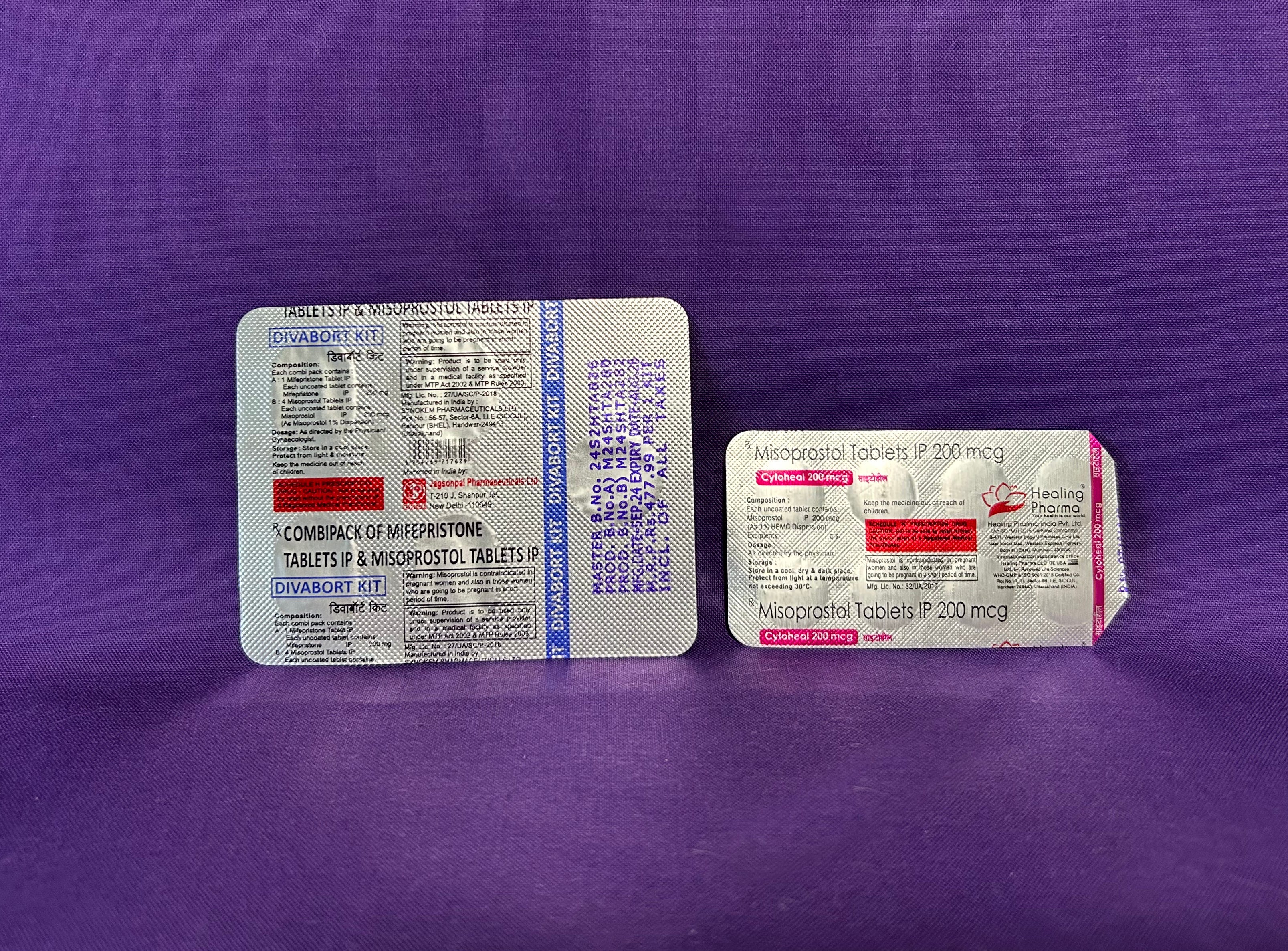
According to a court-ordered update filed last week by the Justice Department, the FDA study intends to compare the safety and side effects of mifepristone versus surgical abortions in 100,000 women. This is the first public accounting of the plan, which has largely been kept under wraps.
Why has the FDA been so hush-hush? It’s certainly no secret the drug has a long-documented and well-established safety and efficacy record since its 2000 approval. It is pretty clear the study is more about providing a gesture to the angry Trump base and engaging in a grand stall tactic. At the end of the day, if the FDA reports anything to the contrary of its prior findings, it would be serving up a justification to curb access, which would have a nationwide impact — even in states where abortion is still legal. And though that may be a fever dream for conservatives, Donald Trump and his acolytes know full well it would be wildly unpopular with an already agitated electorate.
Translation: They’re laying low until after the midterms.
There are a few other sticky aspects to note about the timing. First and foremost, the FDA is currently without leadership. Trump’s pick to be the next commissioner, Dr. Heidi Overton, staunchly opposes abortion rights, including medication abortion. She’s made no bones about what her priority will be if given full reign. The Senate won’t vote on her confirmation until after the midterms.
And then there is the administration’s role in defending a Louisiana lawsuit challenging the telehealth provision of mifepristone. The case has been a roller coaster: After a federal appeals court granted the state’s request to reinstate a nationwide requirement that mifepristone be dispensed only in person, the Supreme Court blocked that decision while the litigation plays out. Meanwhile, the Justice Department has been tepid in its defense, attempting to call as little attention as possible to the massive ramifications.
In the court papers filed last week in response to the court’s demand for an update on the safety review — thank you again to the judiciary for demanding daylight — the Justice Department indicated it may indeed re-evaluate telehealth rules based on the FDA’s new data.
Don’t let the administration’s lack of bravado here be a distraction from its real endgame. None of us can afford to take our eyes off the FDA, including and especially when we head to the ballot box. The administration’s goal of enacting what would amount to a nationwide abortion ban is a stealth campaign that will catch up to us after we’ve voted. That’s a blow to democracy we can’t afford.
Jennifer Weiss-Wolf is executive director of the Birnbaum Women’s Leadership Center at NYU School of Law. She also leads strategy and partnerships at Ms. Magazine.

This is why we must vote. The Senate is in play even for states that are not likely to flip. Anything can happen at any time before elections. Look what happened in Alabama in the 2017 Senate race.
Every time I hear a politician running on reducing regulations I cringe. I finally investigated what this meant when Trump said it.
Trump’s Deregulation: Business Savings and Public Protections Lost. A research inventory covering both Trump terms, through October 14, 2026
Deregulation can reduce business expenses, expand revenue opportunities, or reduce exposure to enforcement. But the requirements removed may also protect people against pollution, unsafe products, financial abuse, crime, or corruption.
This list identifies both sides: who benefits directly and what public protection is affected.
It includes laws, agency rules, enforcement decisions, staffing changes, and access to public resources. It is a selected inventory, not an exhaustive count.
Evidence distinction: The government actions are documented. Public harms listed are potential risks unless measured evidence is stated. Business savings do not automatically become higher profits or lower consumer prices.
1. Oil, Gas, Coal, and Public Lands
Expanded federal fossil-fuel leasing — 2025
For more click here:https://2tuttlechris.substack.com/p/trump-ran-on-reducing-regulations