


Donald Trump has apparently not figured out that Iran holds all the cards. Still fixated on the notion that the “winner” of the war is the side that blows up the most stuff, he remains convinced he can dictate terms to Iran. But the Iranians hold the Strait of Hormuz and have remained convinced that Trump has no stomach for more military action. In any event, they are confident they can sustain any further U.S. attacks. Naturally, then, Iran is sticking to demands to keep control of the Strait, obtain sanctions relief, and even extract reparations from the U.S.
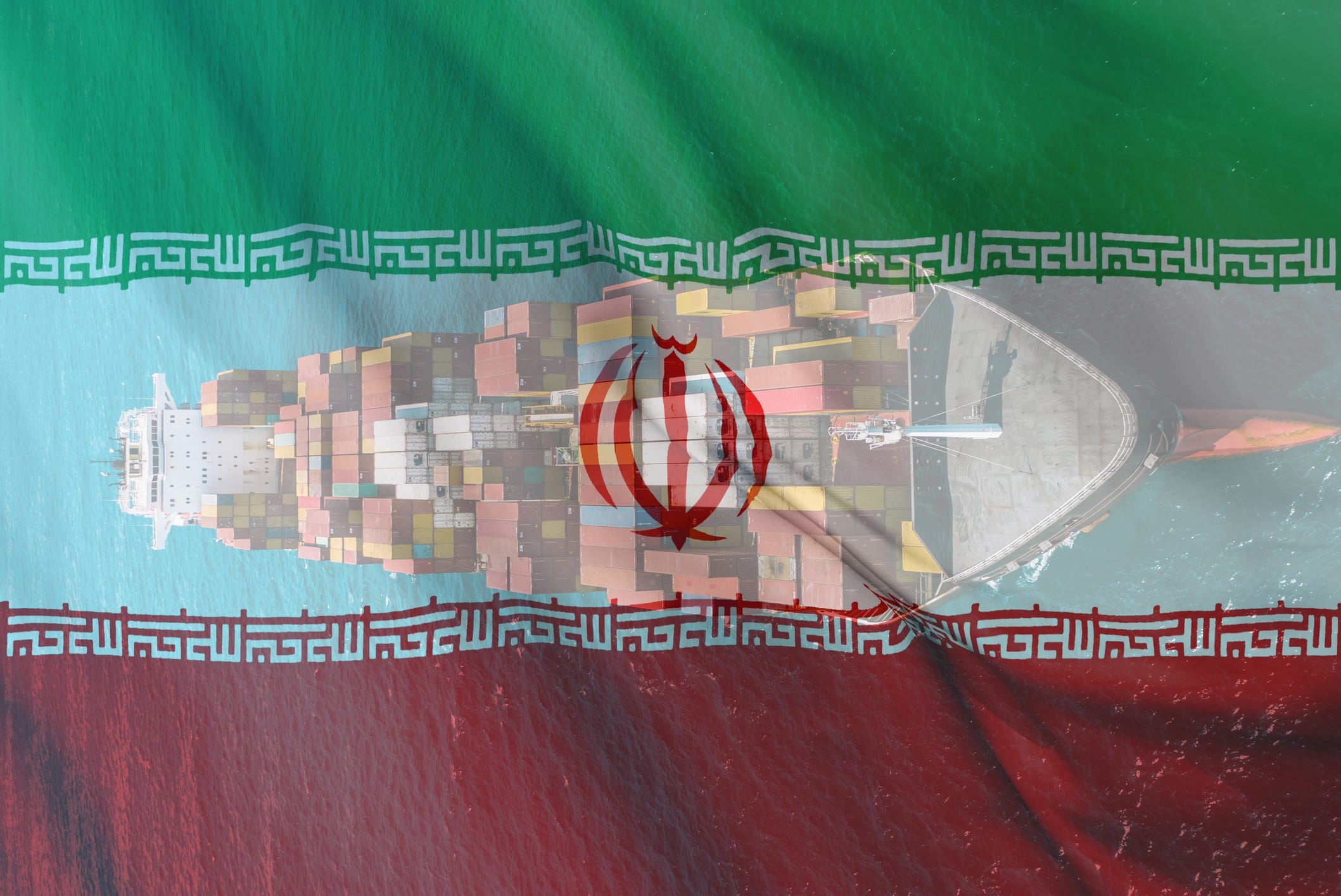
Trump insists Iran will “fold,” but there is zero evidence Iran is prepared to do so. It certainly has no incentive to do so as long as Trump, as he did once again on Monday, keeps desperately hyping the prospect of a deal. As he rambled, “You know, the mind changes ... these people, you make a deal, then the next day they send you a document that takes five days to get there, when it should have been there in 20 minutes.” He may be convinced his pronouncements box in Tehran; in reality, they’ve only convinced the Iranians that he is angst-ridden and frantic to make a deal. Trump rails at Iran for refusing to capitulate, bellowing that the ceasefire is on “life support,” but in reality, it is Trump’s pretense of victory that is in critical care.
Iran seems happy to present Trump with a binary choice: Either Trump folds, or he resumes hostilities, which have already proven incapable of dislodging the regime. Anyone who understands Iran’s recent history and its mindset after surviving a war against the U.S. should not be surprised.
As Hagaii Carmon wrote for the Times of Israel:
Regimes often survive conditions that outside analysts confidently describe as impossible. Populations absorb astonishing hardship for cultural, ideological, nationalistic, and survival reasons. Especially in authoritarian systems, economic misery alone does not automatically produce revolution.
While Iran cannot “defeat” the U.S. on the battlefield, it possesses “asymmetric leverage” — or rather, Trump gave Iran asymmetric leverage by starting a war without securing the Strait of Hormuz. “It can prolong instability, raise global energy prices, and create enough uncertainty to pressure Western governments already struggling with inflation and domestic political divisions,” Carmon explained. It “merely needs to convince Washington that full confrontation costs more than compromise.” So far, that strategy is paying off.
Trump’s trip to China may only deepen his predicament. The Independent reports that he arrives without having achieved any of his Iran war objectives, “humiliated by a weaker but dogged regime that survives in Tehran.”
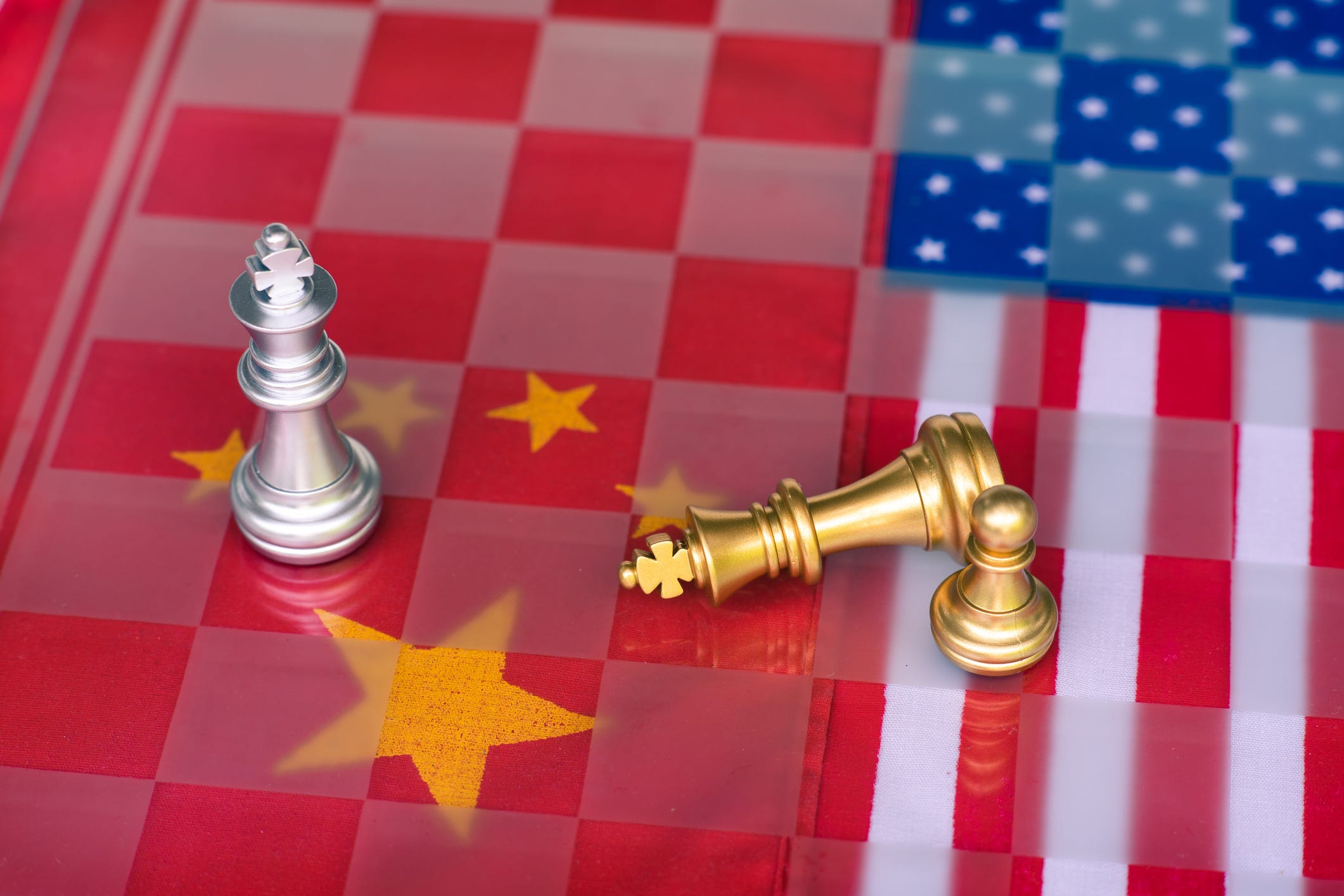
Ranking member of the Senate Armed Services Committee, Senator Jack Reed (D-RI) recently observed: “We’re seeing at home significant gas prices, significant increases in grocery prices and in all sorts of prices for the American home.” He added, “[T]he American people are significantly concerned about this conflict with Iran. So that’s not a strong position to be in when you’re talking to an economic and a geopolitical rival.”
Reed is not the only one cringing at the prospect of the Chinese taking advantage of Trump. U.S. allies are anxious that Trump may get his pocket picked, as the New York Times reports:
In Asia, which has been hit hardest and fastest by oil shortages caused by the war and China’s tight control of oil-product exports, the mood is particularly grim. …
Many believe the summit carries more potential for harm than help. And Mr. Trump’s gut-driven approach to complex issues is the main source of anxiety.
For months, officials in Asia have worried that the president might be too eager to make a deal with Mr. Xi, ending weapons sales to Taiwan or agreeing to softened policy language that could make it easier for China to undermine the democratic island.
Trump’s visit comes after he voluntarily removed American forces from the region, and at a time when China has ramped up its presence around Taiwan and is expected to lean on Trump to curtail arms sales to Taiwan.
As the U.S. repeatedly demonstrates its fecklessness (e.g., failing to defeat Iran, ceding clean energy dominance to Beijing, tangling itself up in a multi-front tariff war struck down in court), China has shown it is prepared to engage badger U.S. companies with intrusive regulations, use its rare minerals as leverage, and even more heavily subsidize its own industries. Now, just like Iran, China feels no compulsion to make concessions to Trump.
One can easily imagine a downward spiral for the U.S. under a president who has frittered away America’s geopolitical advantages and who can be easily swayed by empty compliments and plenty of pomp. His weakness in Iran emboldens China, while China’s potential to dominate the summit will only increase Iran’s resolve.
“The whole world can see that just a few weeks of war with a second-rank power have reduced American weapons stocks to perilously low levels, with no quick remedy in sight,” Robert Kagan observed. “The questions this raises about America’s readiness for another major conflict may or may not prompt Xi Jinping to launch an attack on Taiwan, or Vladimir Putin to step up his aggression against Europe. But at the very least, America’s allies in East Asia and Europe must wonder about American staying power in the event of future conflicts.”
The China summit will offer one indication as to how badly Trump has stumbled, how worried our allies should be, and how far our enemies are willing to press their advantage.
Trump moved defensive weapons away from Taiwan, Japan, and South Korea, so they could be destroyed in his morally and strategically wrong war of choice against Iran. China is well aware of his fecklessness and incompetence. Look for the US to come out worse in any "negotiations" on this trip.
Does Trump really not know that he's being played?