


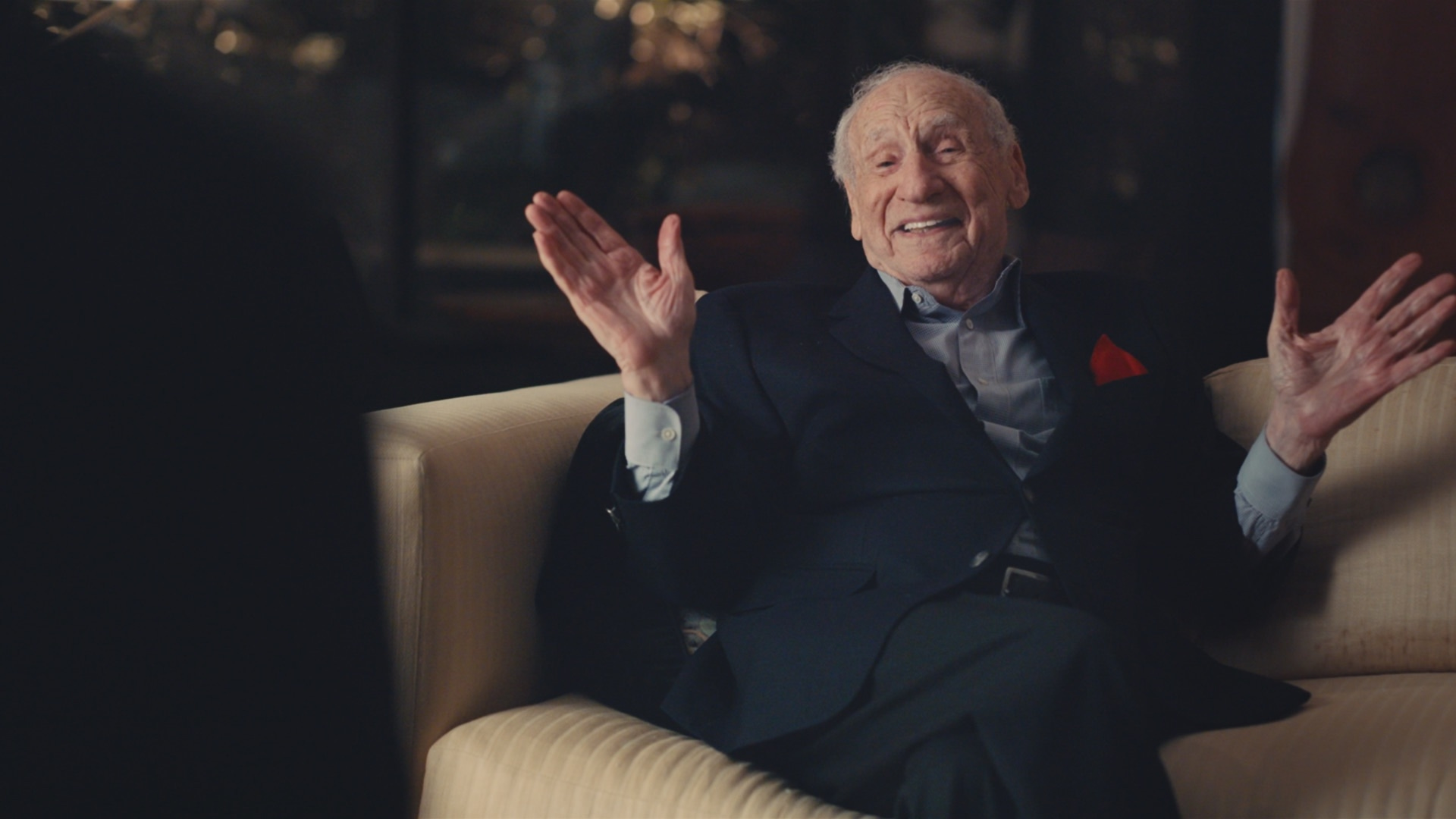
In 2001, Mel Brooks became the 8th person in showbiz history to achieve EGOT status, winning a haul of Tonys for his Broadway smash The Producers to stand beside the Emmys, Grammy, and Oscar he already had at home.
But long before he won that EGOT, Brooks was already lionized; widely regarded as a national treasure. The filmmaker and comedian behind classic spoofs like Young Frankenstein, Blazing Saddles, and Spaceballs, Brooks also gave hope to short, goofy-looking guys everywhere through his happy marriage to Anne Bancroft. A working-class kid from Brooklyn who rose to the top echelon of Hollywood via the Borscht Belt, Brooks brought an irreverent, distinctly Jewish sense of humor to the masses. He also influenced multiple generations of comedians. Without Brooks, it’s hard to imagine Seinfeld or South Park, among other seminal productions.
But as beloved as Brooks is today — and seemingly has been for the last half-century — he wasn’t always a critical darling or guaranteed hitmaker. The 99 Year Old Man, an illuminating documentary that premiered last week on HBO, follows Brooks’ tumultuous eighty-year showbiz journey. The two-part series makes it clear that Brooks changed American comedy by pushing the limits of what was acceptable, one Hitler joke at a time.
Directed by Judd Apatow and Michael Bonfiglio, The 99 Year Old Man paints a portrait of a legendary funnyman who has spent decades making people laugh — but, just as often, squirm. The biographical film includes in-depth interviews with Brooks, his friends, family, and the legions of artists he has inspired, including Sarah Silverman, Ben Stiller, Conan O’Brien, Dave Chappelle, David Lynch, and Rob Reiner. It’s a moving portrait of a multi-talented performer, writer, filmmaker, and musician who was able to realize the American dream.
As his son, Max Brooks, puts it in the documentary, “You’ve got this kid from an immigrant tribe who lost his father, grew up in poverty, fought in a world war, came home, and built one of the great pillars of American culture: comedy.”
A common refrain is how Brooks — f.k.a. Melvin Kaminsky — used outrageous, silly, and even scatological humor to confront some of the most toxic forces in human history.
“His boldness, his brashness, his willingness to just absolutely go for broke for every joke, set him apart,” said Bonfiglio, whose previous credits with Apatow include George Carlin’s American Dream.
Despite his reputation for fearlessness, Brooks was initially reluctant to participate in the documentary.
“There are a lot of parts of his life that he has not shared publicly, by choice,” Bonfiglio said. “Also, he’s almost 100 years old, and you have to pick and choose how you spend your time.”
Thanks in part to Apatow’s own reputation as a comedy auteur, Brooks eventually came on board. The filmmakers spent about 12 hours interviewing him over several days. Given that he’s currently approaching his 100th birthday, there was an urgency to their mission.
“There was no waiting,” Bonfiglio said. “And, as sadly played out during the making of the film, two of the people that we interviewed, David Lynch [and Rob Reiner], are no longer with us.” (Brooks hired Lynch, then a fledgling filmmaker, to direct The Elephant Man.)
Brooks’ story begins in Depression-era New York, where he was the youngest of four sons raised by a widow (his father died when Brooks was two years old). He got his first taste of the limelight as a teenager, working as a busboy/occasional performer at a Catskills resort. His showbiz dreams were sidelined when he enlisted in the Army and was sent to dismantle Nazi landmines in France at the tail end of the war — an experience that left him with trauma he later worked out in therapy.
After returning home, Brooks eventually landed a job on Sid Caesar’s trailblazing variety series Your Show of Shows in a writers’ room that also launched the careers of Norman Lear, Neil Simon, Larry Gelbart, and Carl Reiner. Brooks thrived in TV, but also felt the medium was too disposable.
He longed to break into the movie business, a goal he finally achieved in 1967 with The Producers, his directorial debut. The Hitler-mocking farce is now regarded as one of the greatest satires in cinematic history, though it initially received little support from studio executives (the premiere was in Pittsburgh) and was widely panned by critics at the time. (Pauline Kael called it “amateurishly crude.”) If not for Peter Sellers, who took out a full-page ad in Variety singing its praises, The Producers might have quickly vanished.
As Bonfiglio noted, The Producers was made just 22 years after the end of World War II — less time than has passed since 9/11. In 1967, “People were not making jokes about Hitler.”
His follow-up film, Blazing Saddles, co-written by the legendary Richard Pryor, was equally audacious. Beyond the epic fart jokes, it’s also very much a film about racial prejudice.
“There is nothing that is not the subject matter for comedy,” Brooks says in the documentary, “because comedy is a sensational and sometimes spectacular political weapon.”
Brooks became a superstar by “taking on really serious subjects that other people just were not doing in mainstream comedy at the time,” Bonfiglio said. And he subscribed to the theory that comedy was harder work than tragedy. “To make’ em cry all you gotta do is step on their foot — hard — and boy, they cry,” Brooks says at one point in the documentary. “But making them laugh is very hard because that’s the moment they will give themselves to you.”
Brooks was worshipped by other comedians, but his silly, slapstick style was never fully embraced by the intelligentsia, who “never really saw him as a genius,” says his son, Max, in The 99 Year Old Man.
A review of his 1981 film The History of the World, Part 1 which features an antic musical number about the Spanish Inquisition, accused Brooks of “indulging in kapo humor” that “would have received a standing ovation from an audience of stormtroopers.” (Conan O’Brien offers a different perspective: “If you fought the Germans in World War II, you’re allowed to do whatever you want.”)
In the age of Trump, Bonfiglio thinks there are relevant lessons to be gleaned from Brooks, who has always been willing to bring bigots, fascists, and racists down to size with merciless ridicule.
“These people are not all-powerful. They’re human beings. They’re terrible human beings, and the more we can remind ourselves and each other that they’re just people, we can bring them down,” he said. “It also reminds us, through laughter, that what we need to fight for are joy, happiness, and humanity, which these people are the enemies of.”
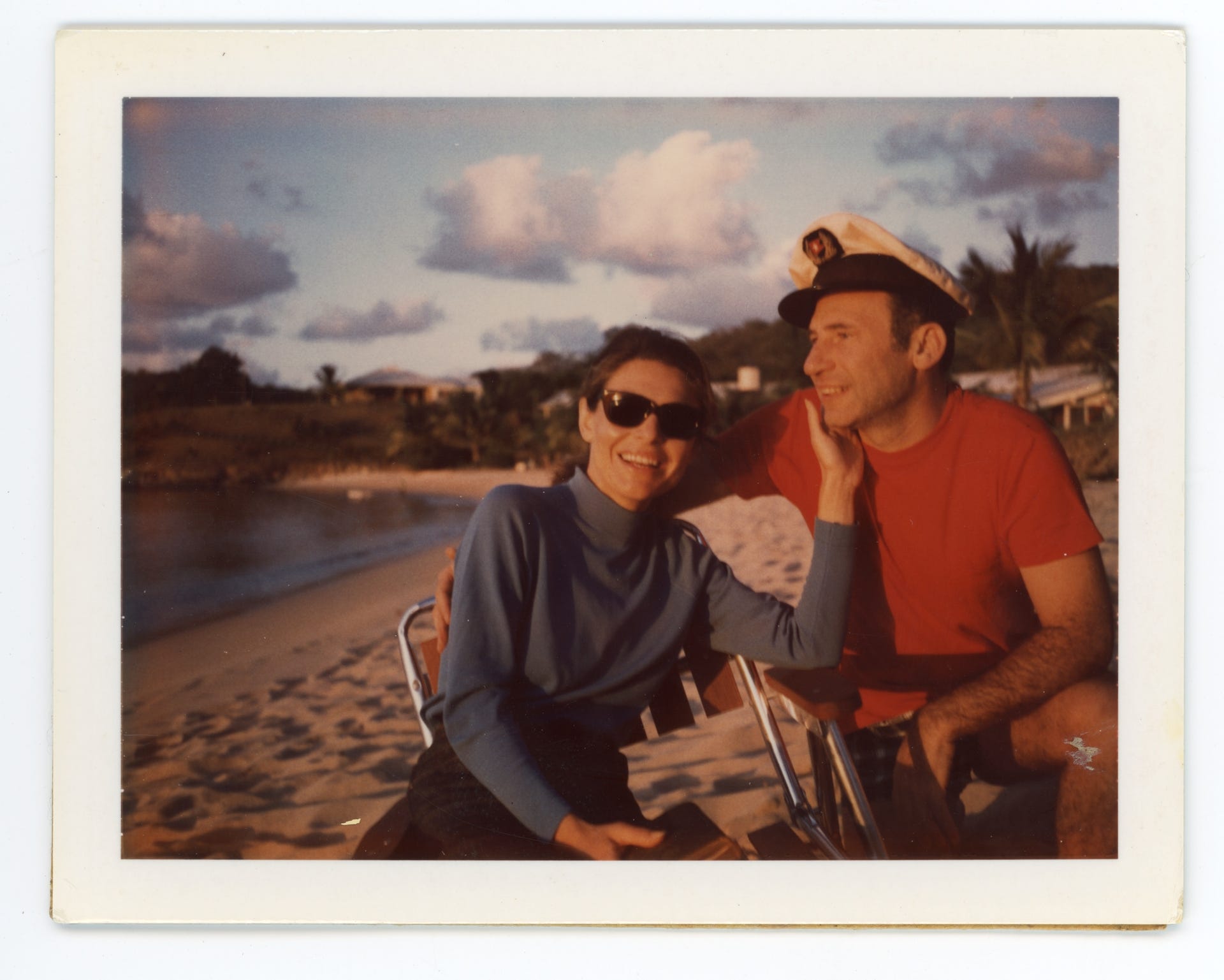
The 99 Year Old Man is inspiring, but also bittersweet. Brooks opens up about his 41-year marriage to Bancroft, who died in 2005, and encouraged him to take creative risks (like staging a Broadway version of The Producers). He tells Apatow he misses “Too many things” about her. “Things that nobody in the world would understand.”
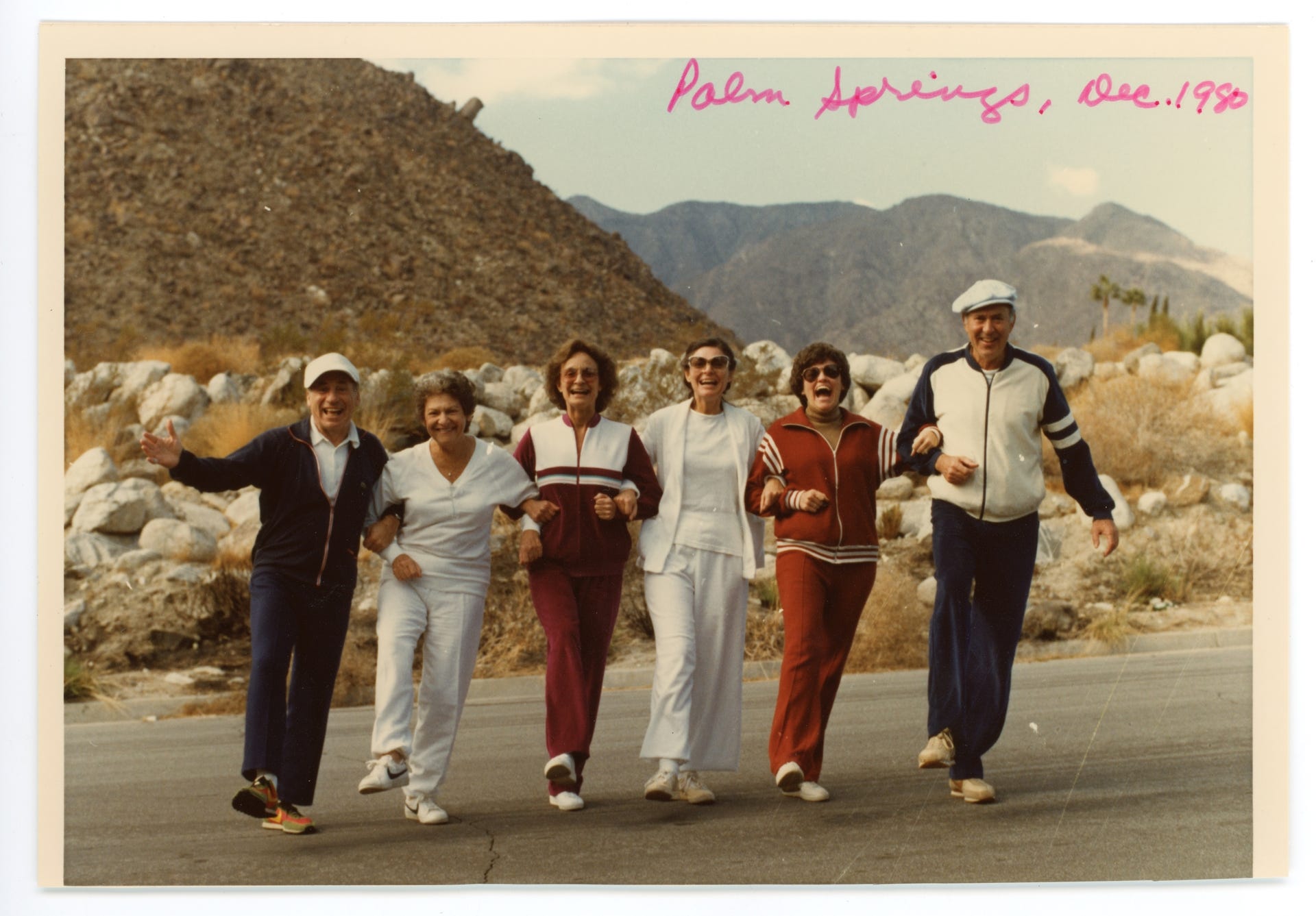
He also looks back on his long friendship and creative partnership with Carl Reiner. After their wives died, the nonagenarian widowers dined together nightly while watching Jeopardy. Brooks was there when Reiner died in 2020 and recalls urging the paramedics to keep attempting to resuscitate his friend.
“I just didn’t want him to go. I wouldn’t accept it. I loved him so much,” Brooks says.
Making it all almost unbearably poignant is the fact that Carl’s son, the late Rob Reiner, appears throughout the documentary, at one point recalling how Brooks moved in with his family after Carl’s death.
The film had been completed when Reiner and his wife were killed in December. “We looked at his scenes again and felt like we didn’t want to touch anything,” Bonfiglio said. “But obviously, we knew that those scenes would take on a new meaning.” (At a screening this month, Brooks said his friend “never could have survived this terrible, terrible thing.”)
One of the themes of the documentary is getting through the tremendous loss that is the unfortunate byproduct of extraordinary longevity. “When you live that long, you experience so much of it,” Bonfiglio said. “He’s kind of the last one standing of his era, and there’s something profound in that.”
Brooks, though, is not one to give in to sadness, despair, or anger. Near the end of the film, Apatow asks him what life lessons he’d like to impart.
“Just be kind. That’s enough advice for anybody,” he says. “It’s so easy to hurt people. Don’t.”
Meredith Blake is the culture columnist for The Contrarian
Blazing Saddles is one of my favorite movies of all time! So brilliant, and so funny at the same time. When the Indian speaks Yiddish as if it was his native language I almost died laughing! The movie never stops educating us about human behavior in the real world even as it finds the most incredible humor in every scene! Mel Brooks was clearly a genius, and from friends who knew him, he was clearly one of the finest comedians of his generation.
I had not know about this documentary until now. It sounds great. Long live Mel Brooks, 99 years young.