

By Ebony N. Archie
Mississippi is not an outlier; it is the most American place in America. Mississippi is a mirror. A womb.
So, what does it mean when the birthplace of America’s music, its culture, and its cuisine births a new political legacy? One that has slept in the lands and hearts of its people since 1881. If you’re not familiar, 1881 was the last time Mississippi had a Black Senator, Blanche Bruce, who was elected in 1875. Its first was Hiram Revels, the first Black senator in America, elected in 1871.
Mississippi has birthed many of America’s firsts. Its first Black billionaire in Oprah Winfrey. The birthplace of American rock n roll, country, blues — one could argue all American musical genres. The early iterations of text messaging were innovated in Mississippi. It catapulted civil rights and political movements like the work of Student Nonviolent Coordinating Committee and the Poor People’s Campaign, and birthed giants like Fannie Lou Hamer, who imagined, hoped for, and spent her life working for the election results we celebrate today.
Mississippi is a place that has often felt concealed and beholden to a mythology and narrative that it is the worst place in America and thus the worst place to ever visit, live, hope for, imagine with, or love.
Yes, we have some of the poorest health outcomes, one of the weakest GDPs, and substantial educational gaps in comparison with other states, but it’s the unbearable and ugly parts of Mississippi that led its people to catalyze, mobilize, and alchemize their circumstances and progress not only the state forward but also America forward.
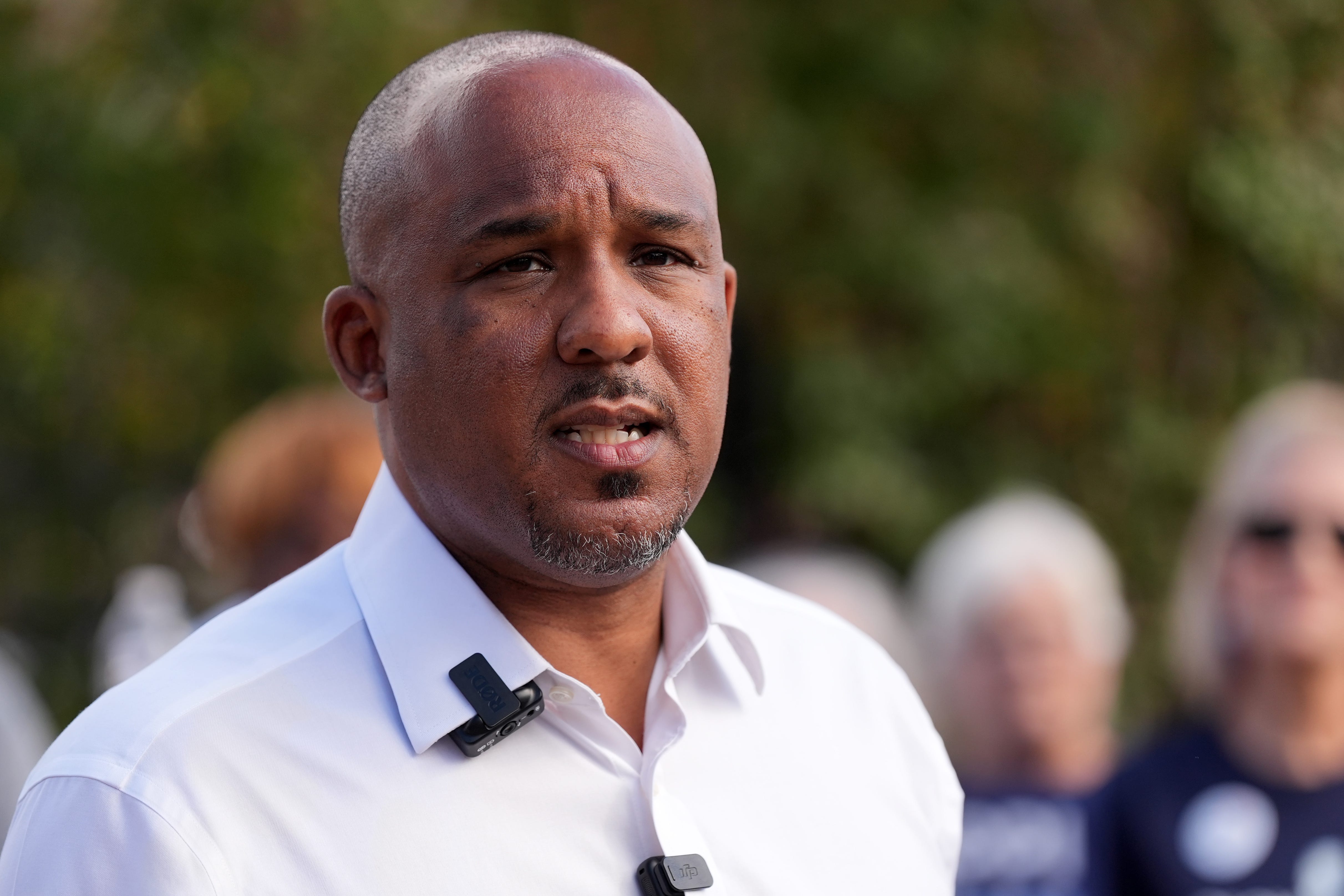
So, is the Senate race between Scott Colom and Cindy Hyde-Smith surprising? No. It feels like the glass cracking in the scene in “Willy Wonka and the Chocolate Factory” when Charlie, Grandpa Joe, and Willy Wonka begin to zip faster toward the glass ceiling in a glass elevator and you think they may smash into a million pieces. They don’t. In fact, they are absurdly hoisted into a glass elevator rocket ship and land safely. I would hypothesize this is how most Americans feel watching the race unfold, with affidavits still being counted across the state.
Yet, people like me — a sixth-generation Mississippian who has traveled the world and lived in America’s major cities — know there is no land like ours and no people like Mississippians. We can take a nickel and turn it into four quarters; we can tell family stories and win Pulitzers; we have transformed scraps into soul food. These are things America applauds and awards.
There’s a reason Fannie Lou Hamer said, “Mississippi is not Mississippi’s problem, it is America’s problem.” So, if Mississippi is the most American place in America, how might we take the national spotlight on the state and highlight the stories of those most proximate to the issues. Ballots are being tallied across the state a week after Election Day to ensure all votes cast are counted, not because something went awry but because Mississippi is one of the hardest states to vote in. We don’t have early voting like most states, and our absentee ballot process requires a notary and other meticulous steps that create barriers. The secretary of state over the past few months covertly curtailed the opportunity for some Black Mississippians to vote — not just in this election but vote in general.
However, I am encouraged and inspired by the ways in which many local organizations have seamlessly created rapid-response teams, like Ms Votes, The People’s Advocacy Institute, Black Votes Matter Fund, Mississippi Center for Justice, Jxnology, and so many more. As was shared in a press conference over the weekend, Mississippi doesn’t need someone to come and save it; people here have always been doing advocating for and educating voters.
This election revealed the purposeful ways antiquated systems created structural barriers for Mississippians to exercise their right to vote. So, no, Scott Colom’s impending win is not because someone had to tell Mississippi what to do or came in to save us. It’s the result of momentum that has been bubbling up from the soil and soul of generations of Mississippians committed to democratized systems for justice and the right to vote. Isn’t that the premise of American democracy?
When the race is called, all affidavits are counted, and the news cycles die down, the people and communities committed to the grueling work of shifting and rewriting voter policy in Mississippi will still be here. Systems that have revealed themselves inadequate will need to be dismantled and rebuilt. Once the high of the win is over, we will be left with the mundane realities of everyday life, just like Charlie and Grandpa Joe at the end of Willy Wonka.
Yet, just like they were transformed by having the opportunity to win a golden ticket and tour the chocolate factory, Mississippians and Americans alike have been transformed. I hope Mississippi shows you what I’ve always known to be true: We expose the best and worst parts of this nation, and this win reveals we are not an outlier but its undiluted truth. Americans have shown themselves to be a union that still cares about life, liberty, and the pursuit of happiness. Perhaps, as W.E.B. Dubois said, “As the South goes, the nation goes.” And look where we’re headed.
Jackson, Mississippi, native Ebony Archie is a multidisciplinary artist, strategist, and wellness practitioner whose work explores Blackness, place, lineage, and Southern futures. You can find her on Substack and Instagram—and creating spaces for wellness and liveable communities IRL.