


“If Winter comes, can Spring be far behind?”―Percy Bysshe Shelley
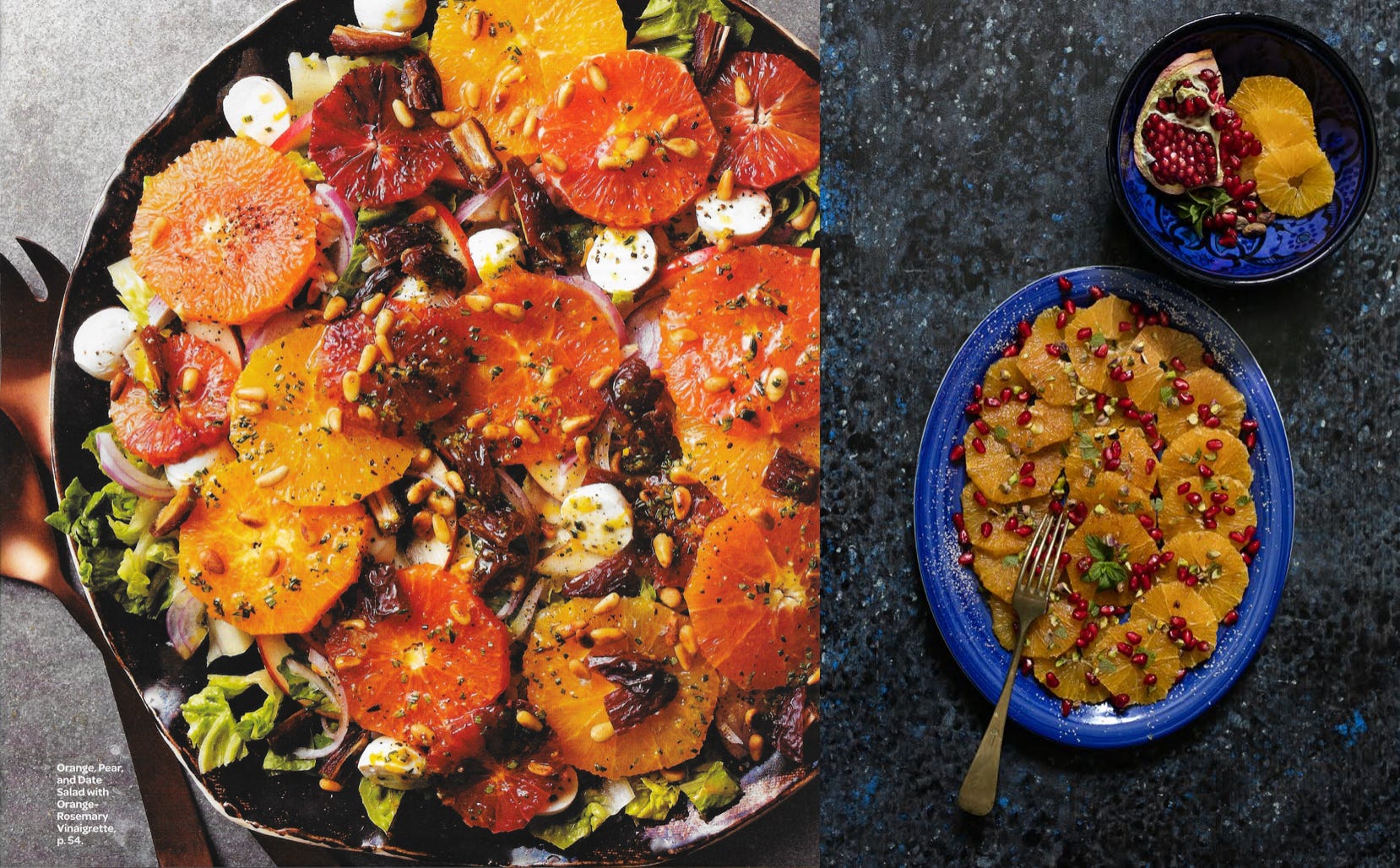
I wrote an entire cookbook dedicated to the orange. I grew up on Florida’s Indian River, world-renowned for its oranges, where winter meant citrus, and oranges were eaten daily, once, twice, thrice, almost without thinking, better than candy to us kids. It still, to this day, remains a constant: the orange, my favorite fruit. Back in 2016, when I realized that no major cookbook had been devoted to the orange, it felt both necessary and an inevitability. “Orange Appeal” was published a year later.
Oranges have followed me all my life, from Florida groves to Italian tables to French markets, from mealtimes to jam pots. Sweet or bitter, fruity or tart; from the fruit to juice, to peel to zest, the orange is one of the kitchen’s most versatile ingredients, certainly the most versatile of all the citrus fruits. I grew up eating them as is—simply sliced, peeled, pulled apart into sections, or juiced—and did well into adulthood. Until I began developing and testing recipes for my cookbook, when suddenly I realized just how endlessly adaptable and surprisingly multifaceted they are in both sweet and savory dishes, beyond even my own wildest orange-perfumed dreams. And, as I discovered their endless culinary possibilities, I also understood that there is no season when their bright, uplifting vibrancy feels more necessary than in the depths of winter. It’s as if Mother Nature understood when we would need them the most.
Winter is already a difficult season for many to get through—the cold, the shortened days, the rough conditions outside. Add to that the current political climate, the icy chill, the darkness, the rough conditions outside, and the strain becomes even harder. The winter of our discontent. Bleak midwinter, indeed.
And yet, there is one good thing about the season (beyond the holidays): winter is abundant in oranges, a fruit whose sunny brightness, sweetness, and acidic zing feel especially welcome now, at exactly the moment when both body and spirit are most taxed. And that appeal isn’t only sensory: as delicious as oranges are—bringing astonishing flavor and transformation to an array of dishes, from soups, salads, and stews to breads and desserts, and awakening our post-holiday, slumbering palates—they are also rich in what we need to keep going, both in body and mind.
The orange is a huge dietary plus, though most people think of it only as an excellent source of vitamin C. What many don’t realize is that oranges also provide vitamins A, E, and several B vitamins (including B1), along with potassium, calcium, copper, phosphorus, niacin, folic acid, folate, and magnesium, as well as being rich in fiber. Their health benefits include aiding digestion and hydration, helping prevent disease, acting as powerful anti-inflammatories and antioxidants. Vitamin C supports both immune and skin health and helps the body absorb iron, which can reduce fatigue. In short, oranges help keep us stronger and more resilient—better equipped to get through winter, to stand outside in the cold, to show up when we need to, and to fight the battles that still need to be fought.
Winter—and winter 2026 most particularly—is a time marked by stress and emotional fatigue. The connection between what we eat and how we feel seems especially relevant now, not just physically, but mentally as well. Our psychological well-being is as crucial as our physical health. Oranges, once again, come to our rescue. Emerging research points to a link between citrus and mental health: a study led by Dr. Raaj Mehta of Harvard Medical School found that eating one medium orange a day was associated with a significantly lower risk of depression, an effect that appeared specific to citrus. Regular consumption of citrus fruits is thought to reduce stress and anxiety levels, lift our mood, boost brainpower and alertness, and promote an overall sense of well-being.
We know what we eat can influence not only how our bodies function, but how we feel, as well. And, now more than ever, we truly need all the restorative powers and the fortifying magic of the orange while we fight for the spring.
“If we had no winter, the spring would not be so pleasant: if we did not sometimes taste of adversity, prosperity would not be so welcome.”―Anne Bradstreet
For today, I’ve set aside the search for something new, choosing instead to share two beloved recipes of mine, each letting the orange take center stage, the main ingredient — one savory, one sweet. Both are easy to make, yet with the best-quality ingredients, these simple, familiar elements come together in ways that are uncommonly delicious: a savory salad and a sweet.
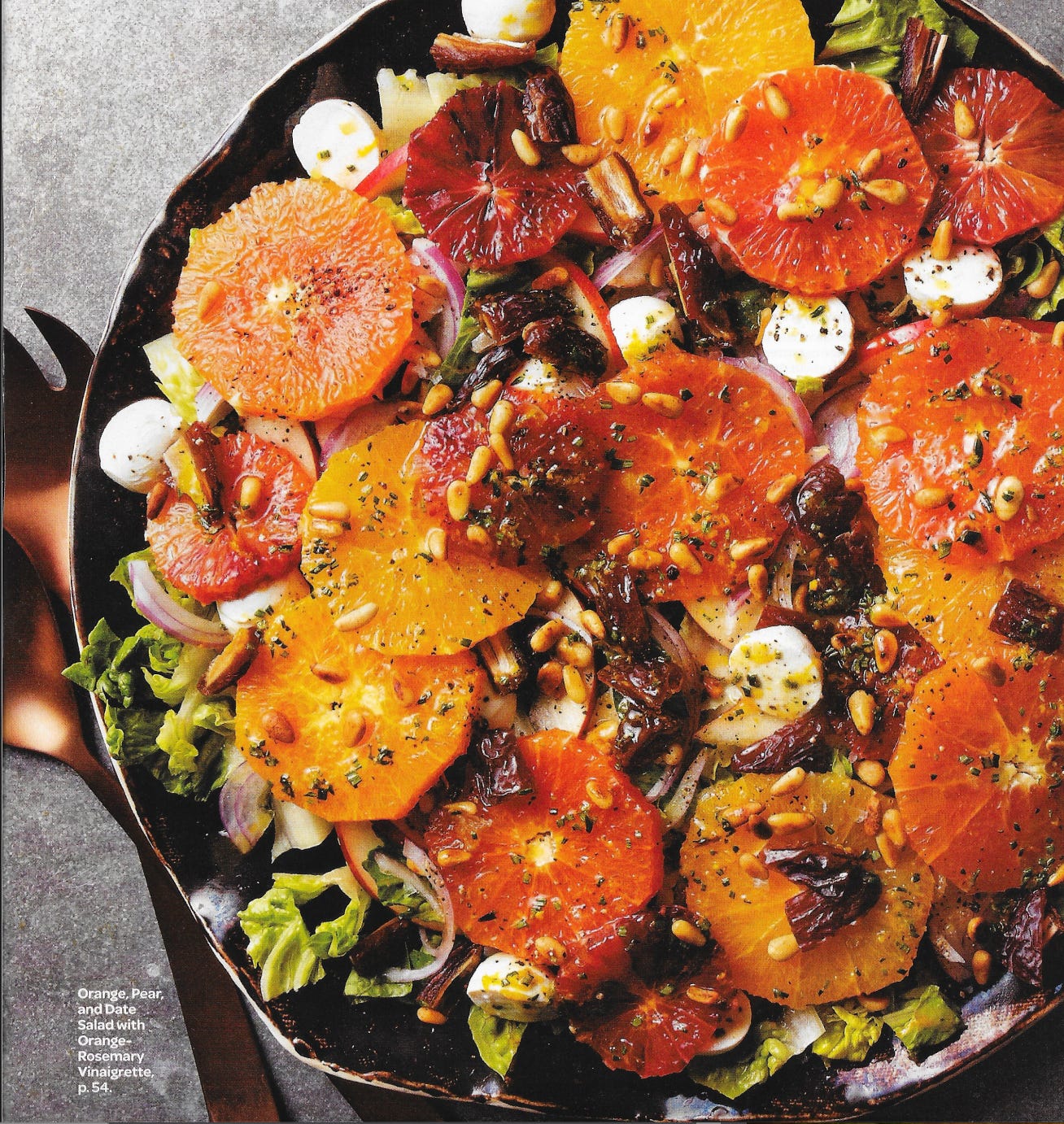
Orange, Pear, and Date Salad with Orange-Rosemary Vinaigrette
(recipe and photo first published in Fine Cooking magazine, February/March 2017)
Serves 4
3 medium oranges, navel, juice, or blood varieties, or a mix
2 tablespoons white wine or Champagne vinegar
2 teaspoons finely chopped fresh rosemary
¾ teaspoon finely chopped fresh thyme or a pinch dried
¼ to ½ cup (65 to 125 ml) extra-virgin olive oil
Kosher salt and freshly ground black pepper
2 small heads Little Gem (sucrine) or 1 small head baby romaine or butter lettuce, coarsely chopped, or a few handfuls of delicate mixed greens (mesclun)
1 large ripe pear, quartered, cored, and sliced into thin wedges
4 Medjóol dates, pitted and each cut into 4 to 5 pieces (see note below)
½ cup very thinly sliced red onion (1 small onion)
4 ounces (115 grams) fresh mozzarella, either small balls, such as ciliegine or bocconcini, or larger, cut into bite-sized pieces
2 tablespoons toasted pine nuts
Flaky sea salt
Note: The best dates for this salad are unsweetened, unglazed, plump, moist medjóol dates, but these can be replaced with any other variety soft unsweetened, unglazed date, simply add a couple more if the dates you find are small.
Use a rasp-style grater to remove 1½ teaspoons of fine zest from one of the oranges. Juice one of the oranges to yield ¼ cup (65 ml) juice. In a small bowl, whisk the juice, zest, vinegar, rosemary, and thyme. Continue whisking as you slowly add the olive oil in a steady stream. Season to taste with salt and pepper.
Peel the remaining two oranges as directed in the note below. Slice the oranges crosswise no more than ¼-inch thick. Remove and discard any seeds.
Pile the chopped lettuce in the center of a platter or divide among serving plates. Top with the orange slices, pear, dates, onion, and mozzarella, and then sprinkle with the pine nuts, a grind or two of black pepper, and some sea salt. Whisk the vinaigrette, spoon some over the salad, and serve the rest at the table.
PITH-FREE PEELING: Slice off the blossom and stem ends of the fruit. Stand the fruit on one of its cut ends, and slice off the skin in strips, following the natural curve of the fruit from top to bottom. Try to remove all the bitter white pith without removing too much of the flesh.
Moroccan-Inspired Marinated Orange Slices in Cinnamon and Orange Blossom Water
(recipe and photo first published in “Orange Appeal,” Gibbs Smith, 2017)
Serves 4 or 5
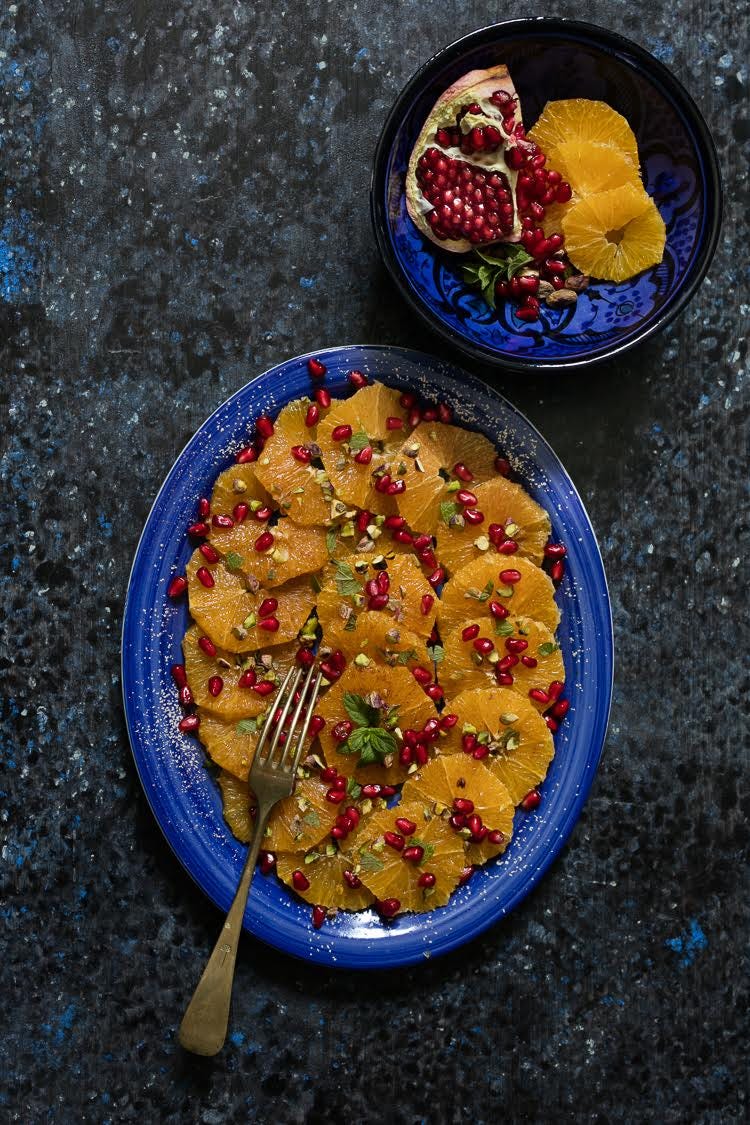
This traditional North African dessert—to which I’ve added the Moroccan flavors of pomegranate seeds for tartness, pistachios for crunch, and mint for a bright touch - is a light, refreshing, and fragrant finale to a hearty, rich, or spicy winter meal, a tagine, couscous, a stew or grill.
Use a fine sieve for evenly dusting the oranges with the cinnamon and the confectioner’s sugar. For 2 or 3 people, use 3 oranges and half all of the other ingredients. Orange blossom water, also known as orange flower water, can be purchased in Lebanese, Indian, Middle-Eastern or gourmet food shops.
5 medium to large oranges, navel or blood varieties
3 tablespoons orange blossom (orange flower) water
1 teaspoon ground cinnamon
2 tablespoons confectioners/powdered sugar
Seeds from ½ a pomegranate
1 ½ to 2 tablespoons unsalted pistachios, coarsely chopped
8-10 mint leaves, chopped or torn, for garnish
Peel the oranges and cut away all the white pith (see the note following the salad recipe). Slice each orange across the core into 1/4-inch slices, 6 per orange, reserving any juice that runs off. Push out and discard any spongy white core. Fan the slices in concentric circles, slightly overlapping the fruit, on a large round serving platter.
Drizzle the orange blossom water and any runoff juice from slicing the oranges over the fruit, dust lightly and evenly with cinnamon and a generous dusting of confectioners/powdered sugar. Chill the oranges for at least an hour or longer in the refrigerator to allow the flavors to blend well before serving.
When ready to serve, scatter with pomegranate seeds, coarsely chopped pistachios, and coarsely chopped or torn mint leaves.
Jamie Schler is a writer immersed in French culinary history—and telling the stories where food and culture entwine. Cookbook author. Hotel owner. Jam maker. I’ve won some awards.

I can get behind recipes on The Contrarian! Especially since the orange is so unfairly maligned these days, due to its similarity of coloring to a certain despot.
Both of these are so pretty!