


Nominations for the 98th Academy Awards were unveiled Thursday in Los Angeles, and as usual the announcement brought a mixed bag of pleasant surprises and head-scratching oversights.
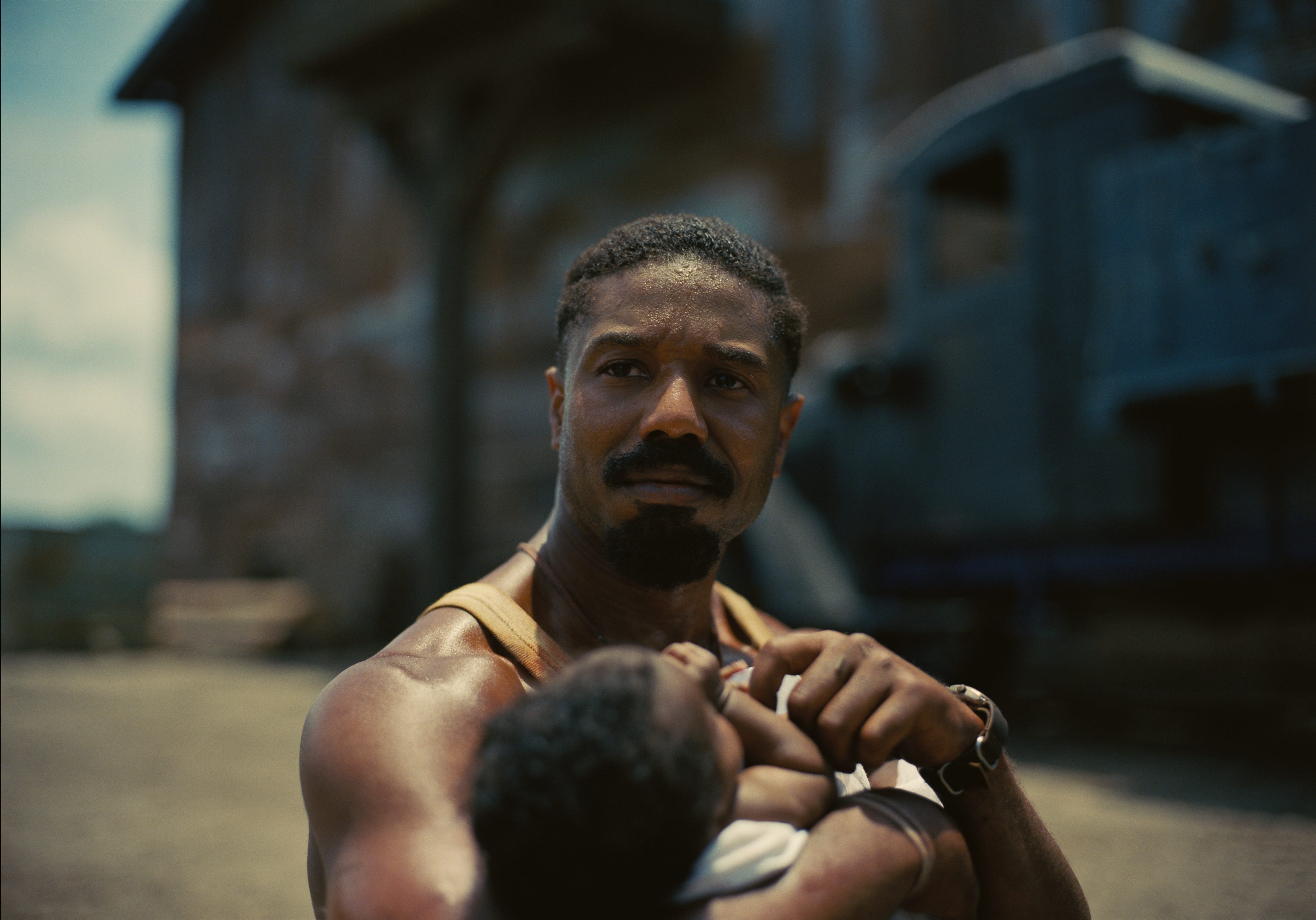
The leading contenders include Sinners, Ryan Coogler’s stylish supernatural horror film about vampires in the Jim Crow South, which claimed a record-setting 16 nods. It was followed by One Battle After Another, Paul Thomas Anderson’s politically charged action thriller about a burned-out ex-radical on a quest to find his daughter.
Other top nominees include Hamnet, a tear-jerking look at William Shakespeare’s family life; Sentimental Value, a bittersweet Norwegian dramedy about a self-absorbed filmmaker and his his estranged daughters; The Secret Agent, a visceral look of life under authoritarianism in 1970s Brazil; and Marty Supreme, which follows the world’s most annoying ping-pong player as he wreaks havoc in mid-century New York City. Lest Academy members be accused of elitism, they also honored F1, a pleasantly mindless blockbuster about an aging race car driver, with a nomination for best picture that probably should have gone to It Was Just An Accident.
This commendably eclectic array of big-budget crowd-pleasers and more niche fare reflects the enduring creative vitality of an industry rocked by financial uncertainty. Amid a seemingly endless wave of corporate mergers and middling box office returns, it’s heartening to know we can still get movies as aggressively weird as Bugonia or unabashedly entertaining as One Battle After Another.
Here’s a look at the good, the bad, and the inexplicable in this year’s Oscar nominations.
Good: The triumph of Sinners
Whatever happens March 15, when the Oscars will be awarded, the record haul by Sinners, an unqualified box office smash from a Black writer-director and featuring a predominantly Black cast, reflects positive changes to the business more than a decade after after the #OscarsSoWhite controversy. It’s also an indication that The Academy, which has been historically reluctant to recognize horror films, is finally warming to the genre. But its triumph shouldn’t make us blind to the areas where the Academy still desperately needs to improve. Of which there are many!
Bad: #ActressesSoWhite
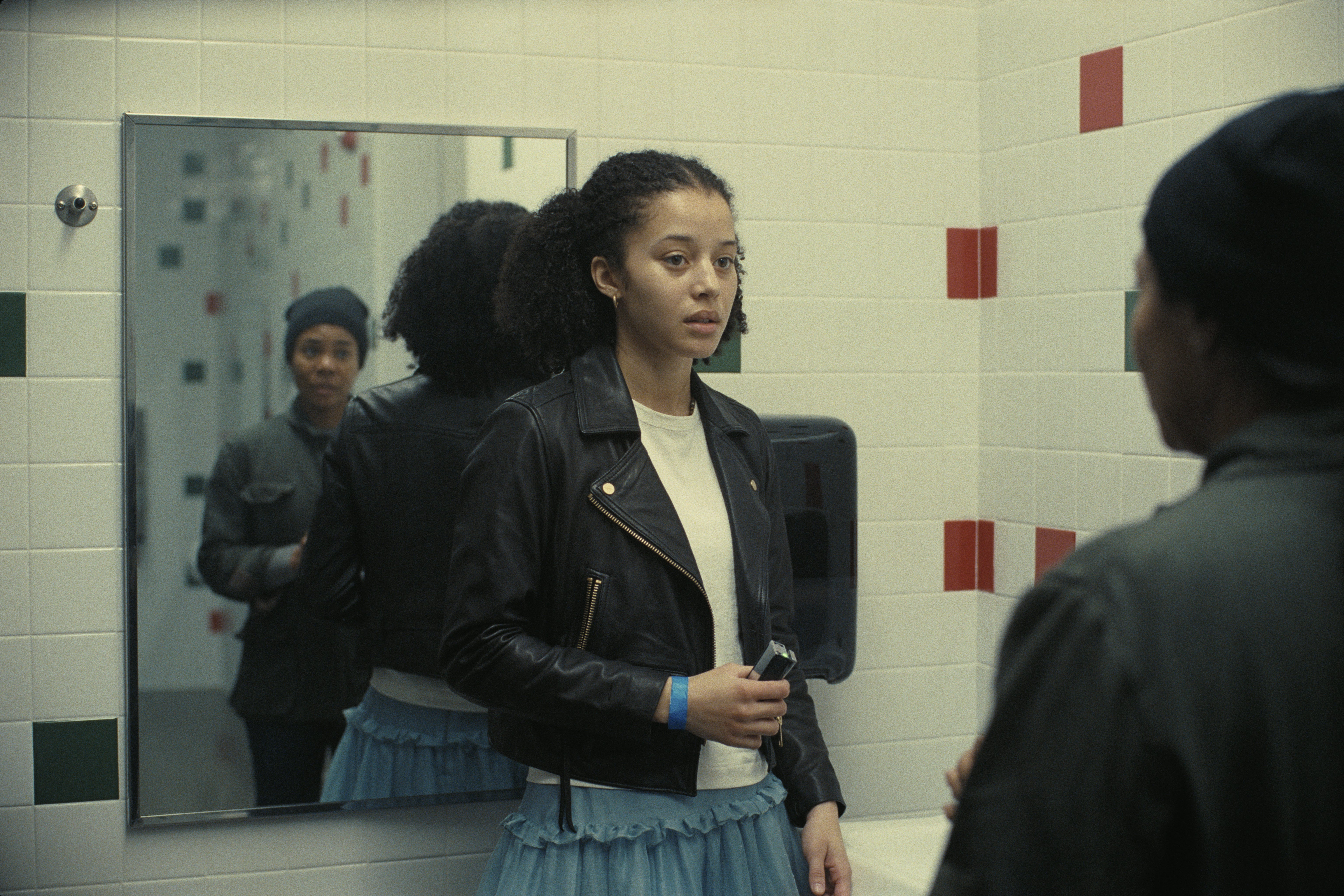
As expected, One Battle After Another also performed well, landing 13 nominations overall. But while Leonardo DiCaprio, Benicio del Toro, Sean Penn, and Teyana Taylor all picked up nominations, newcomer Chase Infiniti was left out of the lead actress category, which is entirely white this year. It’s worth noting that since the Oscars were first held 97 years ago, only one Black woman, Halle Berry, has ever won the category. This is not just an indictment of the Academy’s narrow taste, but also a sad reflection of Hollywood’s unwillingness to back projects led by Black women in dramatically compelling roles. I am grateful that this year we got to see recognition of Rose Byrne as a frazzled mom, Emma Stone as a kidnapped executive, and Jessie Buckley as the mysterious woman behind a towering cultural icon. But it would be thrilling — and deserved — to see more women of color get similar opportunities.
Inexplicable: Wicked:For Good comes up empty
In one of the more shocking rejections in recent Oscar memory, Wicked: For Good, the second part of the Broadway musical adaptation, received a grand total of zero nominations. Last year, Wicked picked up 10 nods, ultimately winning two (for costume design and production design). Universal took a risk by separating Wicked into two parts, and while it appears to have paid off at the box office, it clearly wasn’t popular with Academy voters.
Stars Cynthia Erivo and Ariana Grande, both nominated last year, were passed over this time around. Wicked: For Good also failed to secure the designated “popcorn movie” slot in the best picture category (that seemingly went to F1) and was also shut out of the technical categories it won last year. Perhaps most shocking of all, Wicked: For Good, was passed over for best original song even though it included two new numbers by composer Stephen Schwartz. (Instead, a song from Viva Verdi!, a little-seen documentary about opera singers, made the cut.)
Good: The Oscars’ increasingly international outlook
Following a 2012 report by the Los Angeles Times which revealed that the Academy was 94% white and 77% male, the organization began to aggressively expand its membership to include more women, people of color, and non-Americans. As of 2025, nearly a quarter of the Academy’s 11,000 or so members live outside the U.S., and in recent years Oscar voters have recognized more international films and performers (See: the history-making best picture win for Parasite in 2020) The Oscars’ increasingly global outlook was evident Thursday. Sentimental Value and The Secret Agent, which were both produced overseas and primarily performed in a language other than English, were nominated for best picture. All four acting categories included at least one actor from a foreign film, with nominations going to practically the entire cast of Sentimental Value, including Stellan Skarsgård, Elle Fanning, Inga Ibsdotter Lilleaas, and Renate Reinsve, as well as Wagner Moura for The Secret Agent.
Bad: Too Little Love for It Was Just an Accident
But the Academy still has its limits, and regrettably didn’t fully embrace It Was Just An Accident, the darkly funny political thriller from dissident Iranian filmmaker Jafar Panahi. The film, which follows a group of former political prisoners as they consider taking revenge on the man who might have been their tormentor, was inspired by Panahi’s experiences in prison. It landed nominations for original screenplay and international feature, nods that should be celebrated for a movie that was made in secret and probably cost less than Brad Pitt’s personal chef on F1. But unlike that movie, which was essentially a $200 million Formula One infomercial, IWJAA didn’t make the cut for best picture. And even though Panahi was just sentenced to a year in prison in absentia for making it, he also got passed over for best director.
So why didn’t one of the year’s most politically urgent films — which also happens to be quite entertaining — fare better with Oscar voters? It could be that Neon, the company that distributed Sentimental Value, It Was Just an Accident and The Secret Agent, just didn’t have enough bandwidth to promote it. Perhaps the movie, which won the Palme d’Or at Cannes in May and was released in October, peaked too soon. Or maybe the relative star power of Sentimental Value and The Secret Agent, both of which were led by internationally well-known actors, helped them get noticed. Who knows, but I’ll be rooting for IWJAA come March 15.
Good: Hollywood may finally be over movies about Hollywood
In the past, the Oscars have lavished nominations on movies about the industry, like A Star is Born. But this year they gave a “hard pass” to Jay Kelly, a maddeningly indulgent Noah Baumbach film starring George Clooney as an aging Hollywood star reflecting on his life and career as he travels around Europe in luxury. Though it was in the Oscar conversation for months, it came up empty Thursday, as did Springsteen: Deliver Me From Nowhere, signaling what may be the end of the Academy’s love affair with Oscar-baiting music biopics. Now that’s something we can applaud.
Bad: The Testament of Ann Lee gets shunned
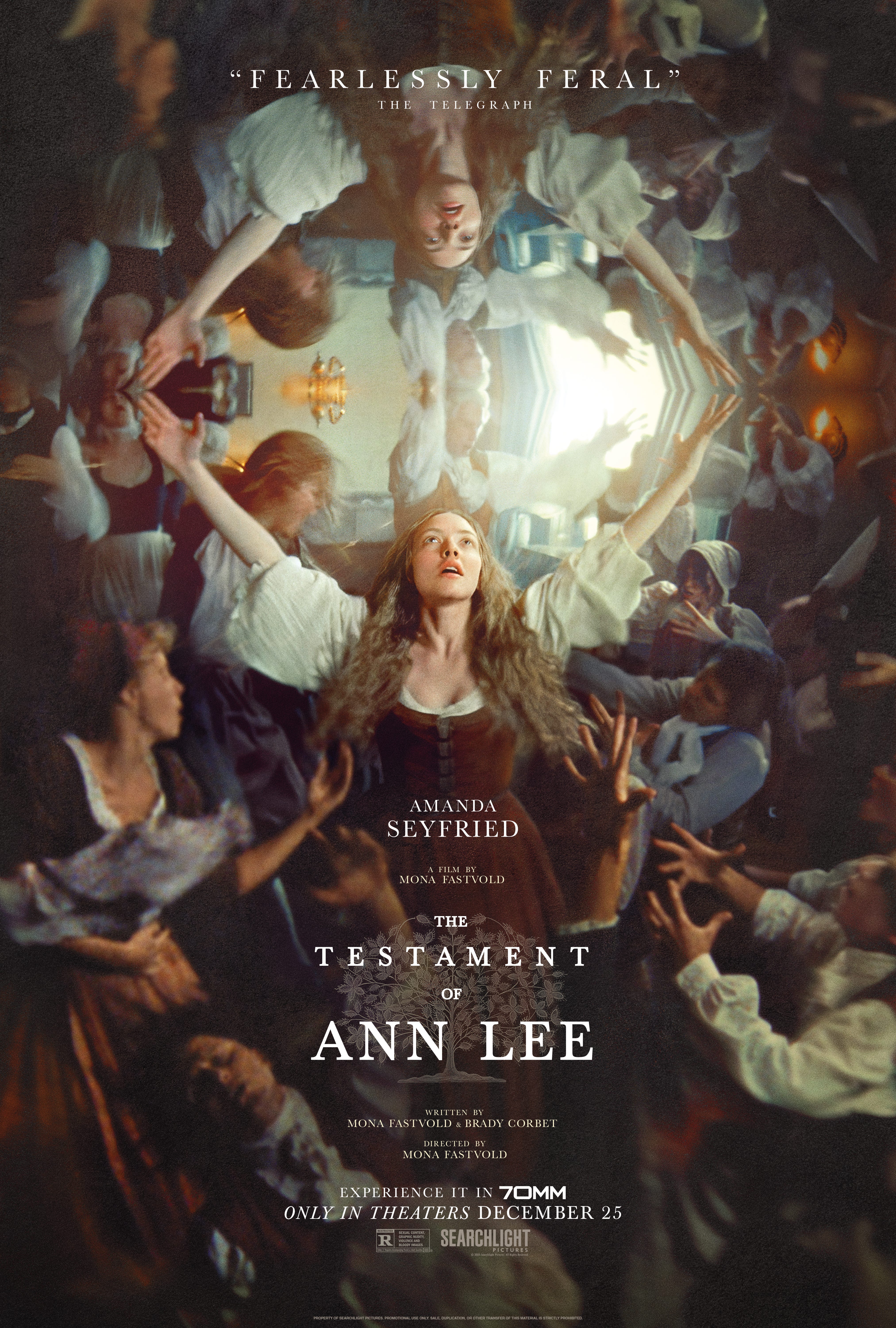
Not many people have gotten to see The Testament of Ann Lee, a quasi-musical biopic (not to be confused with a music biopic) about the charismatic woman who brought the Shaker movement to the United States. And I can only assume none of them are Academy members, because otherwise this wonderfully strange, creatively audacious film about a female religious leader would have ended up with a few nominations Thursday.
Amanda Seyfried delivers a ferocious performance as Ann Lee, the illiterate 18th-century Mancunian who brought the Shaker movement to the United States. Despite her modest background and lack of education, Ann is charismatic enough to compel her followers to cross the ocean and settle in Revolutionary America, where they face violent persecution and can’t even blow off steam by fornicating with one another. (Celibacy was one of the movement’s core beliefs.)
Directed and co-written by Mona Fastvold, Testament of Ann Lee was always going to be a tough sell with some Academy voters (particularly the kind who want to dissociate while watching Brad Pitt go vroom-vroom for two hours). It includes unflinching portrayals of 18th-century childbirth (spoiler alert: not fun) and includes sequences of Ann and her followers engaged in ecstatic worship.
But it also shares a creative team with The Brutalist, a historical drama that managed to eke out 10 nominations last year despite a 3 ½-hour running time and seemingly esoteric subject matter (That film’s director, Brady Corbet, co-wrote the screenplay for Testament.) And Bugonia, a movie that is every bit as bonkers as Testament — and then some — still got lots of love from the Academy. At the very least, Seyfried should have picked up a nomination for her riveting performance as Ann, which required her to sing, dance, and do a convincing Lancashire accent.
Despite the bonnets, horse-drawn carriages, and weird dance moves, Testament also happens to be deeply relevant to our current times, a movie about female trauma and the religious zealots who built the United States. If that’s not relatable, then what is?
Meredith Blake is the culture columnist for The Contrarian
Train Dreams was also nominated for Best Picture.
It’s worth noting that since the Oscars were first held 97 years ago, only one Black woman, Halle Berry, has ever won the category. "
How is it that Oprah Winfrey did not win for The Color Purple? I'll have to look that year up.