


Like many former White House staffers, like many D.C, residents, like many Americans, I am shocked and saddened by the demolition of the East Wing of the White House. You might not think the demolition of the East Wing is gendered, but, as a cinematographer who focuses on the visuals of power, I can assure you it is.
The White House has always been divided along gendered lines. The West Wing, with the Oval Office, Situation Room, and Roosevelt Room, has symbolized command, decision-making, and what we traditionally recognize as “hard power.” The East Wing, meanwhile, has been coded as the “women’s space” of the White House, housing the Office of the First Lady, social secretaries, and press teams dedicated to what often gets dismissed as softer work: hospitality, emotional labor, and relationship-building.
A quote attributed to Betty Ford captures this dynamic: “If the West Wing is the mind of the nation, then the East Wing is the heart.”
But here’s what gets lost in that poetic framing: The heart is not less important than the mind. Soft power is power. The work of first ladies, from advancing policy initiatives to conducting quiet diplomacy over state dinners, has shaped American politics in ways that rarely make headlines but usually make history.
According to the White House Historical Association, the East Wing is explicitly a gendered space: “Historically a largely female staff, the women of the East Wing have long been behind the staging of events at the White House, as well as facilitating and executing first lady projects throughout the twentieth century.”
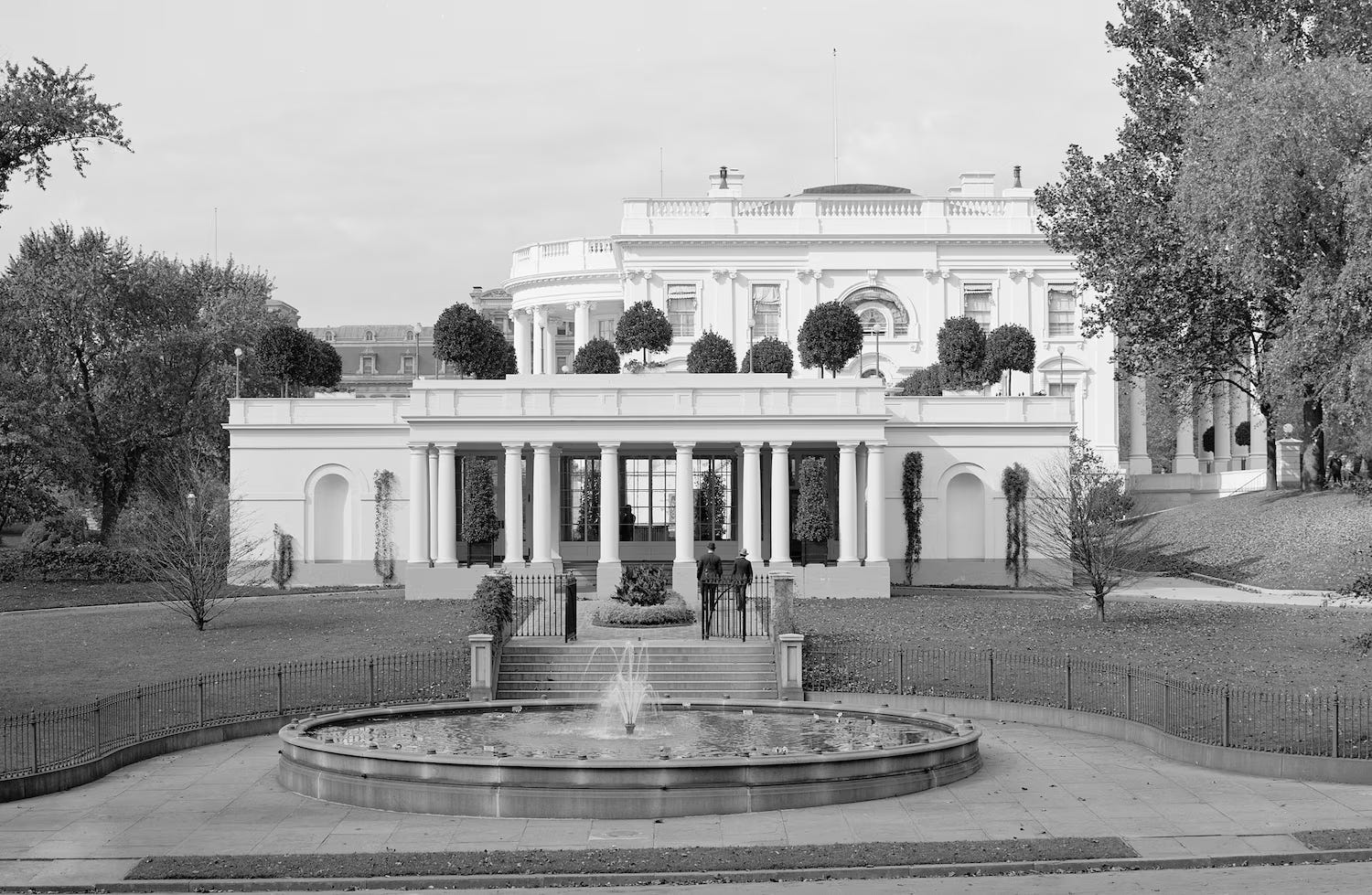
The East Wing, constructed in 1902, was expanded in 1942 in President Franklin D. Roosevelt’s administration as camouflage for a wartime bunker. But it soon became a symbolic and functional seat of female power within the White House. For eight decades, it served as the institutional home for the often-invisible labor of hosting, diplomacy, and care that kept the American presidency functioning.
Yes, past presidents have undertaken White House construction projects, and, yes, there was backlash at the time. Even the East Wing itself stirred controversy when it was built. But context matters. Previous renovations preserved or enhanced the spaces where women’s hard-earned political work occurred. This demolition eliminates them.
Kate Andersen Brower, a historian who studies first ladies and wrote “The Residence,” a book about the White House, told WBUR, “I think there’s a definite diminishment of the first lady’s role. If she’s not going to be working in the White House or having her staff around her, then she’s not going to be in the middle, in the thick of things.”
Putting it more directly, historian Katherine Jellison told Politico, “If we’re talking about metaphors, the fact that there’s not a first lady’s office in the now-absent East Wing sort of speaks to Melania Trump’s current role as first lady, which is largely unseen and unheard.”
This matters enormously. When President Donald Trump decides to demolish the physical space where women have historically wielded power in American politics, he is not just shattering bricks and mortar. He is making a statement about whose work matters, whose presence is essential, and whose power deserves institutional support.
The East Wing gave first ladies proximity to decision-making, visibility for their initiatives, and the infrastructure to pursue their agendas. Without it, the role of first lady (already constitutionally undefined and frequently trivialized) becomes even more marginalized.
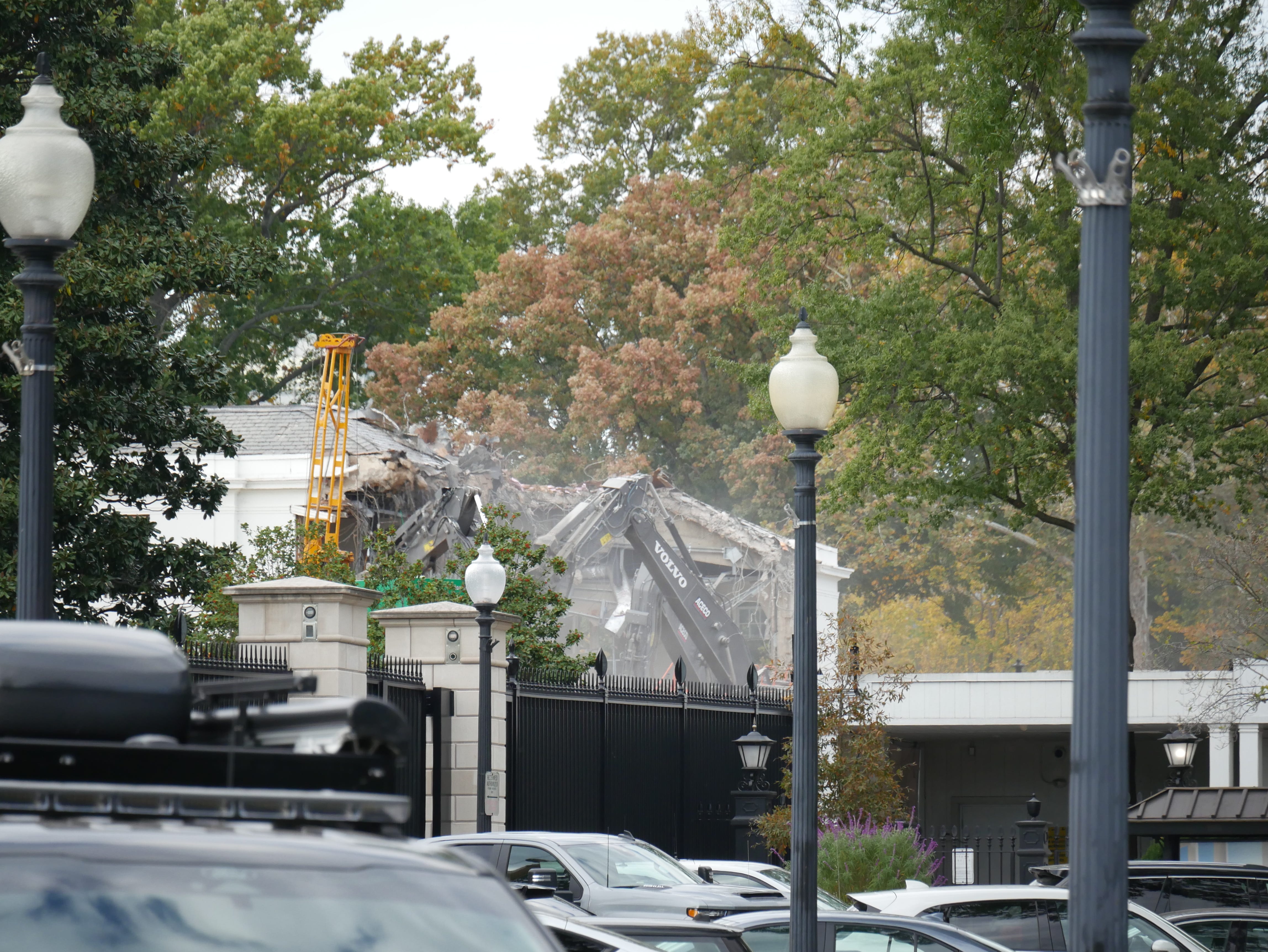
As someone who thinks constantly about the visuals of power, I cannot stop thinking about the images of the East Wing being torn down. Excavators ripping into walls. Debris piled high. The careful architecture of decades reduced to rubble.
These images tell a story about what this administration values and what it doesn’t. They document, in real time, the literal dismantling of institutional femininity in American politics. The demolition of the East Wing is a metaphor made manifest. For too long, women’s political contributions have been treated as decorative rather than essential, as emotional rather than strategic, as soft rather than substantive. Now the very building that housed that work has been destroyed.
I want to be clear: I’m not romanticizing the East Wing or suggesting that confining women’s power to one section of the White House was ever ideal. The goal should be women wielding power throughout every wing, every office, every decision-making space.
But we don’t achieve gender equity by demolishing the spaces where women have historically worked. We achieve it by expanding women’s access to all spaces while respecting and preserving the institutions they’ve built.
Until next time, keep your eyes sharp and your lenses sharper.
*Send examples of visual sexism to submit@contrariannews.org with the subject line SPLIT SCREEN.*
Azza Cohen (she/her) is an award-winning documentary filmmaker who served as Vice President Kamala Harris’s official videographer in the White House. She recently founded a production company with her wife, Kathleen, and is writing a book about visual sexism from a cinematographer’s perspective. Uncover and address visual sexism alongside Azza every other week here on The Contrarian and on Instagram and Bluesky. The New Yorker distributed her film “FLOAT!” in 2023.

Perhaps the most telling aspect of the abdication of women's power is that Melania ditched the WH before this even happened. Then again: she ain't no lady.