


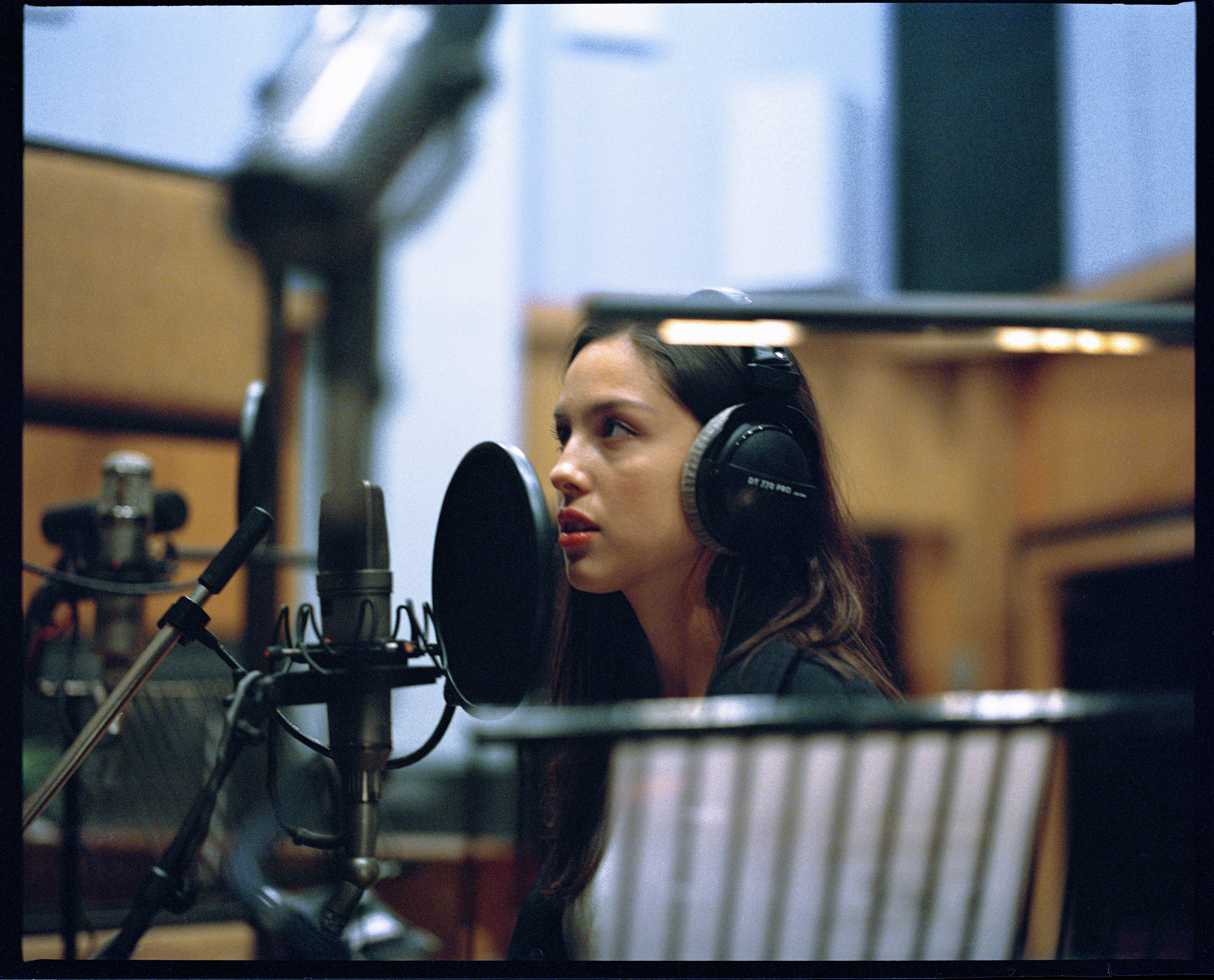
On September 9, 1995, the British charity War Child released The Help Album, a compilation featuring the biggest names in British and Irish music, which raised funds for children in war-torn Bosnia and Herzegovina.
Inspired by John Lennon’s adage that records should be released quickly (like newspapers), the album was recorded on a single day — September 4 — and was available in stores less than a week later.
Produced by Brian Eno, Help (as it is generally known) included new music by Britpop archrivals Blur and Oasis, as well as acts like Portishead, the Stone Roses, and Sinéad O’Connor. Even Paul McCartney contributed, re-recording a version of the Beatles’ “Come Together” with Noel Gallagher and Paul Weller. It raised £1.25 million for War Child and brought much-needed attention to genocidal violence in the former Yugoslavia.
Thirty-one years later, the situation for children around the world has only grown more dire. According to War Child, about 10% of the world’s children were affected by conflict when Help was released. Today, because of wars in Gaza, Ukraine, Yemen, Sudan, Syria, and beyond, that number has doubled, to 1 in 5 children — or about 520 million worldwide living in or fleeing conflict zones.
But today’s musicians are once again meeting the moment.
On Friday, War Child released Help(2), a compilation that will help support the organization’s work delivering aid to children in conflict zones. It features new recordings by many of the artists from the original, such as Oasis (who contributed a live version of “Acquiesce” recorded at Wembley Stadium during their enormously successful reunion tour last year) and Blur’s Damon Albarn. But it also includes songs by a new generation of socially-conscious musicians, including pop star Olivia Rodrigo, British indie rockers Wet Leg, and Cameron Winter, frontman of the much buzzed-about Brooklyn band Geese.
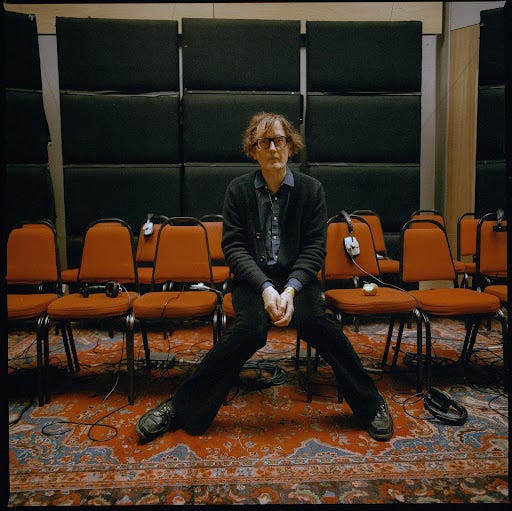
The songs, a mix of covers and originals, were recorded at London’s famed Abbey Road Studios over the course of a week in November. Producer James Ford steered the project while undergoing treatment for leukemia. “The actual week of the Abbey Road sessions, I was in the ICU with a pipe coming out of my fucking neck,” he told The Guardian.
Ford started by reaching out to many of the well-known artists he has worked with in the past. Despite the project’s seemingly non-controversial goal — helping children — several acts declined to participate.
“It was actually a great insight into the industry: which people are willing to do something. People who you’d think would be into it flat-out refused because they saw it as too political or something like that. It was fascinating,” he told The Guardian.
Oscar-winning director Jonathan Glazer (The Zone of Interest) was tapped to create a documentary around the project. He came up with the idea of having school children film the studio sessions, and of giving cameras to children in war zones “so we could see what they see,” he said in a press release.
We wanted to remove the adult hand and the adult world around them — the conflict, the injury and the war. What they did with the cameras was up to them, we just encouraged them to play. What we got back was the purest form of their energy, joy and truth. It gives us a chance to not only witness, but experience their innocence, joy and resilience.
The album is available to buy in various formats and stream on multiple platforms. Click here for more info.
Here are a few standout tracks to get you started.
1. Olivia Rodrigo, “Book of Love”
Rodrigo is not only one of the most politically outspoken pop stars of her generation, she also has excellent taste in music that’s much older than she is. Her contribution to Help(2) is a gorgeous rendition of “The Book of Love,” originally recorded by the Magnetic Fields. The accompanying music video (see above), also released Friday, was filmed by children in Yemen, Sudan, Ukraine, and Gaza (listen closely for the sounds of their laughter).
2. Pulp, “Begging for Change”
When it comes to the age-old Britpop debate of “Blur or Oasis?” my answer has always been “Pulp, actually.” The group wasn’t involved in the original Help album, which came out just as they were on the rise in the U.K., but they contributed the money they received for winning the prestigious Mercury Prize in 1996 to War Child. The group’s frontman, Jarvis Cocker, said he started writing this song 14 years ago but couldn’t make it work. “Somehow, with it having the focus of trying to help some people and change their situation, I did manage to finish it,” he said.
3. Fontaines DC, “Black Boys on Mopeds”
In 1995, Sinéad O’Connor contributed a last-minute cover of Bobbie Gentry’s “Ode to Billie Joe.” This time around, the Irish rock group Fontaines DC (the “DC’ stands for “Dublin City”) paid tribute to the late, great iconoclast by performing “Black Boys on Mopeds,” a haunting, prescient protest anthem from her 1990 album I Do Not Want What I Haven’t Got. Like pretty much everything about O’Connor, the song, about racist police violence in Margaret Thatcher’s U.K, was way ahead of its time.
4. Beth Gibbons, “Sunday Morning”
Gibbons is the lead singer of Portishead, the British trip-hop group whose album Dummy was the soundtrack for countless futon makeout sessions in the 1990s. She lends her yearning vocals to this cover of the Velvet Underground classic. She couldn’t possibly sound more different from Lou Reed, which somehow makes her the ideal person to reinterpret this song.
5. Cameron Winter, “Warning”
This contribution from the lead singer of Geese is about as unsettling as it gets, featuring menacing strings straight out of a Hitchcock movie and obliquely terrifying lyrics like “This is your warning/ You’re gonna appear before a stranger. I don’t know if you’ll be in any danger. For some are not pulled into moving cars/Some are not dragged down Fifth Avenue by the hairs in their ears.”
Meredith Blake is the culture columnist for The Contrarian