

By Susan Tsui Grundmann
At 10:45 p.m. on Feb. 10, 2025, I was the chair and a member of the Federal Labor Relations Authority (FLRA), an independent, quasi-judicial executive branch agency. One minute later, without warning, a representative of the president emailed me the following: “On behalf of President Donald J. Trump, I am writing to inform you that your position on the Federal Labor Relations Authority is terminated, effective immediately. Thank you for your service.” I had nearly five months left of my five-year term remaining at that time, plus a significant statutory holdover period that could be cut short only when my successor was confirmed.
Three days later, I filed suit against the president for blatantly violating the statute governing the FLRA. The statute expressly states that the president may remove a member only after notice and a hearing and “only for inefficiency, neglect of duty, or malfeasance in office.” The government lawyers defending the president admitted that he had violated the statute but claimed that the president had the constitutional right to remove me nonetheless. The district court agreed with me and ordered the government to send me back to work. I was on the job for the next three months—until the D.C. Circuit granted the government’s belated request to stay the district court’s order while the merits of my appeal were decided. Since then, my term has ended and the Senate has confirmed my successor. As a direct result, I am ending my case. I send my successor good will and wish him fulfillment as he begins his journey at the FLRA.
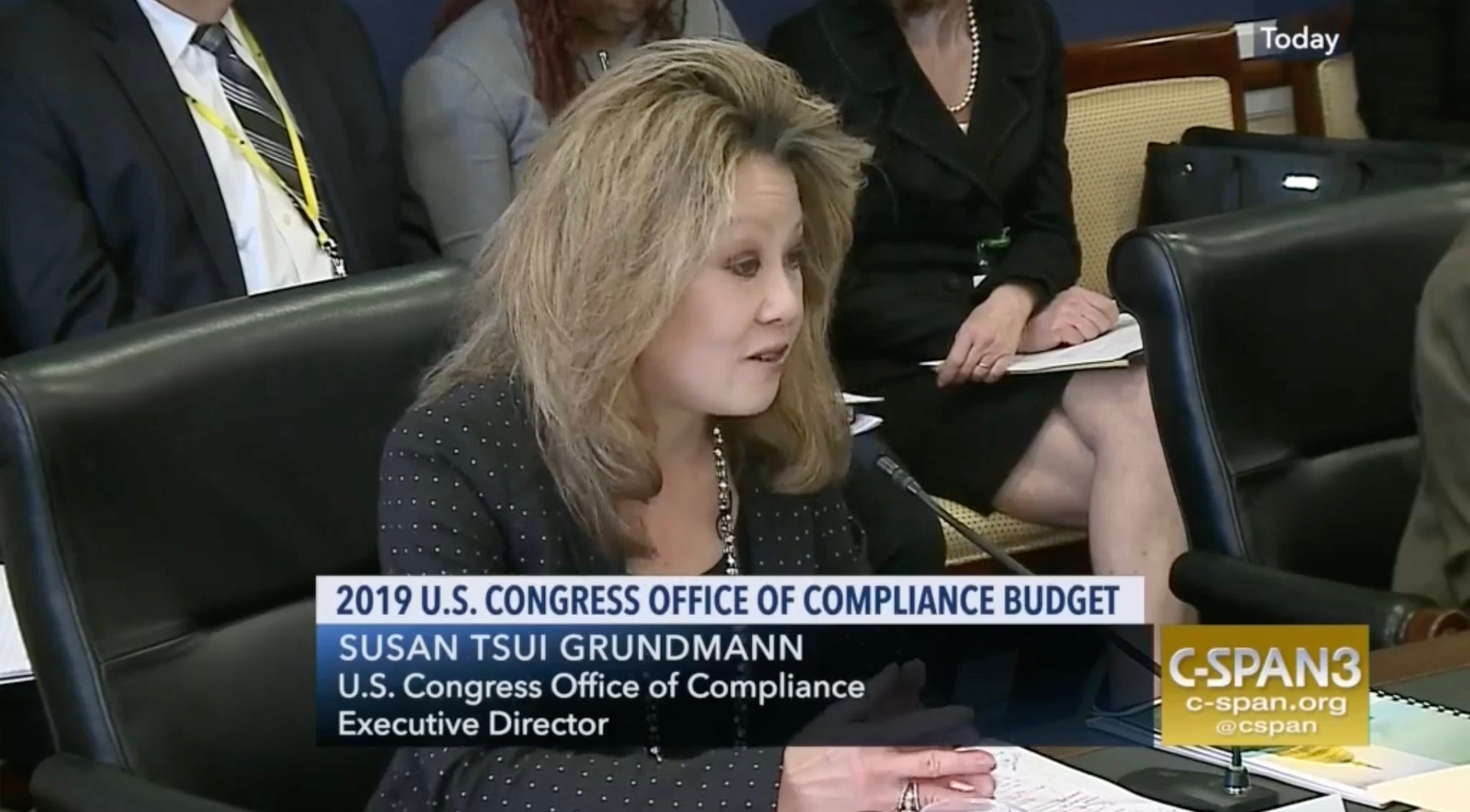
Though I am ending my case, the fight continues. At the FLRA, I, along with the other two members, adjudicated labor disputes in the federal workforce. Because the federal government is a party in labor disputes, Congress created the FLRA to be an independent, bipartisan agency whose members are presidentially appointed, Senate confirmed, and protected by statute against arbitrary or politically motivated removal. I served at the FLRA because I believe that collective bargaining in the federal sector is profoundly important. Though not everything is negotiable in the government, it is vital that those who perform the work of our federal agencies have their voices heard alongside the voices of those who manage and supervise in those agencies. As the FLRA’s authorizing statute proclaims, “labor organizations and collective bargaining in the civil service are in the public interest.” Words have meaning.
I am just one of several independent agency commissioners whom Trump fired in willful disregard of statutory protections enacted by Congress. These firings are intended to concentrate all executive power in one person: him. However, almost a century ago, in Humphrey’s Executor v. United States, the Supreme Court unanimously decided that Congress could limit the president’s power to remove independent agency commissioners. That case is the bedrock for the creation and maintenance of a host of independent agencies, from the National Transportation Safety Board to the Federal Reserve, which serve the American public in essential ways that should be above politics. But in Trump v. Slaughter, a removal case before the Supreme Court, the court has asked the parties to brief and argue whether Humphrey’s Executor should be overruled.
Based on my experience as a member of two independent, adjudicative agencies, at the FLRA and in my prior service as chair of the Merit Systems Protection Board, I have seen firsthand the importance of agencies that serve the vital functions of protecting our public, economic infrastructure, and system of government independent from unfettered removal from the president. For this reason, I joined an amicus brief illustrating the importance of independent agencies in the Slaughter case.
I understand that my removal is not personal but a challenge to the existence of independent agencies. It was a privilege to serve the community of labor relations professionals and federal employees broadly and to serve alongside the dedicated FLRA staff members who are passionate about their work. With passion comes purpose and commitment to time-tested ideals, ideals to which I subscribe now and always.
Susan Tsui Grundmann served as chairman and a member of the Federal Labor Relations Authority from 2023-2025 and as chair and member of the Merit Systems Protection Board from 2009-2017.
Thank you for filing a law suit that has created a record on the critical work done by independent agencies and their commissioners. That stand up act will be remembered.
Thank you so much for your public service.
So clearly and beautifully written. Reminds us of the importance of guardrails and independence from interference. May you continue your work to success. We need clear heads and people who can say "no".