

By Karen Painter
Our country soon may lose the Kennedy Center, a cultural treasure we have had for six decades, because the president cannot separate art from politics.
I frequently attended concerts and operas at the Kennedy Center when I was the director of research and analysis for the National Endowment for the Arts during the George W. Bush administration. Several times I sat in the president’s Box at the center with my husband, the ethics lawyer for the White House.
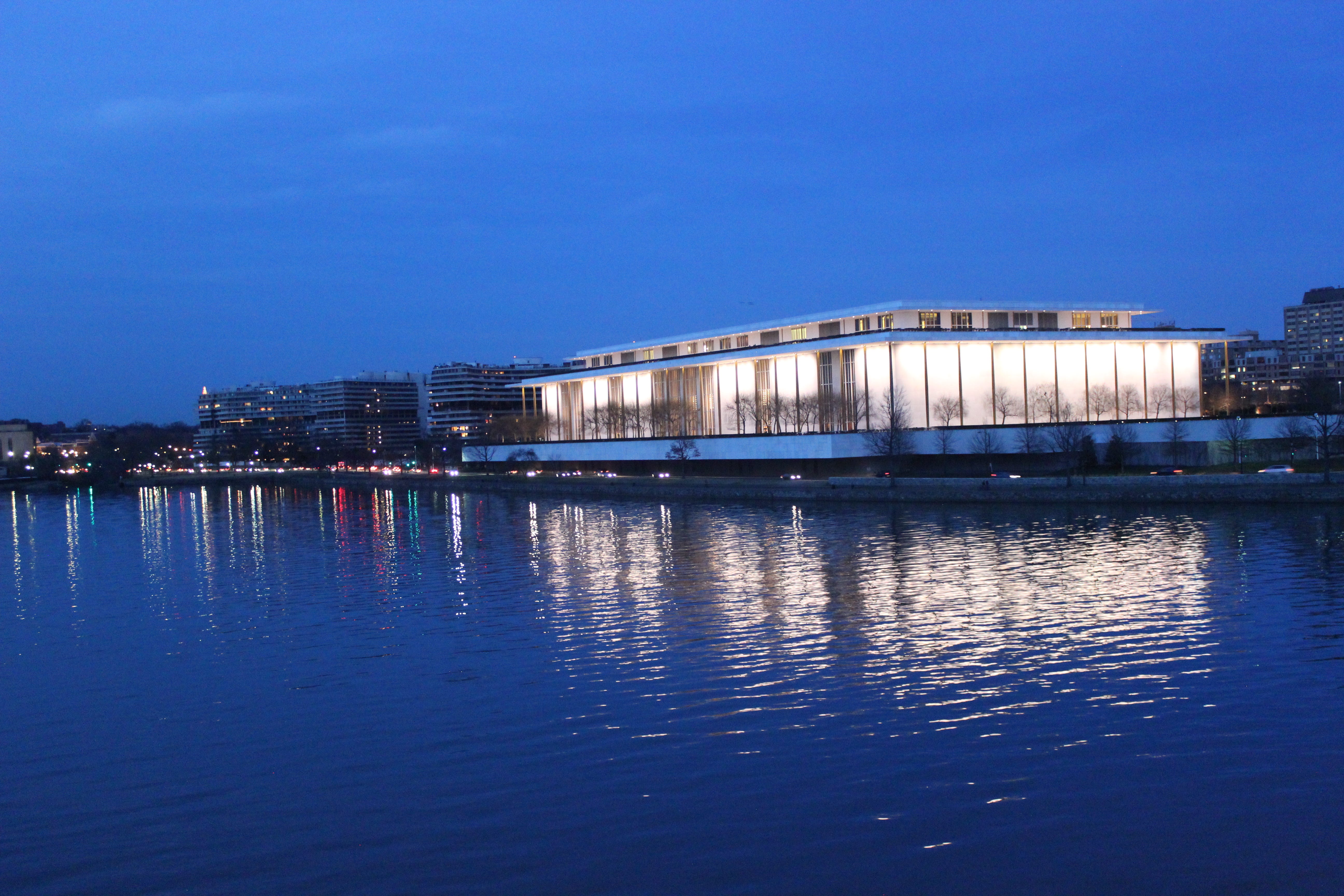
The President’s Box, however, was the only recognition of a sitting president at the Kennedy Center — since it was founded. The center was named for President John F. Kennedy, who, before he was assassinated, supported a flourishing of music and the arts in Washington, D.C. President Kennedy and first lady Jacqueline Kennedy supported the arts not for personal aggrandizement or political gain but because they understood the importance of free artistic expression in a democracy.
The United States today could be abandoning that politically neutral vision for the arts. We are vulnerable to a pattern that is all too common when representative democracies shift toward authoritarianism: conflation of the arts with politics, and use of the arts to promote governing political parties and government officials.
Throughout my career, I have published and lectured on the worst example of this phenomenon, which, thankfully, does not resemble the current situation in the United States and hopefully never will. My 2008 book and my subsequent publications address the tight collaboration between the Nazi regime and prominent artistic figures, including the famous Berlin Philharmonic Conductor Wilhelm Furtwängler.
What happened in Nazi Germany shows exactly why heads of state should not control our cultural institutions. Artists, no matter how talented, betray a fundamental purpose of art, namely freedom of human expression, if they allow themselves to be used for government propaganda. As cultural critic Terry Teachout wrote in his review of my book, Furtwängler, became “Hitler’s Accompanist” and was complicit in reducing Germany’s cultural legacy to ashes.
I speak out now about what happened then because I never want it to happen here or in any other country. Politicization of the arts all too often accompanies authoritarian rule. Some observers minimize this risk — even today Furtwangler is admired by some classical music enthusiasts who do not understand the great damage he did to classical music, and more importantly to the lives of millions, when he conducted the Berlin Philharmonic under the swastika while Germany’s top brass sat in the front row and Jewish musicians who once were in the orchestra languished in concentration camps or had already perished.
Whenever I hear revisionist history of that era, I repudiate it, including in a well-publicized incident here at Minnesota when I testified for a 2024 Minnesota state Senate investigation of antisemitism. Never again means never again, and part of making sure of that is resisting every urge to use the arts as an instrument of political propaganda.
In a letter I wrote the trustees of the Kennedy Center this week, I urged that the trustees remain true to the founding principles of the Kennedy Center and of our country. They should reopen the Kennedy Center as soon as it is safe to do so, not allow the name of a sitting president or any other present occupant of a public office to be displayed on the building, and insist that artistic programming at the center is free of political interference. And then, as before, the Kennedy Center should invite the president to sit in his box with his staff, family, and friends to enjoy the performances that we once did, recognizing that the center is a monument to artistic free expression in American democracy.
Karen Painter is a professor of music at the University of Minnesota and was director of research and analysis at the National Endowment of the Arts during the George W. Bush administration.