


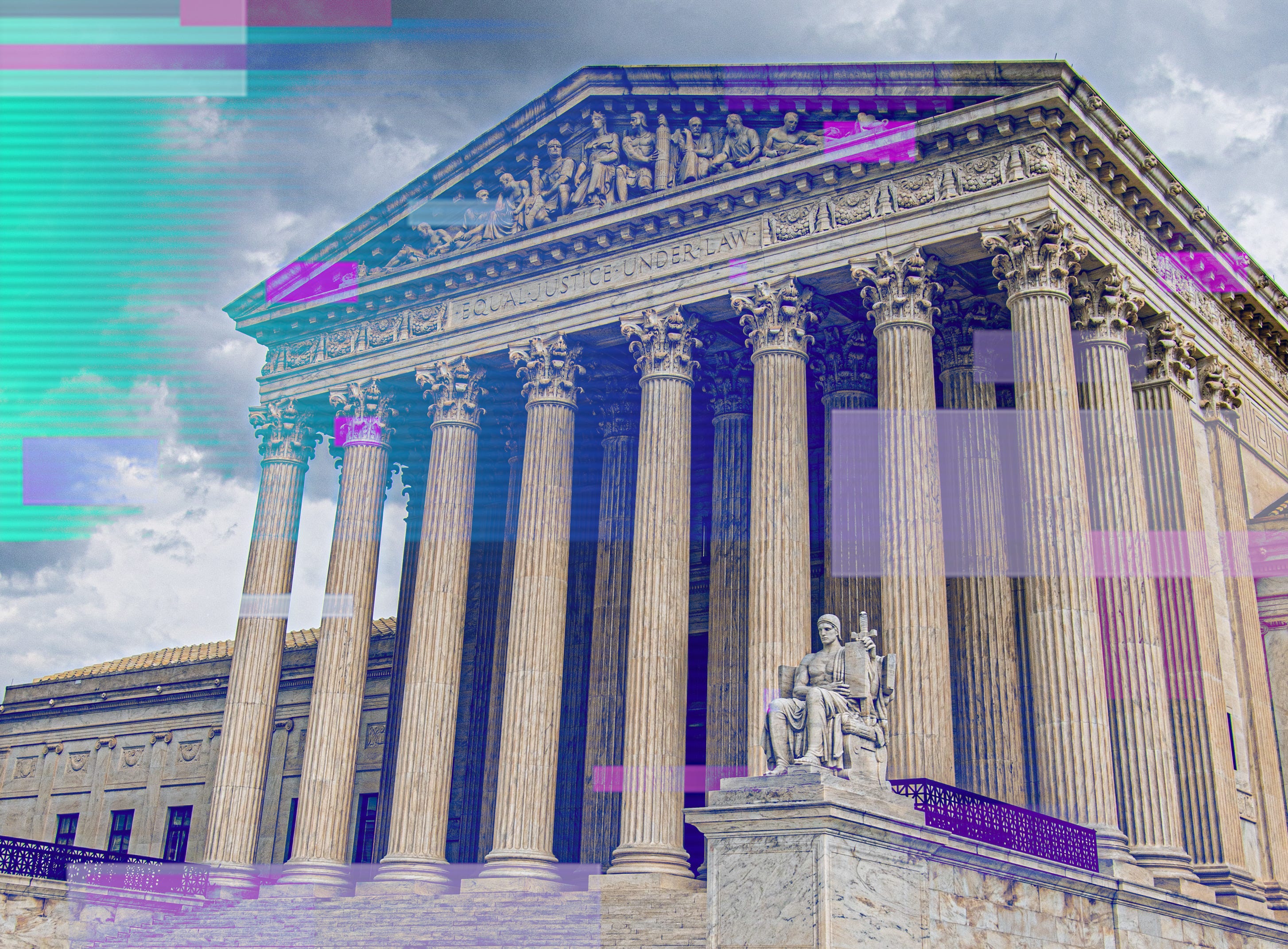
Three weeks ago in Oakland, Elon Musk and Sam Altman began a bitter trial to decide the fate of OpenAI, a company the former friends had co-founded in 2015. Technically at stake was whether Altman had deceived Musk in converting the corporation from the non-profit they had agreed to when Musk initially invested. The clash of egos entranced Silicon Valley watchers, but so did the larger issues swirling around the case: questions over AI guardrails, ethics, and governance that remain pressing for OpenAI and their industry peers. Such questions will have to wait, either for the appeal Musk’s lawyer requested or through other avenues such as legislation.
To underscore just how abrupt today’s outcome was, after three weeks of reviewing a decade of subpoenaed emails, testimony from a Who’s Who of AI heavyweights — including fellow OpenAI co-founders Ilya Suskever and Greg Brockman — and OpenAI’s corporate co-owner, Microsoft, being called into the fray to describe their financial relationship, the jury took 2 hours to reject Musk’s claim. Their reasoning? The event on trial, Altman’s supposed duplicity, occurred outside the three-year statute of limitations.
It’s the legal equivalent of a prize fight being decided on a pre-match technicality. Hyped up with marketing and trash-talk, viewers in the millions paying to watch. And on fight night, one boxer weighs in at the wrong weight class. No bout — it’s over before the first punch is thrown.
To do our readers the service they deserve, here is some of what remains to adjudicate about AI, just not by these combatants.
Power was on trial in Oakland, both in the struggle between Musk and Altman and also in the general sense. American courts tend to focus on monopoly as a catchall measure of corporate overreach. Yes, we regulate industries like nuclear energy and telecommunications differently, but it remains to be clarified exactly what AI is and how it must be controlled. OpenAI recently agreed to share information with the government that can be used for civilian mass surveillance and weapons development; such actions suggest that AI should face the same scrutiny as more regulated industries like defense. While Wall Street delights in the industry’s market momentum, many others are troubled by its lack of standards and limitations.
Infrastructure follows from power. As AI explodes in size, one option before the federal government is to categorize the hardware and software driving it as a national asset. This could protect citizens from predatory hacking products but also create a grey area around what is and isn’t strategic to the national interest. AI-driven identity analysis should perhaps not be in private hands. Other systems may simply make sense to nationalize, like an open-source LLM that could reduce reliance on OpenAI and Anthropic. Regardless, we should expect a shift in power from Washington to Silicon Valley that we haven’t seen since defense contractors first set up next to the early chip fabricators in the late 1950’s. This comes on the heels of the tech sector’s massive investments in the 2024 elections in the form of a move westward of thousands of state and local representatives in organizations like the GovTech Center, headquartered in San Jose.
The most obvious domain the trial failed to address is that of legal guardrail for AI product safety. There is an emerging corpus of case law that holds model makers liable for extreme cases, such as the suicide of users whose interaction with AI models can be shown to have exacerbated their mental health conditions, but enforceable legislative guidelines remain absent.
The economic future of AI also remains far from clear. The basic contours of the financial angle come from the unique nature of AI as a tool that can learn, absorbing knowledge and industries as it goes. The highest valued company today is NVDIA, the dominant manufacturer of the chips on which AI models run, despite a strong case that it and other such hardware companies should have much lower multiples. The relationship between market valuation and enduring profitability also remains an open question from the software side; with OpenAI and Anthropic making noise about going public later in 2026, we may soon know more about the hard value behind the hype.
Today’s anticlimax was not the last. State and federal courts’ dockets will increase in activity as AI’s social, political and economic integration continues. This is likely not the last battle of the billionaires.
Reuben Steiger is a writer and entrepreneur based in Princeton, NJ. Over a 25-year career he has helped start companies including Second Life and has led global innovation for companies including Interpublic and Omnicom. His current focus is the scaling and adoption of AI technologies. He collects books about the future.
