

By Jeff Nesbit
After months of threats of a transatlantic trade war, the Trump White House and the European Union have struck a deal. But the “deal” isn’t what President Donald Trump’s economic team is selling.
The U.S.-E.U. agreement sets a new 15% tariff on hundreds of billions of dollars in European goods entering the United States. The administration has framed it as a "giant deal," a negotiating victory that will supposedly generate hundreds of billions in revenue for the U.S. Treasury.
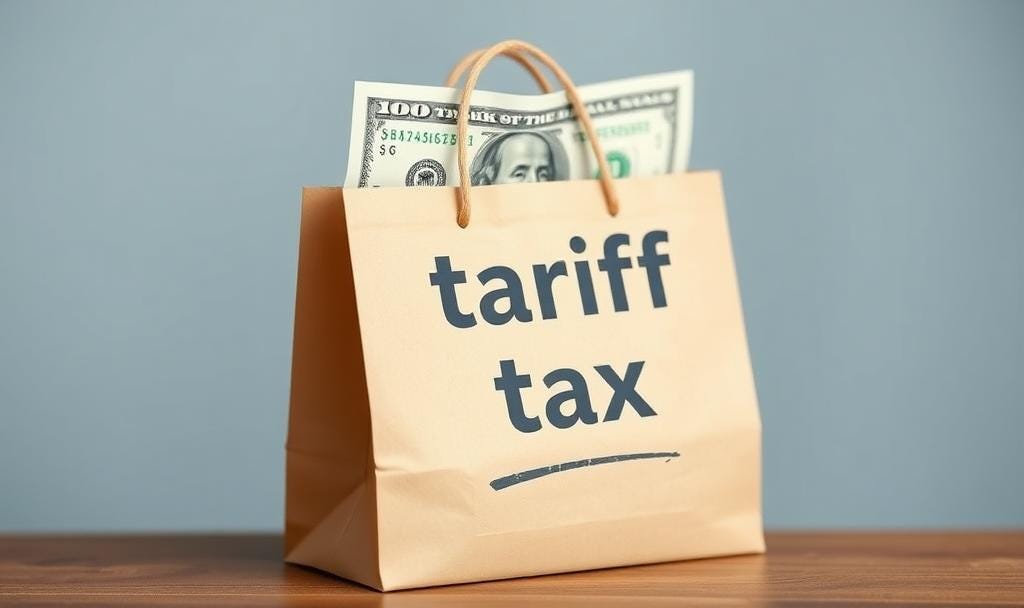
But behind the “deal” lies a stark economic reality that every American family and business needs to understand. According to news reports citing recent trade data, U.S. companies imported roughly $610 billion in goods from the E.U. last year. This 15% tariff is not a fee that Europe will pay. It is a direct tax that American importers will shoulder and then, inevitably, pass on to consumers in the form of higher prices. The bill for this deal is arriving, and it’s addressed to the American people.
To understand why, let’s forget the political spin for a moment and just follow the money. The term “tariff” sounds remote, a matter of international commerce. In practice, it functions as a simple tax.
Imagine an American car dealership imports a German-made sedan with a manufacturer’s cost of $40,000. Before this agreement, according to the World Trade Organization, the average U.S. tariff on EU goods was a mere 1.5%, and the tariff on imported cars was 2.5%, or $1,000 for that $40,000 car.
Now, when that same car arrives at a U.S. port, the American import company must pay the U.S. Treasury 15% of its value—a staggering $6,000.
That American car dealership will not simply absorb a $6,000 loss per vehicle. To stay in business, it will build that cost directly into the price. The car that might have been listed on the lot for $45,000 will now have to be sold closer to $51,000 to cover the new tax and maintain a profit margin.
The U.S. government gets its revenue, but the money comes from the American car buyer’s pocket. A tariff is a tax by another name. In this case, it’s the equivalent of a national sales tax added on top of your other household and consumer taxes.
Even if the Treasury does collect new revenue, the only critical question to ask that matters is this one: from whom? This isn't a check written from Brussels or Berlin; it’s a transfer of wealth from American households and businesses to the federal government.
This isn’t a theoretical exercise. The price hikes will be felt across the country. Germany's chancellor welcomed the deal because it averted an even worse 30% tariff threatened by Trump, but the new 15% rate will still make German cars significantly more expensive for American buyers.
As one of our largest sources of imports, the E.U. provides a vast array of products that will now cost more. As noted in news reports, everything from French cheese and Italian leather goods to Spanish pharmaceuticals will see a price increase. Even with carve-outs for some products, the broad-based nature of the tariff ensures the impact will be widespread.
Ireland’s prime minister was right that the deal will “have an impact on trade between the EU and US, making it more expensive and more challenging.” That challenge falls squarely on American businesses that rely on European supply chains and the consumers who buy their products.
While averting a full-blown trade war is a relief, you can’t mistake de-escalation for a victory for the American consumer. We have traded the threat of a devastating economic conflict for the certainty of a significant, long-term tax increase on everyday goods. And when the “deal” fanfare fades—and it will fade—the 15% surcharge on our purchases will remain.
So, when you hear the word “tariff” in the coming weeks, remember what it really means: tax. A tax is a tax, and you’ll be the one paying it.
Jeff Nesbit was the public affairs chief for five Cabinet departments or agencies under four presidents.