

By Roberto Valadéz
The United States, under the Trump Administration, has turned from the United Nation’s most benevolent funder into an ardent antagonist—one whose rhetoric strikes at the very core of the organization’s legitimacy. At the 80th convening of the UN General Assembly, America’s president took the global stage to posit a stinging rebuke of the institution: “What is the purpose of the United Nations? The UN has such tremendous potential...it’s not even coming close to living up to that potential.”
This campaign of disparagement capitalizes on a profound disconnect. For Americans, the UN operates out of sight. Unlike citizens of developing nations who witness tangible improvements brought by UN services—via functional aid and healthcare systems—the everyday life of a U.S. resident is untouched by its life-saving missions. This lack of direct experience creates an information vacuum, rendering a significant portion of the public highly susceptible to narrative manipulation. In this void, the Trump Administration’s politically motivated assaults gain traction, especially among his base.
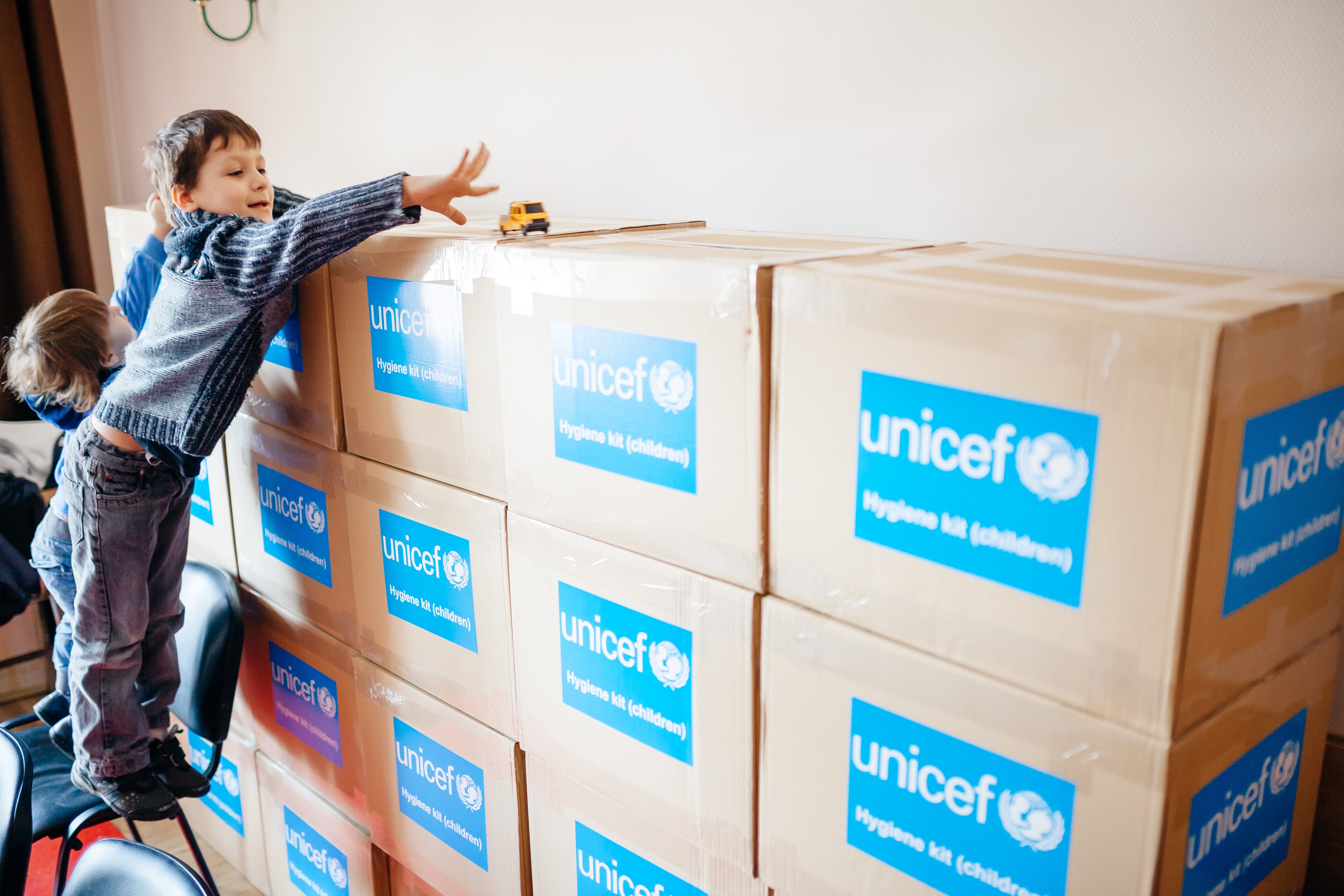
The UN’s actual legacy of achievements is etched into the very fabric of our modern world. Its health agency, the World Health Organization (WHO), spearheaded the global eradication of smallpox, a disease that had tormented humanity for millennia. UNICEF has helped to halve child mortality rates since 2000 through life-saving health services and education. The Universal Declaration of Human Rights remains a beacon of moral aspiration for all nations, recognizing every human as “born free and equal in dignity and rights”. These victories were not accidental; they are irrefutable proof of what is possible when the world unites—stewarded by UN agencies that work tirelessly behind the scenes.
And therein lies the problem. The UN’s modus operandi of humble perseverance, though admirable, is gravely inadequate to offset the public’s eroding confidence in its efficacy and relevance.
Throughout the General Assembly, the UN’s social media, which should be a vital mouthpiece to amplify its stature and counter misinformation, instead mimicked the aspirational platitudes of a fortune cookie and detailed mundane facts about the UN composition (e.g. The UN has 6 official languages, there are 193 Member States). The approach feels staggeringly unaware of the existential crisis the UN finds itself in. If your house is on fire, do not begin polishing the good china.
A more formidable, frankly self-promotional communications strategy is essential to counter the false narratives of a former reality TV star turned head of state. And the key to any successful strategy is knowing one’s audience. In this case, the American public.
To counter the seductive narrative of the United Nations as a bureaucratic failure, hamstrung by its own ineffectiveness, the UN must treat the American people as principal shareholders in a multilateral venture, entitled to transparent, consistent, and compelling reporting. It should emphasize the “Return on Investment” (ROI) in human capital, showcasing quantifiable metrics we can hang our hat on (e.g. vaccines dispersed, mouths fed)—a clear feedback loop to remind Americans of the precise deployment of their tax dollars and the resultant humanitarian impact.
The UN should also target the MAGA community in an effort of moral alignment. This segment of the American population, which claims to champion Christian ideals and family values, needs to see their core beliefs mirrored in the UN’s operational mandates. The aim will not be to challenge their identity, but to connect the dots between their stated moral compass and the tangible outcomes of UN efforts: saving the lives of the most vulnerable children (James 1:27), providing sanctuary for refugees (Leviticus 19:33-34), and fighting famine (Matthew 25:35, 40)—actions that embody fundamental tenets of compassion, stewardship, and charity. By showing its successes as a realization of these shared values, the UN can provide a compelling alternative to manipulative political rhetoric, replacing suspicion with a sense of pride and moral ownership in the world-changing work their nation funds.
To be clear, this engagement would not be an endorsement of political whims, but a strategic imperative. Given the U.S. has historically provided the lion’s share of the UN’s funding, it is strategically necessary to view the American people—including the MAGA base—as vital investors in this global experiment. Though the U.S.’ current trajectory of withholding funds and cooperation actively works against the nation’s long-term diplomatic interests, America will continue to cut off its nose to spite its face if the UN does not champion its shared moral and financial ideals.
The United Nations is not a failed project; it is an unfinished one. A proactive public relations can communicate this. To yield the narrative now is to forfeit the institution’s utility precisely when we need it most. It must reclaim the narrative or risk validating the very claims of obsolescence that threaten its existence.
Roberto Valadéz is the former director of communications and special initiatives for the United Nations Ambassador for Global Health, where he led high-stakes global campaigns, including the office’s work on COVID-19. As the founder of True You, he now equips underestimated C-suite leaders with the tools to level up their leadership and amplify their impact by harnessing their authenticity.
Yes. Thank you. I wish more people would realize that fluidity anywhere will require fluidity in planning and feet on the ground.
I like your suggestions and hope they are implemented, especially with the ignorant president who does not know about what the U.N. actually does and has done.