

By Lourdes A. Rivera
Two of the most consequential judicial decisions of the year — so far — originated in Louisiana. Both go to the very core of whether and for whom democracy is real or an illusion.
Two weeks ago, the U.S. Supreme Court in Louisiana v. Callais, a case challenging Louisiana’s congressional map, rendered toothless the remaining shreds of the Voting Rights Act. The VRA made it possible for a record 62 Black people to serve in the 118th Congress, including 27 Black women. Sixty years ago, there were only four Black members of Congress. Within hours of the publication of the court’s decision, multiple Southern states began gerrymandering, focused on eliminating the same districts that sent these members to Washington, D.C.
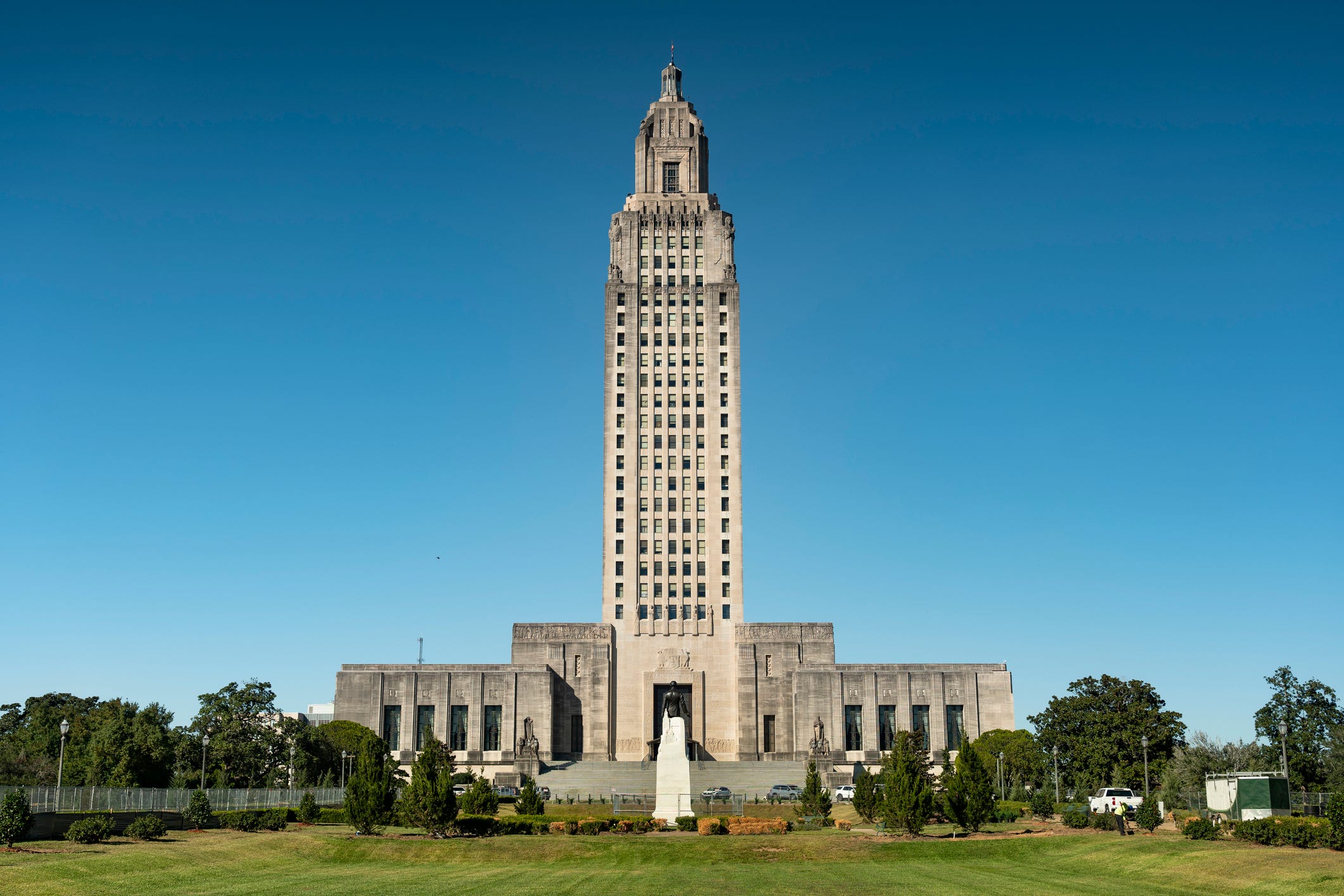
Just three days later, the Fifth Circuit Court of Appeals reinstated, at Louisiana’s request, an in-person dispensing requirement for mifepristone, one of two drugs in the nation’s exceedingly safe and most-used abortion medication protocol. Medication abortion via telehealth has been a lifeline for women for whom abortion care has been made inaccessible. Because the Supreme Court issued a stay last week, telehealth access to mifepristone remains until Thursday.
Voting rights and bodily autonomy are antithetical to the agenda of powerful conservative groups. Their goal is a concentration of power among white men, sustained by a social model of the white Christian, heterosexual family: husband as patriarch, a subservient wife, and as many children as possible. The woman, whose prescribed role is domestic, doesn’t work or have a profession outside the home and therefore does not need to pursue higher education. In fact, there is a growing faction of conservatives who go even further, openly questioning whether women should even retain the right to vote. This social order requires the elimination of power from anyone who would challenge it and demands the use of state police power to enforce it.
Louisiana stands out as a site of racial retrenchment. After the end of Reconstruction until 1990, through decades of white racial terror, Louisiana did not elect a single Black member of Congress, despite Black people comprising one-third to one-half of the state’s population during that time. Louisiana was one of two states that allowed non-unanimous jury verdicts, a system dating back to 1880 that, according to one of its proponents, was necessary to “establish the supremacy of the white race.” It functioned to dilute newly freed Black people’s roles on juries so that a regular supply of “convicts” would be available to support “convict leasing,” a practice akin to slavery. The practice remained until the Supreme Court ended it in 2020.
Louisiana is also a pioneer of reproductive brutality. Not only does it ban abortion with no exceptions for rape or incest, but it also was the first state to schedule abortion medications as controlled substances, requiring doctors to keep them in locked cabinets.
In 2024, the Louisiana Illuminator reported that doctors were performing timed drills to see if they could access these life-saving medications used for miscarriage management within two minutes, the time it takes for a woman experiencing a life-threatening pregnancy complication to bleed out. In another report, Louisiana doctors described performing unnecessary cesarean surgeries on women who were experiencing pregnancy loss “to preserve the appearance of not doing an abortion.”
Louisiana Attorney General Liz Murrill, who is behind this latest effort to ban telehealth access to mifepristone, has issued arrest warrants against doctors from New York and California who allegedly prescribed medications to pregnant women in Louisiana. All the while, Louisiana leads the nation in maternal deaths, is among the highest in preterm births, and has an infant mortality rate among babies born to Black mothers 1.5 times the rate of every other racial group in the state.
It should come as no surprise that this same movement believes that embryos and fetuses enjoy rights, immunities, and privileges under the U.S. Constitution from the moment of conception. As the Fifth Circuit held, Louisiana has suffered “irreparable harm” because telemedicine access to mifepristone “undermines [Louisiana’s] policy that every unborn child is a human being from the moment of conception and is, therefore, a legal person.” Never mind that once that “unborn child” is no longer a necessary tool of control over the pregnant woman, the state stops caring about it.
Black people, women, and Black women in particular are just not Louisiana’s kind of “legal persons” entitled to full participation in society or even worth saving from preventable deaths. Last week’s decisions cannot be viewed separately. Rather, they march in lockstep toward a social order that further concentrates power among white, Christian men while (some, read: white) women are allowed only to bear their children or die trying.
Lourdes A. Rivera is the president of Pregnancy Justice, a national legal and advocacy nonprofit that advances and defends pregnant people’s rights — no matter if they give birth, experience a pregnancy loss, or have an abortion.
I think the architecture of the Louisiana house says it all.
Very well said Lourdes Rivera!