


Weeks before the November midterm elections, Democrats are reminding anyone who will listen this Labor Day of the economic pain under the current leadership of this country.
People from all walks of life and political parties are deciding who best represents them. Yet, for the working class, remarkably few politicians fit the bill.
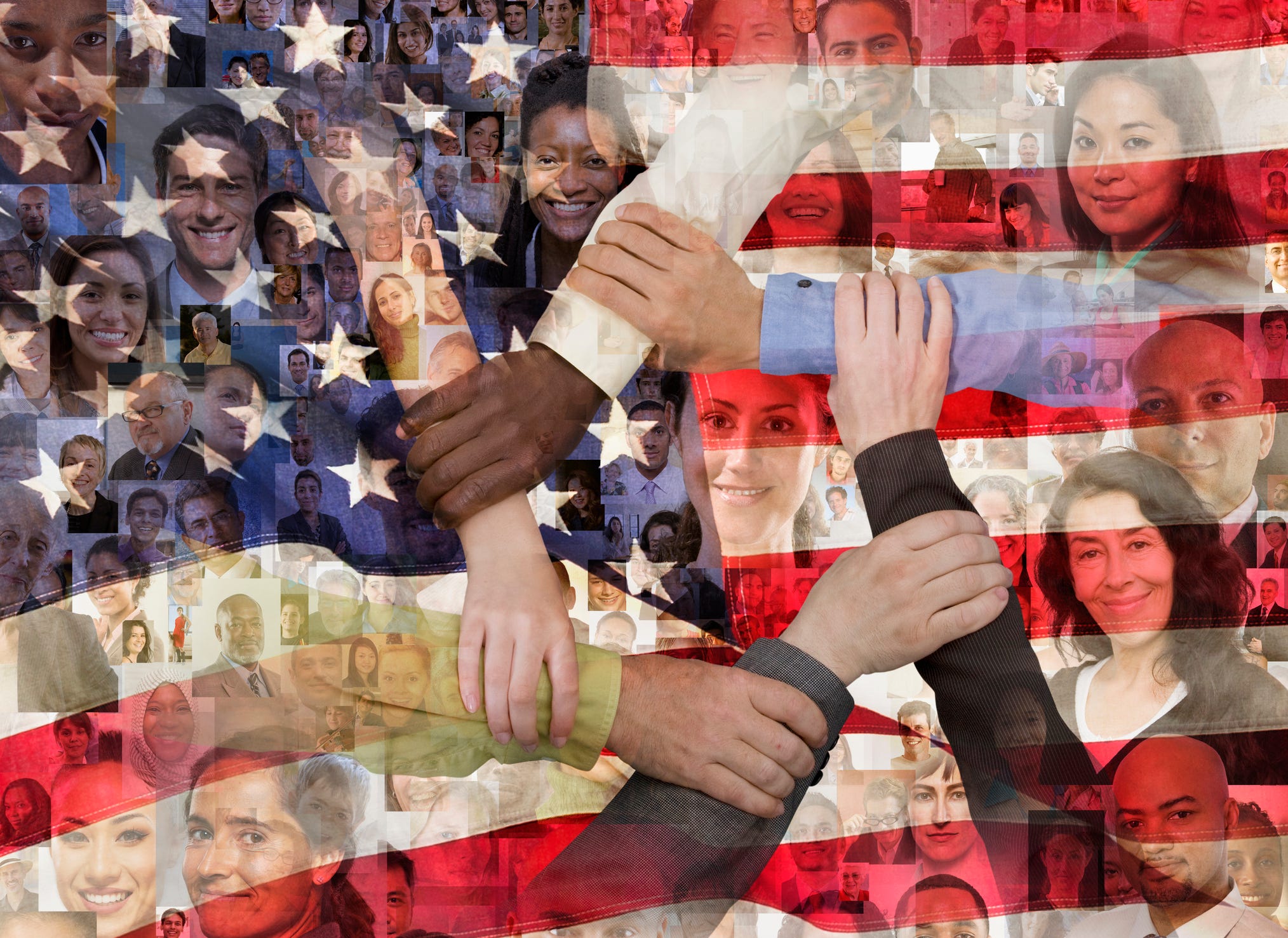
A new report from the American Academy of Arts & Sciences, “How to Elect More Working-Class Americans and Why It Matters,” finds throughout all of U.S. history, there has never been a session of Congress in which more than 2 percent to 3 percent of legislators had a working-class job when they got into politics: “Working-class Americans make up more than half of the U.S. labor force, yet are almost entirely absent from elected office.” The study also found that fewer than 2 percent of state legislators had working-class jobs as their main or most recent occupations.
Who in elected office advocates for the working class?
The report, based on 15 years of research, showed that the problem isn’t a lack of interest or qualifications. Instead, the time, money, and personal resources required to run a campaign create significant barriers for people who cannot afford to step away from their jobs or absorb the financial risks of running for office.
This matters a lot. Over the past two years, the working class has been hit the hardest by the affordability crisis, and the White House has yet to fully acknowledge the impact of inflation on the nation’s labor force. Democratic Strategist’s recent survey “How Affordability Crisis Hits Working Class Hardest” showed that one in three Americans skipped a meal to save money — up from one in four in a June survey. Democratic Strategist also found:
Nearly three in 10 delayed or went without medical care due to cost.
Roughly half tapped into their savings to meet daily expenses.
More than eight in 10 think prices will continue to climb under Trump.
How does this play out in today’s economic climate and in the workforce?
Marc Morial, president and CEO of the National Urban League told me, “Current policies have been devastatingly damaging to not only Black workers but to all workers - from the DOGE cuts to the anti-DEI policies to the Big Ugly Bill (Big Beautiful Bill), to tariffs plus much more.” Morial, an economic civil rights leader, added, “Life is more expensive, and pathways for people to advance are choked by an obsession with billionaires and self-enrichment.”
Maryland Gov. Wes Moore (D), chair of the National Governors Association, highlighted the fact that “hundreds of thousands of Black women have lost jobs “ in the Trump administration 2.0.
The Rev. Shavon L. Arline-Bradley, president & CEO of the National Council of Negro Women, explained how devastating that loss of jobs is. “Black women’s labor has always been essential to the prosperity, and progress of this country. Although Black women consistently hold standing as one of the most educated populations on record, we continue to confront unequal access to opportunity and economic security,” she said. “With the unemployment for Black women at over 5.6 percent, the realities of issues like wage gap continue to burden Black women. For every dollar earned by a white non-Hispanic man, Black women working full-time, year-round earn 65 cents.”
We have work to do. “Honoring Black women’s labor means protecting their jobs, closing racial and gender wage gaps, ensuring safe and fair workplaces, supporting caregiving families, and expanding pathways to leadership and wealth,” Bradley said. “NCNW is committed to ensuring that Black Women on this Labor Day understand they deserve an economy that values their full contribution and lasting impact on the American Dream.”
The employment and affordability crises are not footnotes but a significant fact drowned out by the continued chaos across the nation, created by an administration that acts without regard for the middle and working classes, including the significant numbers who are unemployed or underemployed.
Last month at the Delta Sigma Theta Sorority, Incorporated’s Eastern Regional Convention in Baltimore, Moore encouraged the crowd — mainly Black, college-educated women — to work in their communities to get people to vote in the midterm elections in November.
The governor highlighted the acute impact of this administration’s policies on Black women and how they aggravate their labor pains in the workforce.
Morial agrees. He said the impact is “severe,” highlighting “one measure — Black joblessness tells the story…. Six hundred thousand Black women who have been sacked — qualified hardworking women who followed the rules at every step!”
“We must reverse these destructive policy choices at once! So VOTE, BABY, VOTE,” said a laser- focused Morial.
Today is Labor Day, and September is National Workforce Development Month. So, as candidates court the working-class vote, asking for their votes this November, the question is not simply which party workers will choose. It is whether the people asking for their votes understand their economic pain and why so few Americans who have lived that pain ever make it into elected office themselves.
April Ryan, host of The Contrarian’s The Tea With April Ryan, is the longest-serving Black woman reporter in the White House press corps. She is the author of “Black Women Will Save the World,” “The Presidency in Black and White: My Up-Close View of Three Presidents and Race in America,” “Under Fire: Reporting from the Front Lines of the Trump White House,” and “At Mama’s Knee: Mothers and Race in Black and White.”