

Roberto Valadéz
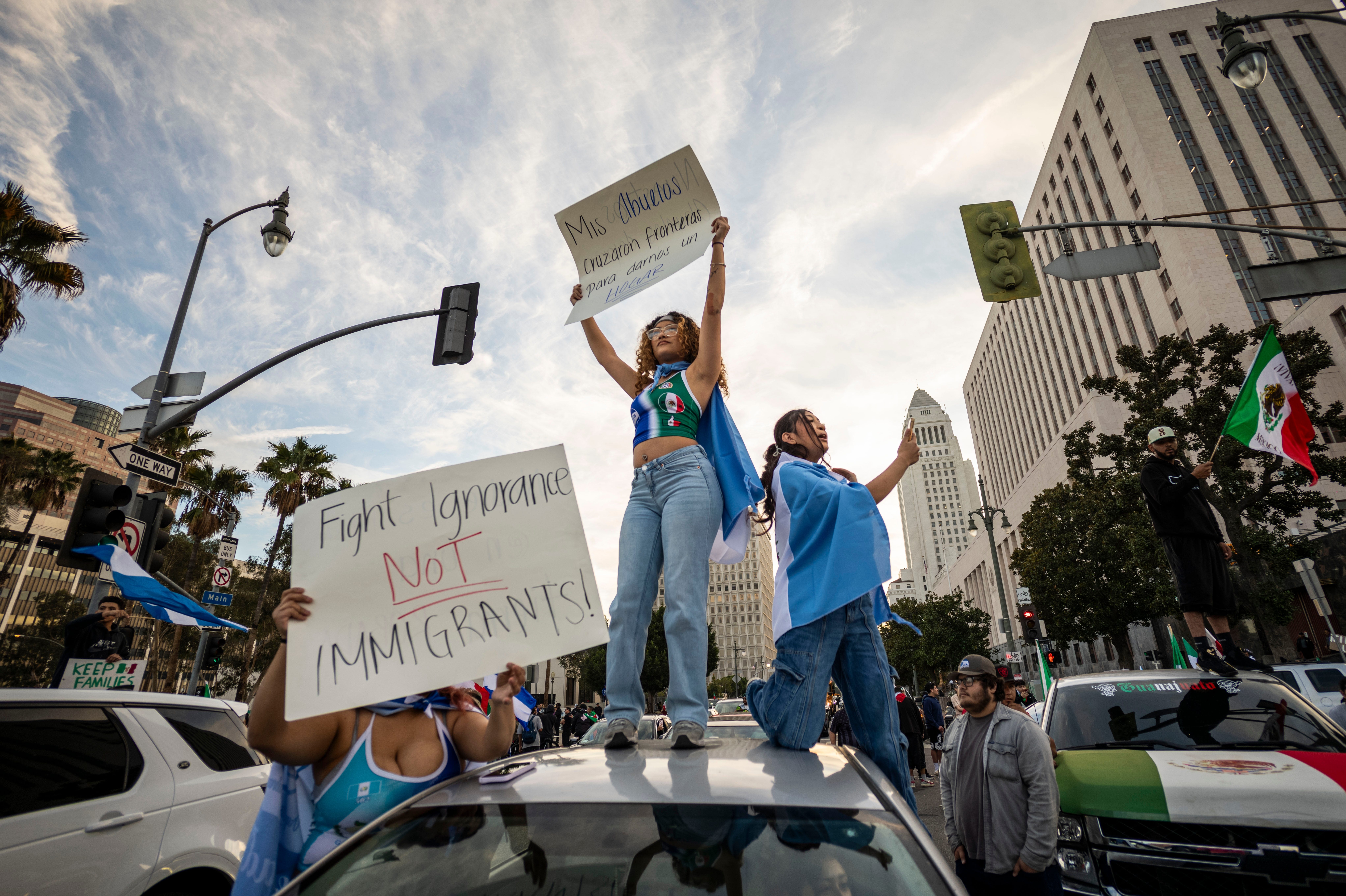
In communities across the country, a silent epidemic is spreading: fear. Aggressive federal immigration enforcement has children and families living in constant dread of being disappeared—a sense of threat heightened by the start of a new school year, when parents and children fear that a simple walk to the bus stop could lead to their family being torn apart.
“Epidemic” isn’t a metaphor. The harrowing physiological effects of fear on children are well-documented. When a child experiences fear, anxiety, or trauma, their ability to learn is fundamentally compromised. The stress response, designed for survival, floods the body with cortisol, impairing brain function related to memory, attention, and emotional regulation.
The National Scientific Council on the Developing Child reports that “early exposure to circumstances that produce persistent fear and chronic anxiety can have lifelong consequences by disrupting the developing architecture of the brain… [and] affect how children learn, solve problems, and relate to others.” If children continue to live in high-stress circumstances, they gain heightened risk for heart disease, substance abuse, depression and post-traumatic stress disorder (PTSD) later in life.
In Los Angeles, an epicenter of increased ICE deployment, school districts are doing everything they can to mitigate the fear day-to-day, from creating and patrolling “safe zones”, distributing “family preparedness” packets and providing resources for legal aid. This is an admirable act of defiance and compassion. But schools shouldn’t have to be a sanctuary from our own government.
And even if these initiatives succeed in making children feel safer, the sobering truth remains: schools cannot guarantee the protection families need. Many school administrators anticipate a significant drop in school attendance, which would compound the epidemic’s harm. When a child is absent, they fall behind academically, miss critical developmental milestones, and become less likely to graduate. This doesn’t just affect individual children and families; it weakens our entire society. A less-educated workforce means lower productivity, reduced innovation, and a diminished tax base for years to come. The Trump Administration’s short-sighted immigration policies are actively eroding the very economic engine that they claim to protect.
To be clear, the current trend of immigration enforcement affects every child across the nation. When children see images of armed agents on the news or hear stories of their friends disappearing in the neighborhood, a collective anxiety takes hold. This fear transcends ethnicity and immigration status. And it raises the haunting yet inevitable question: “Could this happen to my family?”
We must do better for our children and shift our priorities to invest in our nation’s future. The flood of armed ICE agents is one more manifestation of an ongoing prioritization of military strength over educational excellence—a fundamental misalignment for a country that has historically led on the world stage through ingenuity and innovation. Currently, the U.S. lags behind other developed nations in key rankings including reading, science, and mathematics. Federal spending on education, training, employment, and social services only accounts for 3% of the federal budget, a stark contrast to the 13% allocated to military spending (larger than the next nine countries’ defense budgets combined). While national security is a crucial priority, a well-educated workforce and a strong economy are vital for prosperity.
The writing is on the wall. We cannot build a strong future on a foundation of fear. We cannot have a functional society, let alone a healthy economy, if our children are afraid. It is time we recognize that our children’s well-being is not peripheral to public policy but a central pillar of our collective prosperity. Our nation’s future is being written in our schoolyards, and right now, the promise of tomorrow is bound by fear.
Roberto Valadéz is the former director of communications and special initiatives for the United Nations Ambassador for Global Health, where he led high-stakes global campaigns, including the office’s work on COVID-19. As the founder of True You, he now equips underestimated C-suite leaders with the tools to level up their leadership and amplify their impact by harnessing their authenticity.
The thugs who took down the Über driver in DC not only looked like thugs, they acted like thugs. It also looks to me like they initiated the violence by taking him down so they could beat on him and electrocute him.
Every one of those thugs looked to me like they had no prior law enforcement experience whatsoever and they joined the convicted felon's Gestapo only so they could legally mistreat people. It doesn't look like it's just a racist thing on the part of these thugs, because many of them are black and brown themselves. Just like Hitler's Gestapo, they joined the convicted felon's Gestapo simply for the joy of being able to mistreat others.
Great article! So heartbreakingly true and so important for the government to wake up!