


Earlier today, the Fifth Circuit Court of Appeals heard oral arguments in State of Louisiana et al. v. Food and Drug Administration et al., a federal lawsuit targeting mifepristone, one of many in a long line of attacks on abortion pills. In this case, the court is being asked to force the FDA to reimpose in-person dispensing requirements, effectively blocking all avenues for obtaining mifepristone — including by mail, via telehealth, and at pharmacies. (During the pandemic, the FDA temporarily allowed abortion pills to be prescribed via telehealth, a rule the Biden administration made permanent in 2023.)
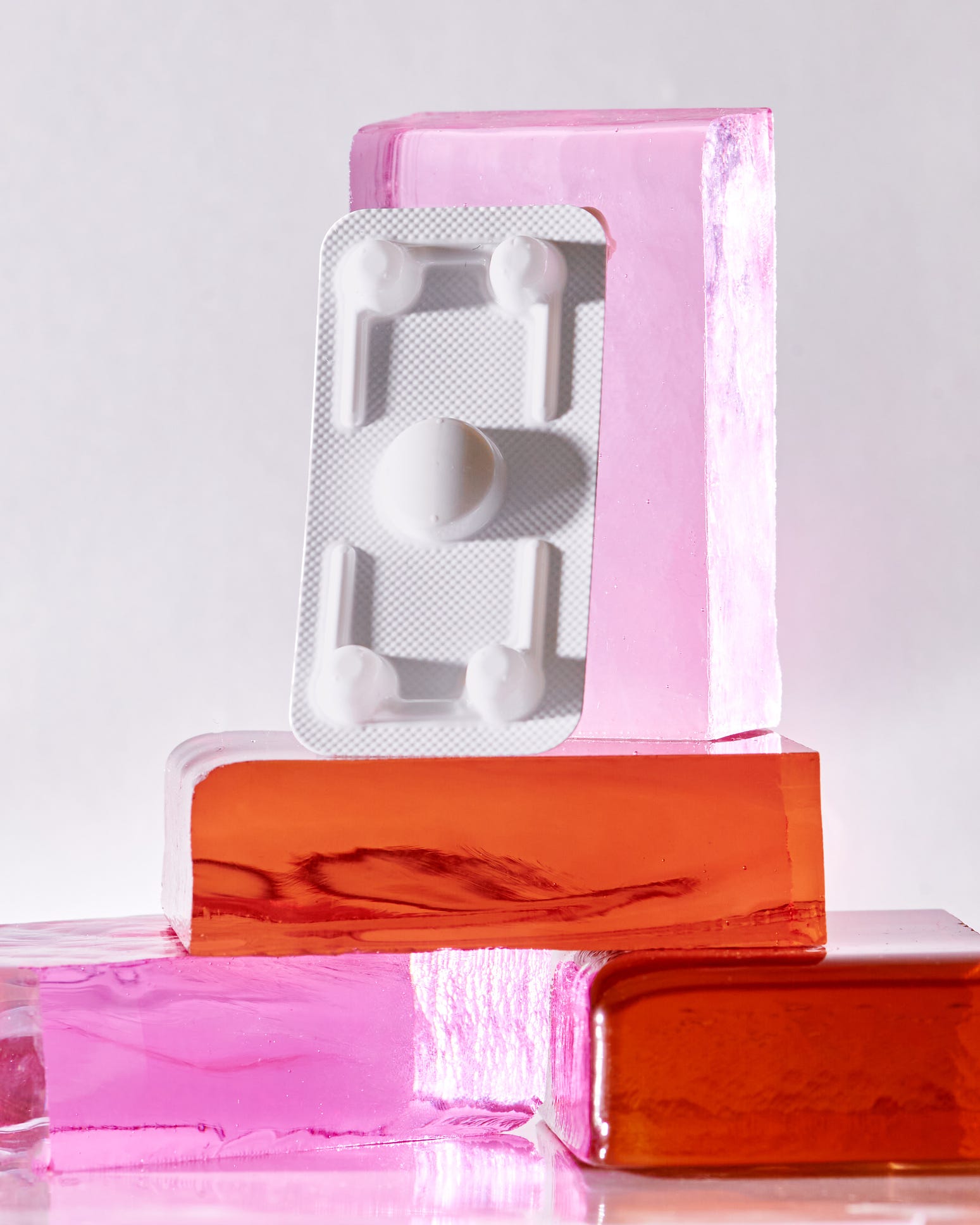
Make no mistake, Alliance Defending Freedom, the anti-abortion group that brought the case, aims to end access to the medication for everyone in the country — whether they live in a state that allows abortion, and whether they are taking the pills for any other purpose, including miscarriage management.
Not surprisingly, the case has sowed chaos and confusion at every turn. Recall in May when the Fifth Circuit ordered the FDA to temporarily reimpose in-person dispensing requirements during litigation — a ruling that the Supreme Court ultimately stayed on technical terms. But given the track records of both benches, there is good reason to worry that we will likely see “anti-abortion ideology [put] over facts and science,” so says a public statement issued by the Guttmacher Institute.
Meanwhile, a new FDA report on mifepristone is forthcoming — a so-called safety review, despite decades of research and overwhelming evidence that it is safe and effective.
The mifepristone pile-on is the anti-abortion movement’s desperate response to the reality that even in a post-Roe America, the number of abortions hasn’t decreased — in part because of telehealth and mail access to mifepristone. According to Guttmacher, more than one in four clinician-provided abortions in the United States were via telehealth, with 91,000 abortion pill prescriptions sent by mail to states with bans; the vast majority of medication abortions (98 percent as of 2020) are by mifepristone (combined with another medication, misoprostol).
It also reflects deep frustration on the part of the Trump administration whose members know full well that the issue is an electoral loser. The Justice Department thus far has declined to swing for the fences in any of the lawsuits, though during his confirmation hearing Attorney General Todd Blanche pledged to commit resources to stop mifepristone from being available through the mail; then on a private call with faith leaders, he claimed, “the Dobbs decision [will become] permanent in every single state.”
Which is why, especially in the lead-up to the midterms, our ability to command the narrative and remind voters what’s at stake matters more than ever. For this piece, I checked in with Abortion Access Front (AAF), which is working alongside movement storytelling experts like We Testify, Shout Your Abortion, and Ultraviolet, to create a project called MifeStories — as well as colleagues at Ms. Magazine, which launched The Life I Built, a virtual bulletin board of reflections from readers of all ages about how access to abortion and reproductive care has shaped their lives.
Lizz Winstead, co-creator of the Daily Show and AAF founder told me, “No matter how the courts rule or how politicians or the FDA spread misinformation about mifepristone, they can’t rewrite 26 years of personal experiences using abortion pills. With MifeStories, we are building a record that comes directly from those who have used these drugs — either to end pregnancies, manage miscarriages or to stop life threatening conditions like sepsis. Our goal is to collect so many of them that their voices will be impossible to ignore.”
Among some of the hundreds of compelling testimonials posted on both sites:
“My aunt had to cross a picket line in Alabama to get her life-saving abortion. 30 years later, I was able to have an abortion safely and without harassment. It is a personal decision, and no one should have to justify their right to make the best choice for their future.” — Lizzy, Illinois
“The heartbreak from multiple miscarriages is hard, but medication abortion allowed me the space to process the grief on my own terms and in the privacy of my home.” — Molly, New York
“I was able to escape this abusive man. I felt extremely relieved. Medication abortion saved my life.” — Amarie, Texas
“I want others to know they aren’t alone and the experience allowed me to have a fuller life.” — Freya, Oregon
“Access to reproductive choices gave me the freedom to feel safe in a world and in a country where all of that is heavily discouraged, and in some cases prevented. As women, we know our worth can be a matter of life and death. — Nyanda, Connecticut
One final and important point to remember is that despite all the purposeful chaos, access to mifepristone will remain unchanged until the case reaches the Supreme Court. Beware social media hot takes and turn to the expert policy organizations like Guttmacher for information.
Jennifer Weiss-Wolf is executive director of the Birnbaum Women’s Leadership Center at NYU School of Law. She also leads strategy and partnerships at Ms. Magazine.

Nothing says Happy Rosh Hashanah a bit early like let's let all of the women die because they can't have the life-saving abortion after a miscarriage or an abortion for other reasons. *Rolls eyes in disgust at the trumplicans who want genocides.*
That’s exactly what they want.