


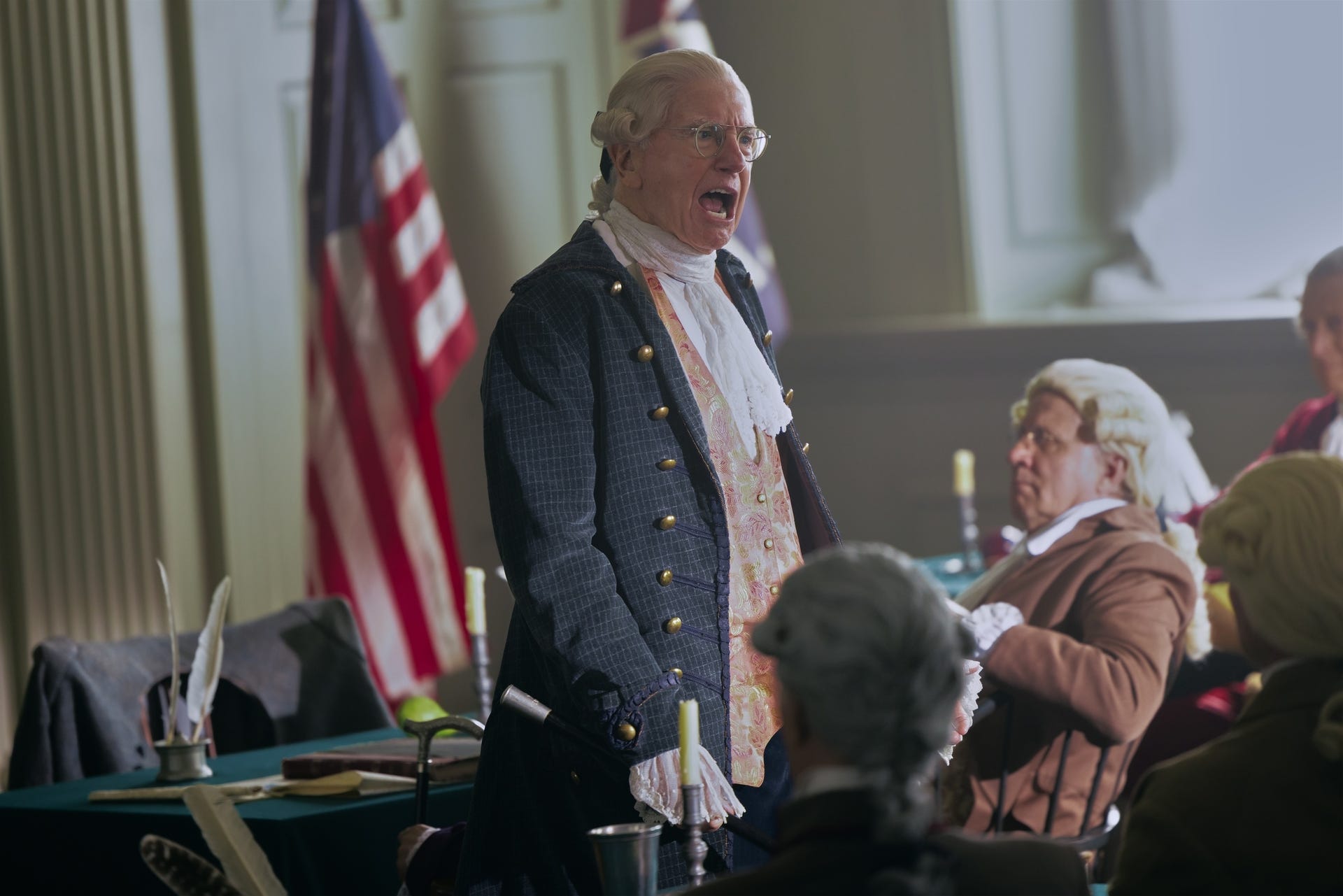
The last time the United States celebrated a major birthday, back in 1976, there were only three national TV networks, and cable was just beginning to be a thing. But it was the first major anniversary of that nascent TV era, and bicentennial fever was ubiquitous on the small screen.
Every night for two years, beginning in 1974, CBS rolled out Bicentennial Minutes, short educational films in which celebrities like Lucille Ball told viewers about events that had happened on that day 200 years earlier. Sitcoms like Maude, The Jeffersons, and The Mary Tyler Moore Show featured episodes that tapped into this widespread civic fervor. Even Saturday morning cartoons got in on the action, with a season of Schoolhouse Rock! about American history, which delivered the all-time banger “I’m Just a Bill.” In 1976, the wounds of Vietnam and Watergate were still fresh, but a shared popular culture helped create a sense of national unity — at least for the summer.
As the country heads into its 250th birthday next week, we face a much different reality. Our politics are quite possibly more divided than at any time since the Civil War, and we exist in a fractured media landscape that would have been unimaginable in 1976. The big three TV networks, which once powerfully shaped American monoculture, are now minor cogs in giant multinational conglomerates. Anyone with a smartphone and an internet connection has access to millions of movies, TV shows, and short-form videos. And, thanks to hyper-specific algorithms, a viewer is unlikely to be introduced to anything that doesn’t align with their interests or worldview.
The increasingly unpopular president, a creature of reality TV who has long craved (but mostly been denied) the adoration of big-name celebrities, accelerated this divide by planning his own highly politicized Freedom 250 celebration, featuring a series of concerts on the National Mall showcasing one-hit wonders from the ‘90s. But Trump has grown so toxic that even the guy from Milli Vanilli backed out of the event, leaving Trump and Kash Patel’s girlfriend as the biggest draws.
All of which makes this national anniversary feel like less of an opportunity to come together to celebrate and reflect on the meaning of democracy than a moment to retreat into our preferred cultural silos. And when it comes to 250th programming, there’s something for everyone — but nothing for all of us.
If you’re a history buff who missed The American Revolution, Ken Burns’ 12-hour magnum opus about our country’s violent origins, which aired on PBS this fall, can (and should) be watched online anytime you like. Without drawing explicit connections to the present day, the series will leave you with a deeper understanding of how we got into this mess.
For those who want more uncritically patriotic content, there’s Young Washington, a biopic about the early years of the country’s first president, distributed by Angel Studios, the “values-based” company behind the hit The Sound of Freedom. (In theaters July 3.)
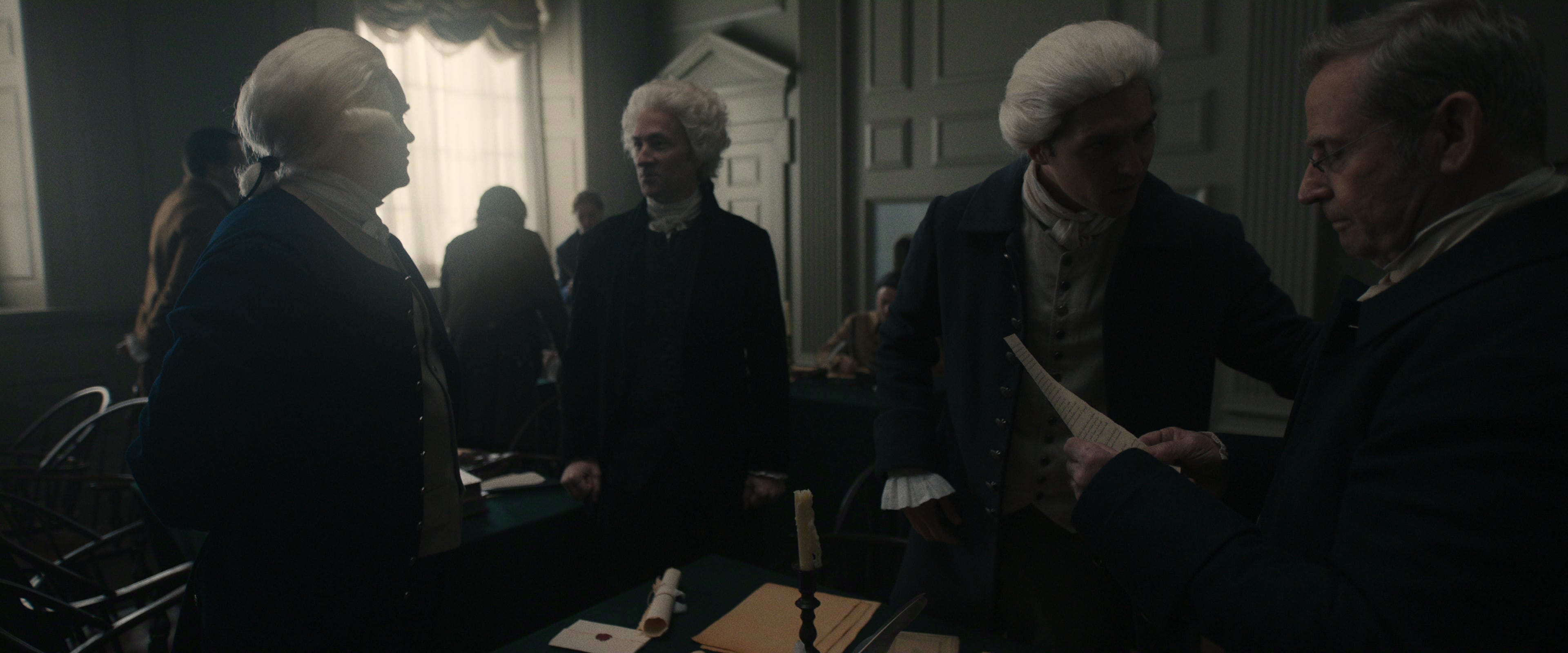
On Netflix, you can now stream The American Experiment, a painstakingly bipartisan documentary series from executive producer Tom Hanks. The first few episodes, which focus on the Revolutionary War, feel like a sped-up version of Ken Burns’ series, with copious maps and dramatic voice-over performances. (TV’s favorite president, Martin Sheen, plays George Washington). The American Experiment even features many of the same talking heads as The American Revolution, including Maya Jasanoff, Kathleen DuVal, and the late Gordon S. Woods.
Directed by Brian Knappenberger, the series gets more interesting in later episodes, which chronicle the ideological battles and often shameful compromises that went into the writing of the Constitution and the Bill of Rights. There are probably too many reenactments with actors in wigs wielding bayonets and quill pens, but given the lack of photographs or video from the era, this shortcoming is understandable. More vexing is the commentary from contemporary politicians — a scrupulously balanced mix of folks from the left and the right, including Kamala Harris, Hillary Clinton, Rand Paul, and Mike Pence, who earnestly extol the virtues of decency and bipartisan cooperation. A little political sincerity is not a bad thing, especially these days, but The American Experiment is so cautious that it ultimately doesn’t have an editorial point of view. Plus, it’s beyond maddening to hear Ted Cruz — a guy who still won’t admit that Biden won the 2020 election — pontificate about the dangers of hyper-polarization.
For my money, the most perfectly pitched show of this semiquincentennial moment is Life, Larry, and the Pursuit of Unhappiness, a sketch comedy series starring the chronically irascible Larry David. At a time when millions of Americans are feeling a little grumpy about the state of our democracy, David’s caustically funny, contrarian take on our national heritage feels cathartic.
Two years after bringing Curb Your Enthusiasm to an end after 20+ years on HBO, the beloved curmudgeon is back on the network, playing a barely-fictionalized version of himself who pops up at pivotal turning points in American history, ready to irritate the bravest and most visionary figures in our nation’s past. He adds his own set of grievances to an early draft of the Declaration of Independence. He talks to Rosa Parks so incessantly that she regrets sitting at the front of the bus. He “chat ‘n’ cuts” in a soup kitchen line during the Great Depression. He turns up, uninvited, at the Boston Tea Party — and immediately kills the vibe.
The series is executive-produced by Barack and Michelle Obama, and the former president introduces the first episode. “What truly makes America unique is the fact that we’ve always been a work in progress,” he intones with faux gravitas. “We’re not perfect, we can be irascible, petty, selfish, cheap, and let’s face it, some of us will always find something to complain about.” (Cue David’s entrance.)
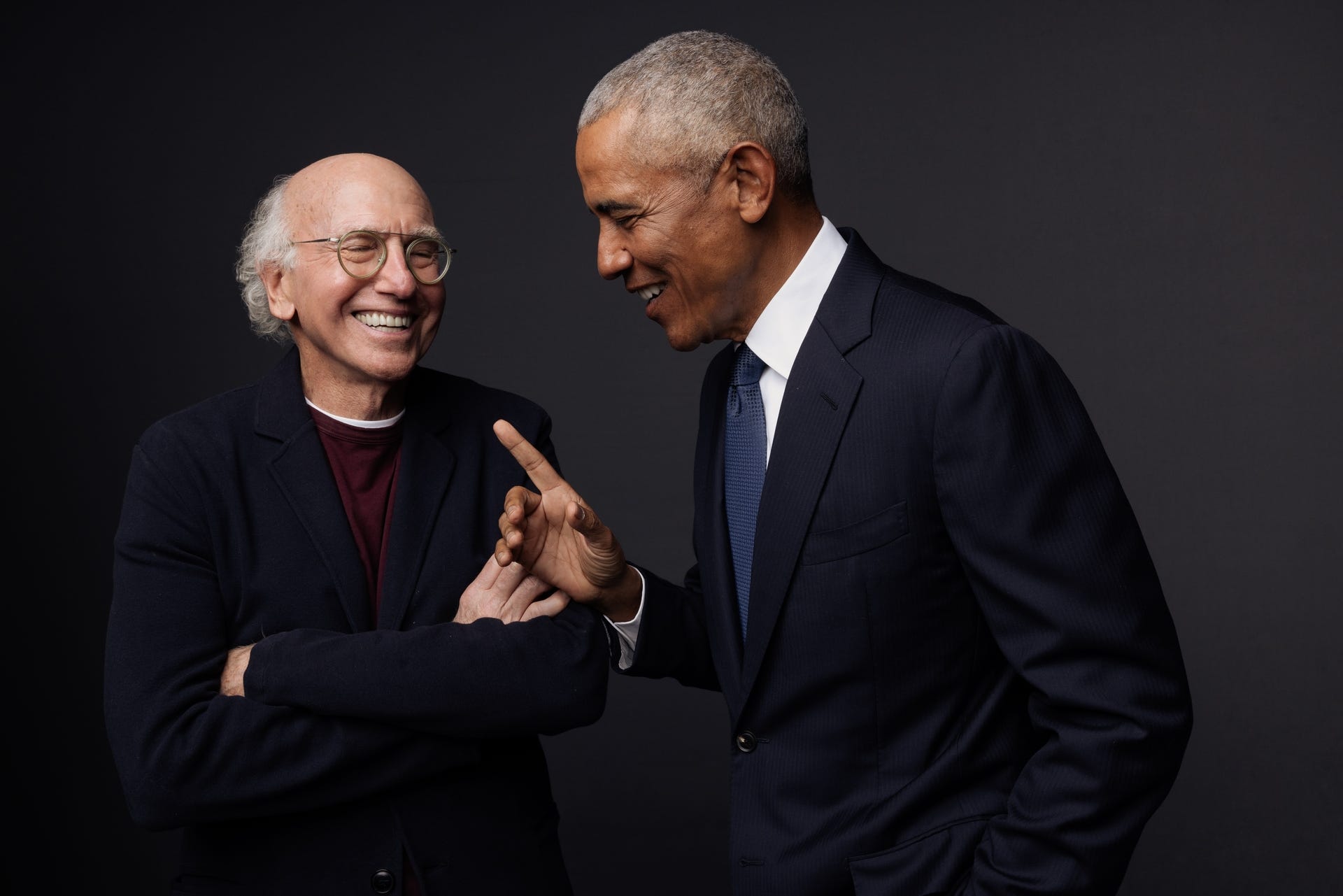
There are cameos from dozens of big-name stars, including Jerry Seinfeld (who plays Clark to David’s Lewis) and Lin-Manuel Miranda, who shows up as a revolutionary who finds Larry more unbearable than the British.
Written by David and Jeff Schaffer, the show doesn’t pretend to be educational. But if you watch with an open mind (and perhaps an open browser tab), you might learn something anyway, as I did when I fell down a rabbit hole about the disputed election of 1876. (Thanks to a sketch about the stupidity of the electoral college, in which David plays Democrat Samuel Tilden.) Another bit has fun at the expense of noted anti-Semite, Henry Ford.
Life, Larry, and the Pursuit of Unhappiness also has something to say about our current political malaise, and takes aim at the current administration in clever, bitingly funny ways. Episode 2 ends with a surprisingly poignant sketch that asks what happens when a president won’t accept the results of an election. (I am forbidden by HBO from saying more, but rest assured that it will infuriate Trump if he ever sees it.) A later episode celebrates the achievements of modern medicine while skewering a certain vaccine skeptic who happens to be married to David’s former Curb co-star.
Yet the most radical thing about the show isn’t its anti-Trump politics, but its irreverent tone. Across the political spectrum, there’s a tendency to look at the history of the United States, particularly its founding, with a whole lot of piety and not a lot of humor. David reminds us that even the greatest leaders and innovators can also be petty, self-interested, and peevish — and that complaining is as American as apple pie.
Meredith Blake is the culture columnist for The Contrarian
In regards to "I'm Just a Bill", The Simpsons did a send-up of this titled "An Amendment to Be". I thought it was hilarious then (early 90s) when it came out. Now I find it darkly funny because this is what the right is striving towards. https://www.youtube.com/watch?v=w8gt-EEpelY
FYi - PBS is replaying The American Revolution over the 4th of July weekend. Also, look for in reruns on PBS, Lucy Worsley Investigates: The American Revolution. It's only a 2 part series.