


The first photo I took in 2025 was of a recipe. Specifically, for vegan brownies I was making for a friend* who had been undergoing breast cancer treatment. After dropping a bag of them on her desk, I ate the rest, standing at my desk at 7:30 in the morning. Brownies for breakfast felt oh-so-2025.
As we reflect on the past year, here’s a roundup of the images that shaped America. From propaganda created by the Trump administration to independent photojournalists pushing back, images of rage, hope, devastation, joy, ambivalence, and progress shaped us—consciously and subconsciously—this year. Let’s dive in.
Starting with my least favorite photo of the year: Inauguration Day 2025. Many images that day were striking, but one stands out, especially looking back, as a visual foreshadowing of Trump 2.0. Prime seating was given to Meta CEO Mark Zuckerberg and his wife, Priscilla Chan; Amazon CEO Jeff Bezos and his now-wife Lauren Sánchez; Google CEO Sundar Pichai; Tesla/SpaceX CEO Elon Musk; Apple CEO Tim Book; and TikTok CEO Shou Zi Chew. This photo is all about context. This photo remains the first draft of history, detailing the lengths to which the president who, as a candidate, touted himself as a champion of the working class, surrounded himself with billionaires from his first day on the job. Nothing says oligarchy quite like this picture.
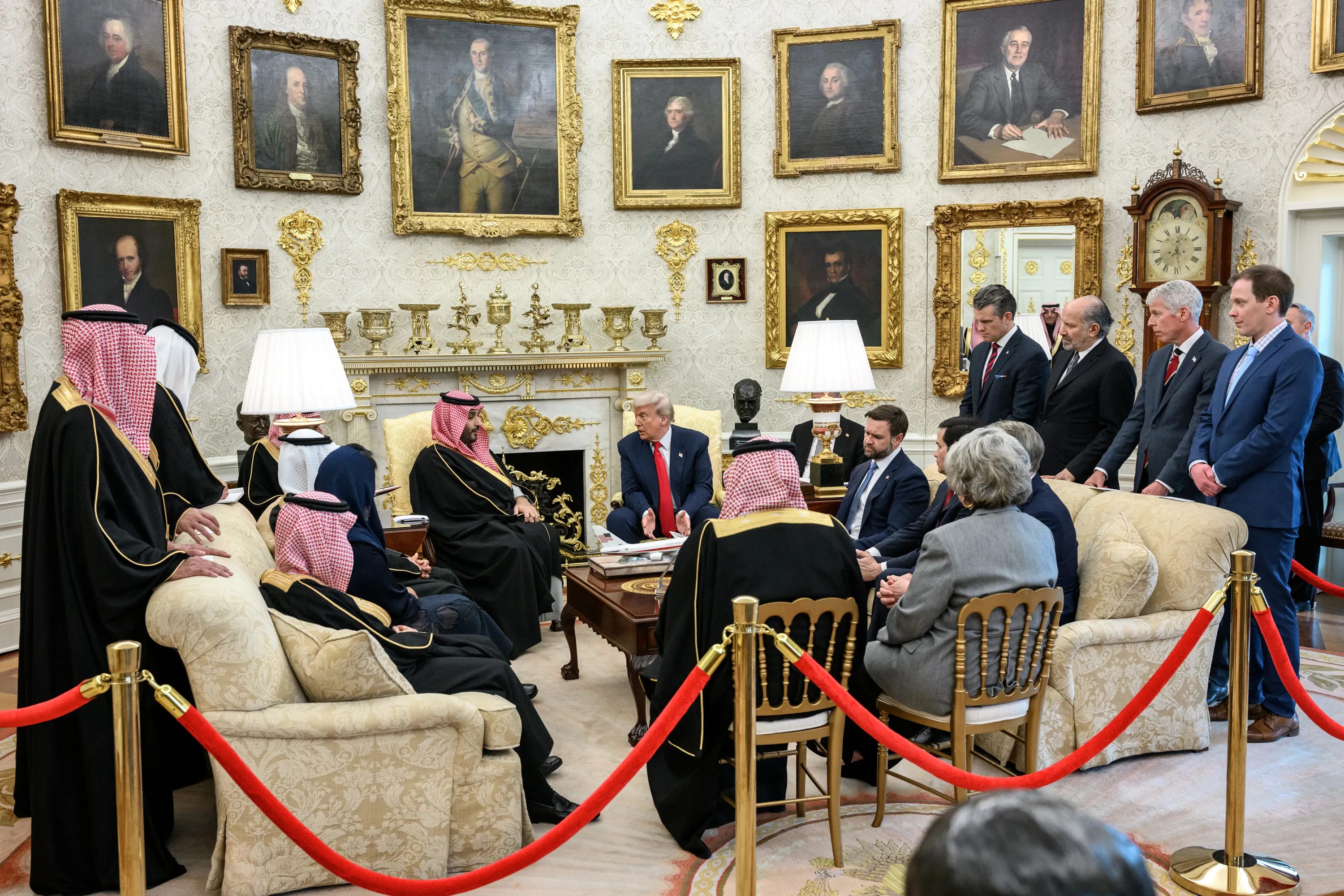
Another abominable photo further reveals and crystallizes Trump’s values (or lack thereof): redecorating the Oval Office with gold accoutrements. As I explored in a Contrarian video, President Donald Trump’s Oval Office decor is more visually aligned with dictators and royals than democratically elected leaders. The gold makeover reeks of gaudiness; it turns the White House, the “people’s house,” into a palace or a court, rather than the seat of democratic power. It focuses on his personal taste over a representation of the American people. Not only does it look and feel like a visual reference to royals and dictators abroad, it seems the President chose golden items that aren’t American: according to a Fast Company investigation, none of the gold items on the mantle were made in the USA.
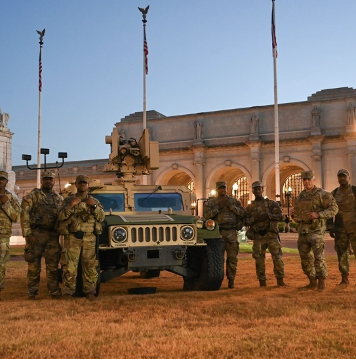
But the most dangerous photos that shaped this year revealed Trump’s agenda through visuals designed to normalize violence and military oppression. For example, the Department of Defense has used war-like imagery to showboat the National Guard’s occupation of Washington, D.C., and the potentially illegal strikes on civilian boats in the Caribbean. Both images come from official government social media channels, paid for by taxpayers. It is terrifying to behold how our government is using such propagandistic tactics to convince the public that our tax dollars ought to be spent this way. We must not become desensitized to this type of imagery. We must continue to call it out and speak up, for this does not represent us.

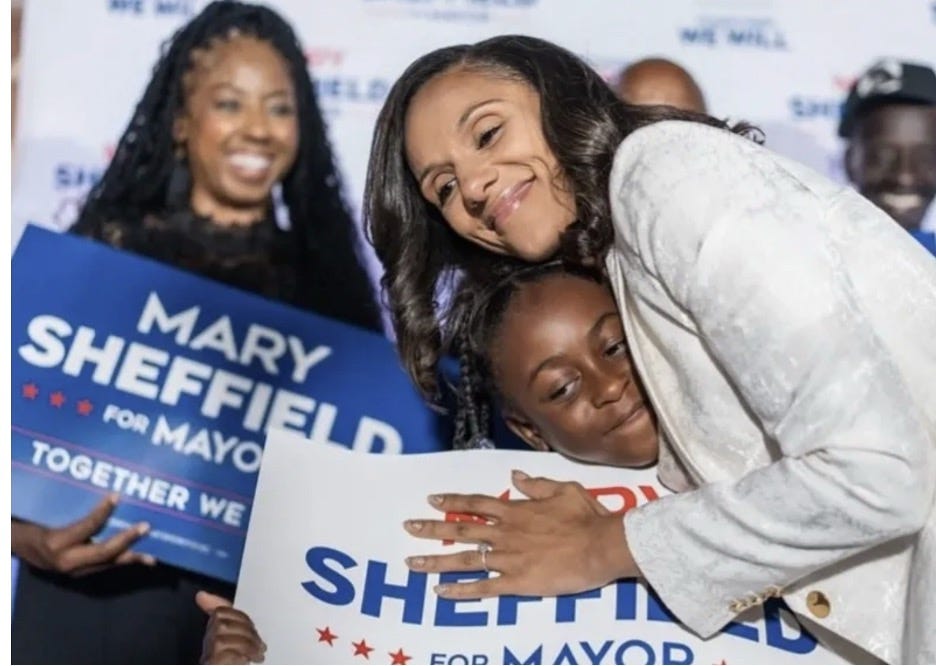
This was not just a year characterized by Trump and his policies. We felt hope, and that, too, was shaped by images. One of my favorite images of 2025 was this moment with Mayor-elect Mary Sheffield of Detroit and a young supporter. This photo sums up, for me, what we ought to look forward to in 2026: a new, energized generation of politicians inspiring the new, energized generation that will come after.
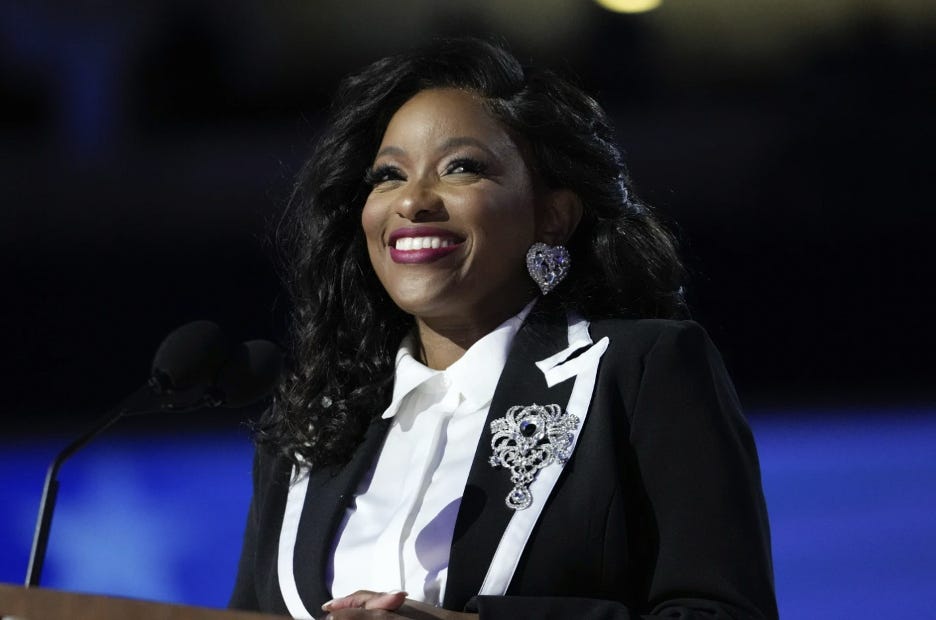
The last photo is a gorgeous hero shot of Rep. Jasmine Crockett. The images of her Senate campaign announcement are prime examples of feminist framing. In this example, she is center-framed from a low angle. The lighting radiates against her face, accurately portraying her skin tone. She is looking up, evoking a sense of hope and progress. She smiles, not mid-speech, but taking a moment to appreciate the crowd. This photo was used widely for news coverage of her Senate run announcement. I was heartened to see how news outlets (shockingly, including Fox) used an authoritative and dignified image to lead the story. Going into 2026, I wonder—dare I say, hope!— that no matter your politics, we can all agree: women who run deserve their fair shot. That starts with the visuals.
Contrarians, if you’ll indulge me with an “honorary mention” photo of 2025—it’s this one, taken by Nina Zacuto, of Contrarian founders Norm Eisen and Jennifer Rubin (center), Jennifer Weiss-Wolf (right) and yours truly taking a selfie at the Ms. Magazine awards earlier this month in Los Angeles (you can read Weiss-Wolf’s brilliant piece on feminists and authoritarians here).
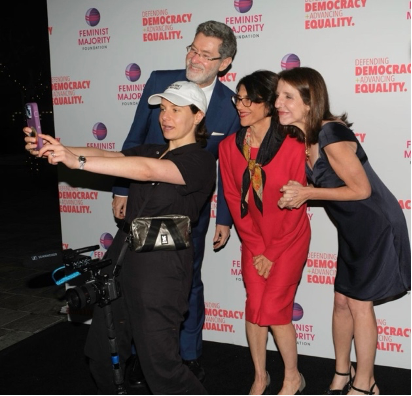
Trust that in every corner of the country, Contrarians find each other. The holidays might feel lonely for you, especially if you have a differing political opinion from those with whom you’re celebrating. Remember you’re not alone. Remember that this community, thanks to Norm and Jen’s leadership, resists together. Remember that part of fighting for our democracy includes a period of rest. And maybe a plate of brownies, too.
*She has since completed her treatment, and in the holiday spirit, we’d love for you to read her story and consider donating to the BCRF.
Azza Cohen (she/her) is an award-winning documentary filmmaker who served as Vice President Kamala Harris’s official videographer in the White House. She recently founded a production company with her wife, Kathleen, and is writing a book about visual sexism from a cinematographer’s perspective. Uncover and address visual sexism alongside Azza every other week here on The Contrarian and on Instagram and Bluesky. The New Yorker distributed her film “FLOAT!” in 2023.

Azza, I have come to really appreciate your columns. They are always eye openers. Happy Holidays to you.
Mary Sheffield, Jasmine Crockett and all of the Contrarians are gorgeous! Those are all great photos!