


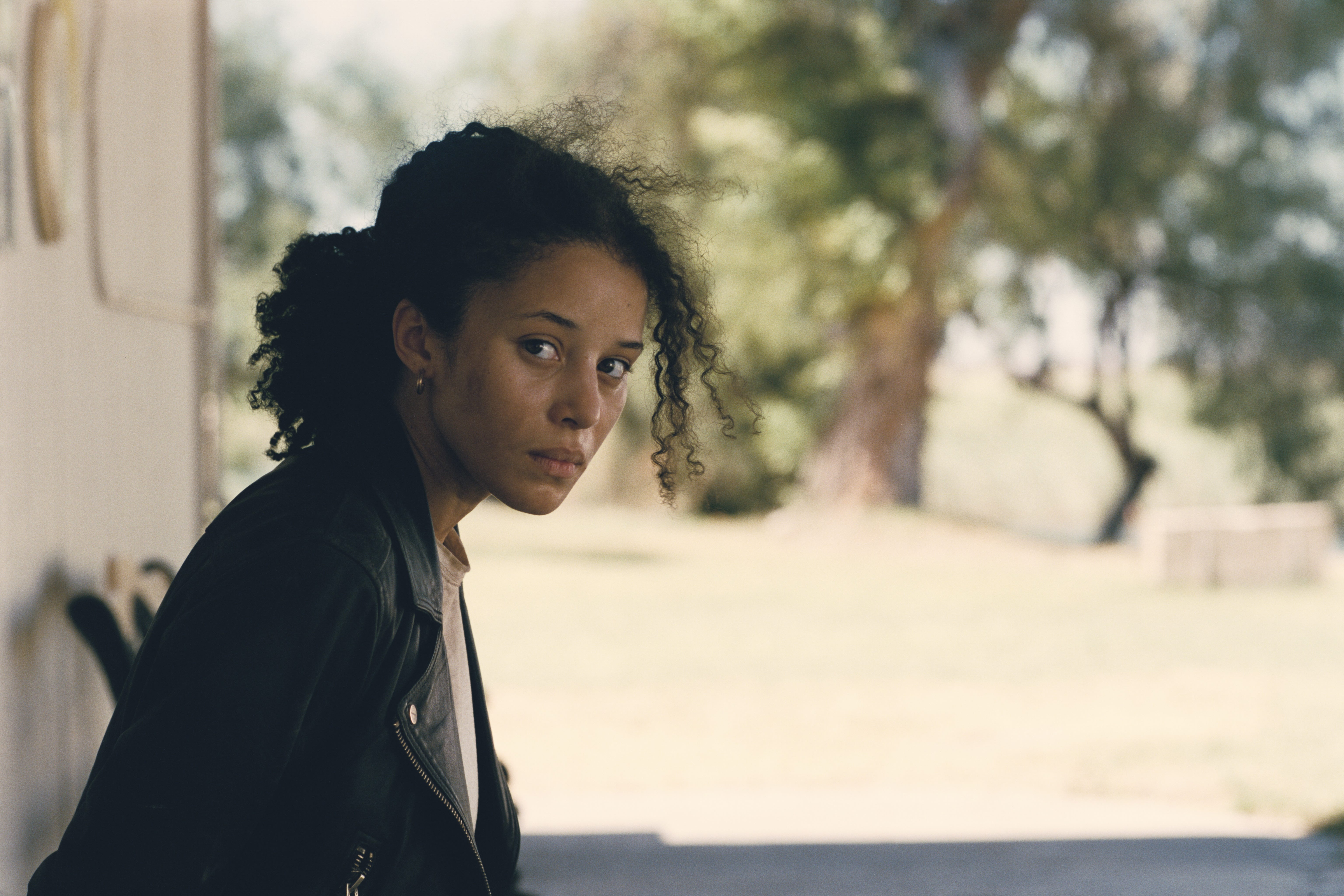
It was the moment that casting professionals in Hollywood have been dreaming of for decades.
On Sunday, the Academy of Motion Picture Arts and Sciences handed out the very first Oscar for achievement in casting to Cassandra Kulukindis for One Battle After Another, Paul Thomas Anderson’s sprawling political thriller.
She dedicated her award to the unsung casting directors “who never got a chance to get up here, who didn’t even get a chance to get their name on the movie.”
Casting professionals have long struggled for credit in an industry where directors reign supreme — literally. It was once unheard of for a casting director to get their own card in the titles of a movie, and to this day (in most American studio movies) they receive a “casting by” attribution (rather than “casting director”).
Yet their contributions have helped transform American movies. As chronicled in the excellent documentary Casting By, legendary casting director Marion Dougherty helped future screen icons like Dustin Hoffman, Robert Redford, and Glenn Close land early roles, and pushed filmmakers to hire actors based on their abilities rather than (merely) their looks. In the early ‘90s, a group of movie bigwigs like Clint Eastwood and Al Pacino tried to get her an honorary Oscar, to no avail.
But in the decades since, the casting community has been advocating for an Oscars category recognizing their essential and widely misunderstood work. In 2013, the Academy finally added a casting branch. This year, a shortlist of ten films was whittled down to five nominees: One Battle After Another, a political thriller starring Leonardo DiCaprio and Sean Penn; Hamnet, a tearjerker about William Shakespeare’s family life, led by Jessie Buckley and Paul Mescal; The Secret Agent, a drama about an ordinary man (Wagner Moura) forced to go into hiding in 1970s Brazil; Sinners, a horror story set in the Jim Crow South in which Michael B. Jordan played identical twin brothers; and Marty Supreme, starring Timothée Chalamet as a ping pong player in midcentury New York.
All great movies in very different ways. But how do we know what good casting is, anyway?
To get some answers, I called two experts: Destiny Lilly, president of Casting Society, and a casting director for film, theater, and TV; and Richard Hicks, a casting director for film and TV and the casting directors branch governor of the AMPAS.
“No fingerprints”
“One thing I often say is when casting is sublime, it disappears,” says Hicks, whose credits include Zero Dark Thirty. “It’s not hard to understand why people haven’t been in the habit of understanding that there’s a person behind that magic moment, behind that alchemy.”
It’s easier to notice casting when it doesn’t work. “It’s like a bump in the road, and it slows down the audience’s perception” of the story, he says.
Lilly agrees. “People notice it when it’s bad, or when they think people are miscast, more than they notice when it’s good,” she says. “When it’s good, it just feels effortless. It leaves no fingerprints.”
Casting tends to get overlooked, even within the industry, because it happens so early in the filmmaking process, long before most other departments have started work. “By the time the film has been shot, edited, and released, that could be a year or two years,” Lilly says.
Out of necessity, it’s also a process that’s kept confidential, which only adds to the mystery. “We can’t have everyone watching the casting process. It wouldn’t be a respectful way to engage with the actors,” Lilly says.
This confidentiality also means that few people know what goes into casting any given film.
“It essentially happens in a private conversation between the casting director and the producer and the director,” Hicks says.
One Battle After Another boasted DiCaprio and Penn in leading roles. They’re Oscar-winning movie stars who’d be at the top of pretty much any director’s dream list, but casting is about much more than landing the biggest names.
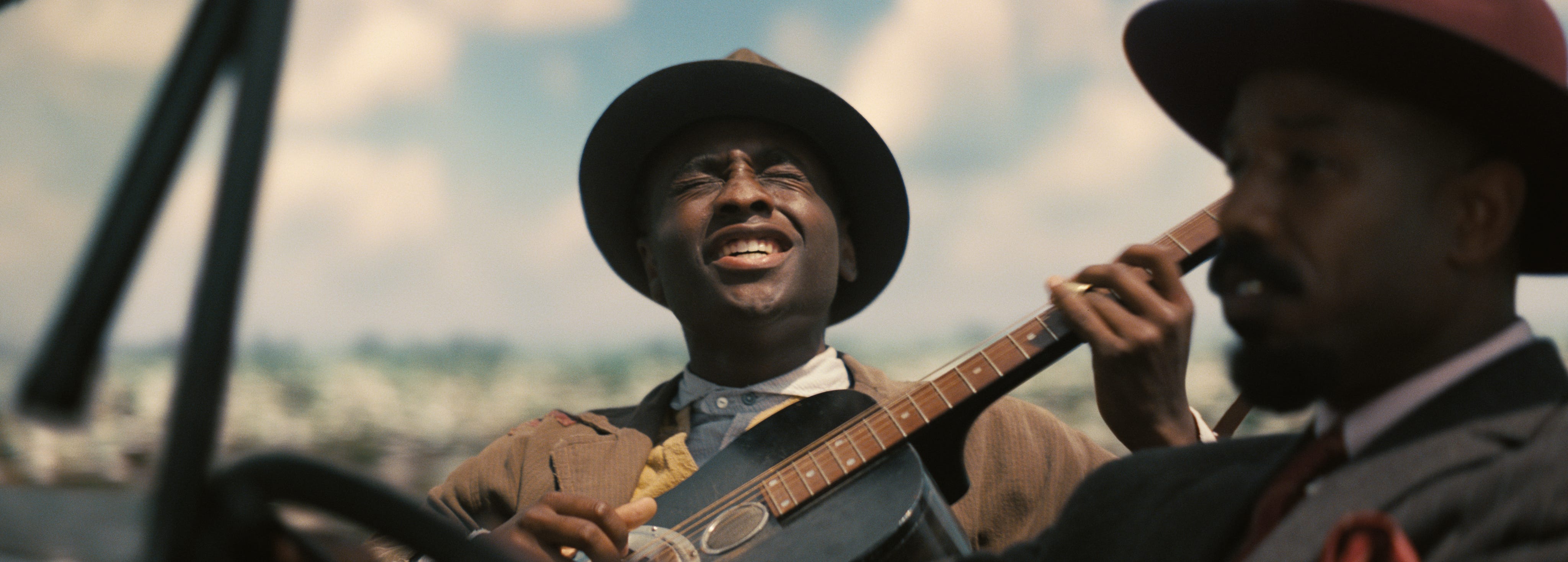
The film also launched an exciting newcomer, Chase Infiniti, who played DiCaprio’s teenage daughter. Similarly, Sinners featured Miles Caton in his first film role as a gifted young blues guitarist. The movie wouldn’t work without his commanding performance.
“I love discoveries,” Lilly says. “As a casting director, you’re like, What? An actor I don’t know? You are immediately googling.”
“World-building”
Then there are the countless smaller roles, cast with performers who lend texture and authenticity to the fictional worlds of their film. One Battle After Another featured memorable nurses, high school students, and Mexican American skateboarders.
“Around Leonardo DiCaprio, a world was created, and that world did not come together haphazardly. It came together through the care and attention of a casting director who takes as much care with the smallest parts as they do with the biggest,” Hicks says. “Even the tiny parts propel the story.”
A huge part of keeping the story in motion is making sure that the cast looks and feels right for the setting. “It’s important that you’re not pulled out of the story by the casting,” Lilly says, noting that in The Secret Agent, “Everybody felt like they were in the ‘70s…The casting helps build the world without people even having to speak. Their faces tell you a story.”
The same is true of Marty Supreme, in which Chalamet was surrounded by actors who looked like they belonged on the Lower East Side in the 1950s — as did their suits, spectacles, and cramped tenement apartments. “Just like you would do world-building in a fantasy story, you are doing world-building in a story that’s taking place in the past,” Lilly says. (It’s worth noting that four of the five casting nominees this year were period pieces; One Battle After Another is set more or less in the present day, but the timeline is intentionally vague.)
Inspired casting of supporting roles can also amplify a powerful lead performance. Jordan won the best actor Oscar for playing identical twins who move and speak in distinct ways. They also have romantic partners, played by Wunmi Mosaku and Hailee Steinfeld, who help further set the brothers apart. “The thought put into casting the love interests of those twins and how those two actors are very different was brilliant,” Lilly says.
Similarly, Hamnet was so devastatingly effective because Mescal, Buckley, and the actors who portrayed their children — especially Jacobi Jupe, who played the doomed title character — were convincing as a family unit. “The casting of children is always very complex,” Lilly says. “Finding children who are able to really do a good job, while also being able to handle the more complex emotions that are required, is really tough.”
Ultimately, Hicks believes a good casting director is interested in “the breadth of human experience,” not just acting.. “We’re sociologists, we’re explorers, we’re librarians, we’re enthusiasts, we’re champions, we’re psychologists — we’re all of that,” he says. “That’s what keeps the job so consistently fascinating.”
Meredith Blake is the culture columnist for The Contrarian
It's always heartening when "unsung heroes" get their day. I'm sure in any industry, at any time, there are many who are nameless but who contribute or make things possible.
I’ve been an extra in a couple of things - one you might recognize another you would not.
It was great fun and I’d do it again if it would not conflict with my current schedule, as it has with the last two casting calls I was interested in.
The most fascinating part to me is the casting. Always thought I’d be good at that. Thanks for this.
I enjoyed it very much.