


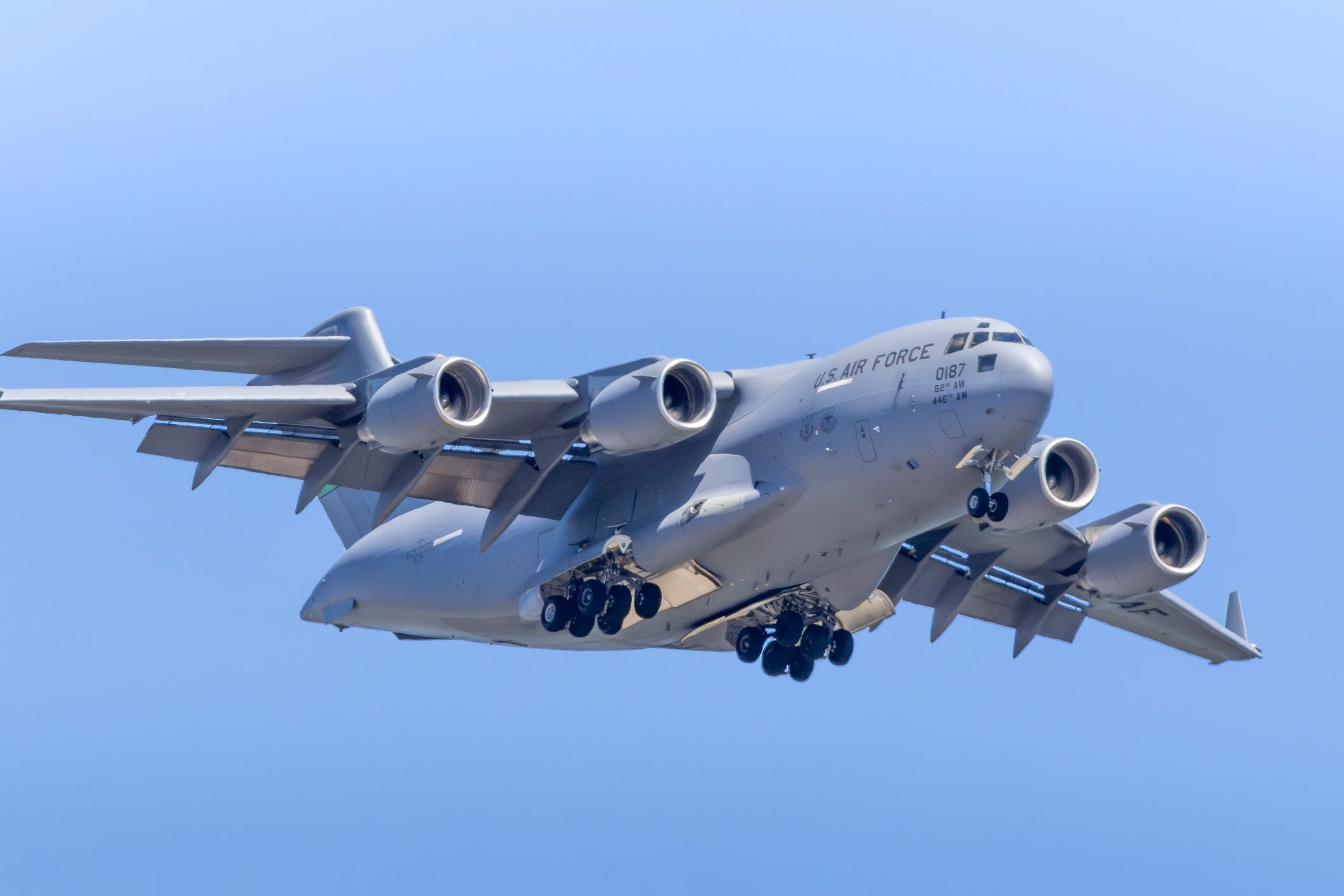
The press intrigue over CIA Director John Ratcliffe’s unannounced trip this week to Moscow — the purpose of which now is emerging through official and unofficial channels — was understandable. The world’s “top spy” quietly slipping into Russia makes for a Jason Bourne-kind of storyline. Open-source videos of a U.S. military aircraft believed to be carrying Ratcliffe approaching Moscow airport only heightened the intrigue.
The logistics are less mysterious. In the current security environment, traveling on a military aircraft, rather than a small official aircraft with American colors and emblems emblazed on the fuselage, is not unusual.
Nor should anyone have been surprised that the trip was unannounced. This is the CIA. There is no reason a trip by a senior official from the U.S. intelligence community would be signaled in advance.
The press nonetheless was right to treat this visit as significant. It took place against a backdrop of mounting security concerns for the United States and its allies about the intentions of Russian President Vladimir Putin in Europe and elsewhere.
European officials’ concerns that Moscow might test NATO’s resolve have grown in recent months, compounded by their own long-standing doubts about President Trump’s willingness to honor our Article 5 commitments. Reporting since Ratcliffe’s visit suggests that warning Moscow against such an attack was, in fact, one purpose of his trip, although neither government has publicly confirmed that account. Trump described it as “semi-routine.”
Ukraine provides another obvious concern, particularly the possibility that Moscow could respond to its military difficulties and increasingly damaging Ukrainian attacks inside Russia by escalating the war.
And beyond Europe lies Iran. Russia already provides Tehran significant assistance, including intelligence support and weapons. Washington has reason to worry that Moscow might broaden that support, particularly by providing the air-defense systems Iran badly needs or greater economic assistance as Tehran faces additional sanctions.
The message — or messages — Ratcliffe delivered matters. But so does the messenger chosen to deliver it.
A senior emissary from Langley conveying “We’re not bluffing” lends more weight than one from the State Department. William Burns served that function when then-President Joe Biden sent him to Moscow in November 2021 to warn Russian officials that Washington was aware Putin was preparing to invade Ukraine.
Ratcliffe may have delivered a similar warning: Moscow should not mistake the ambiguity of Washington’s public statements for ignorance or complacency.
Still, when it comes to Russia, Trump has generally been more deferential than Churchillian. Yet he also has reason to look for a diplomatic success. His support among his political base has weakened, and the Iran war has turned into a quagmire. The longshot of a truce between Moscow and Kyiv — one that he could facilitate, not necessarily drive — would offer him an avenue to boost his self-proclaimed image as a deft dealmaker and peacemaker.
Trump’s long-running obsession with a Nobel Peace Prize makes that deluded calculation plausible.
There is, however, one reason for cautious optimism in Ratcliffe’s role.
His tenure at CIA has hardly been reassuring. He has overseen firings and organizational changes that I and others have argued have weakened the institution. Morale among the analytic workforce has fallen, and an internal survey of the agency’s analytic corps found growing concern that political pressure was intruding on their mission.
Yet Ratcliffe, who has remained close to the president during some of his most consequential national-security decisions, has also shown signs that he is still willing to allow inconvenient assessments to reach the president.
The clearest example came during the Iran war. Ratcliffe described Israeli Prime Minister Benjamin Netanyahu’s regime-change scenarios as “farcical.” According to press reporting, the CIA has also produced assessments that challenged the administration’s claims that Iran’s military had been destroyed or the regime faces imminent collapse.
None of this means the message Ratcliffe delivered to Moscow will temper Putin’s actions — ongoing or planned.
Nor should we assume Trump has been accepting the intelligence judgments presented to him. Rational advice has never guaranteed rational policy, particularly when the advice conflicts with what Trump wants to believe at a particular moment.
But Ratcliffe’s usefulness may lie precisely there. His Moscow visit suggests that, somewhere inside an administration increasingly shaped around the president’s instincts, an official close enough to Trump is still willing to carry an uncomfortable assessment into the Oval Office.
Brian O’Neill, a retired senior executive from the CIA and National Counterterrorism Center, is an instructor on strategic intelligence at Georgia Tech. His Safehouse Briefing Substack looks at what’s ahead in global security, geopolitics, and national strategy.

Well let’s see. If Putin extends too much help to Iran, and the Iranians gain additional leverage over Trump, it could affect his power and control here at home. That would make him less useful to Putin. All of the conspirator’s have to be on the same page, after all.
Thank you for more info on this "trip." I sure do hope the Baltics will not be attacked. Bad enough to have grown up in a Lithuanian family and hearing how the U.S. already turned their back on the country once.