

By Robert Weissman and Lisa Gilbert
Conducting a war is inherently in tension with operating a robust democracy. War requires centralization of power and secrecy; asserts its priority over competing issues and needs; is challenged by the exercise of democratic rights; and facilitates jingoism. That’s in the best of times, even with good-faith leaders prosecuting what might be considered justified wars. In bad times, with autocratic leaders fomenting war on pretextual and bad-faith grounds, the challenges for democracy are far graver.
We’re living in bad times.
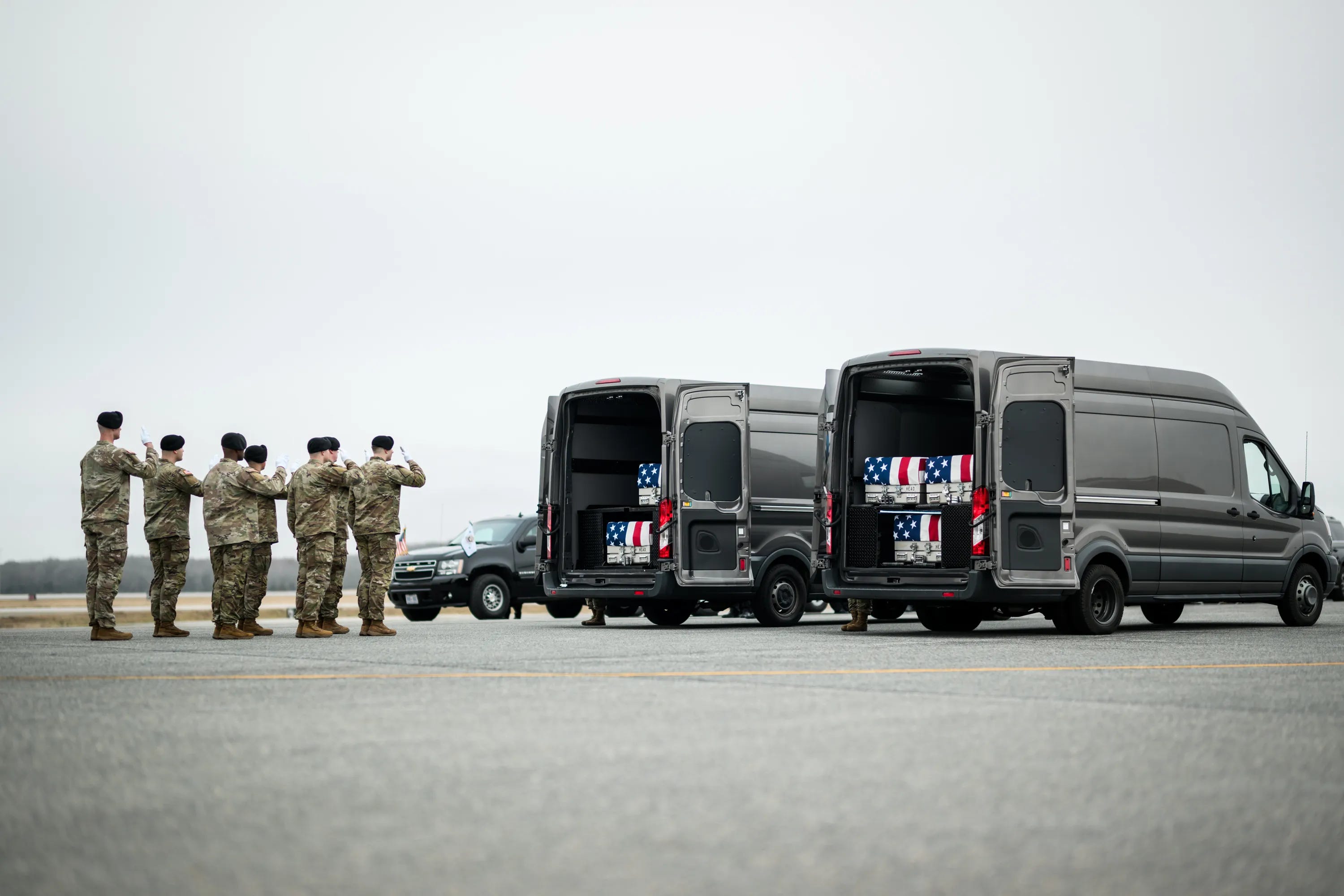
And President Donald Trump’s war on Iran, particularly if it extends into weeks and possibly months or more, will challenge a democracy already under great stress.
First, the war is already further concentrating power in the executive and undermining the constitutional separation of powers. Trump has barely nodded to Congress’s sole constitutional authority to declare war. For an administration that is pushing extremist theories of inherent executive authority, the war — and Congress’s failure to assert its constitutional authority — is a gift.
Second, war is frequently used to justify expanded domestic surveillance operations. The September 11, 2001, terrorist attacks brought us the Patriot Act and the modern system of domestic surveillance. Through Immigration and Customs Enforcement and other agencies, the Trump administration has already intensified domestic surveillance, including of its perceived political enemies, and its conflict with Anthropic signals intent for further expanded operations — and this was all before the Iran war began. If the war persists, we should not be surprised by demands for enhanced surveillance powers — or the regime unilaterally implementing stepped-up surveillance programs.
Third, war paves the way for attacks on civil society, suppression of civil liberties and targeting of disfavored minorities. Franklin Roosevelt shamefully forced Japanese Americans into internment camps; state forces infiltrated, harassed, illegally arrested and abused Muslim and Arab Americans after 9/11. The Trump administration unleashed an out-control-paramilitary ICE gang targeting immigrants, arrested political enemies on fanciful charges, and threatened to crack down on groups it claimed support “domestic terrorism” — using a definition that surely would have covered the Rev. Dr. Martin Luther King Jr. and Rosa Parks. If the war is prolonged, we should expect to see repressive measures intensify. Already, Republicans are saying the war necessitates unlocking funding for the Department of Homeland Security currently on hold because Republicans refuse to agree to modest reforms to stop some of ICE’s and Customs and Border Protection’s unconstitutional and immoral practices.
Fourth, war justifies control over the media. In recent decades, we’ve seen the media shamefully fall into line in parroting pro-war propaganda and increasingly severe Pentagon restrictions on access to information. The Iraq War coopting strategy of letting media embed with U.S. forces seems quaint compared with this administration’s pre-war strategy of requiring reporters covering the Pentagon to agree to an effective loyalty oath. With Secretary of Defense Pete Hegseth chafing at the most basic journalistic questions, it’s a certainty that the Trump administration will do everything in its power to prevent true and accurate reporting about the war. In this, it may be assisted by the takeover and subordination of mainstream media outlets by the likes of Jeff Bezos and Larry and David Ellison.
Fifth, the imperatives of war steal money from priority human needs and divert attention from other concerns. Even before the war, Trump had announced plans to seek a staggering $500 billion annual increase in Pentagon spending, a financial commitment that could starve funding for non-military priorities. And there’s little doubt that administration officials see the war as an effective way to divert public attention away from corporations’ high prices, ICE’s rampages and the Epstein files, among other matters.
Overall, war puts the nation on emergency footing, justifying the subordination of democratic practices and protections. It generates demands for rally-around-the-flag fidelity, with dissent characterized as support for the enemy. It normalizes secrecy and lying to the public (admittedly, this was already a defining feature of the Trump presidency). And it demands deference to the executive from the other political branches in the name of national security.
If the war persists, all of this is poised to exacerbate the worst and most dangerous features of the Trump autocracy. And, with worries high about how Trump may seek to undermine the November elections, war footing and alleged national security risks may provide pretext for the most aggressive election sabotage schemes.
Against all this, there is but one thing to do: Ensure that Americans exercise their rights and refuse to be intimidated. One advantage we have over recent prior war situations is that Trump’s military aggression is overwhelmingly unpopular from the outset. With strong majorities opposing the war, it is harder for the administration to denigrate and repress its opposition — all the more so if we vigorously oppose the war and the entirety of Trump’s authoritarian project.
Robert Weissman and Lisa Gilbert are co-presidents of Public Citizen.
Our ability to hold up under stress is a test of our resilience.
Thank you.