



By now, most Americans have seen the images or heard about the monstrous UFC octagon erected on the South Lawn of the White House as part of an ultimate fighting event tied to President Trump’s 80th birthday celebration.
This is more than a spectacle in poor taste. It represents a further erosion of democratic norms.
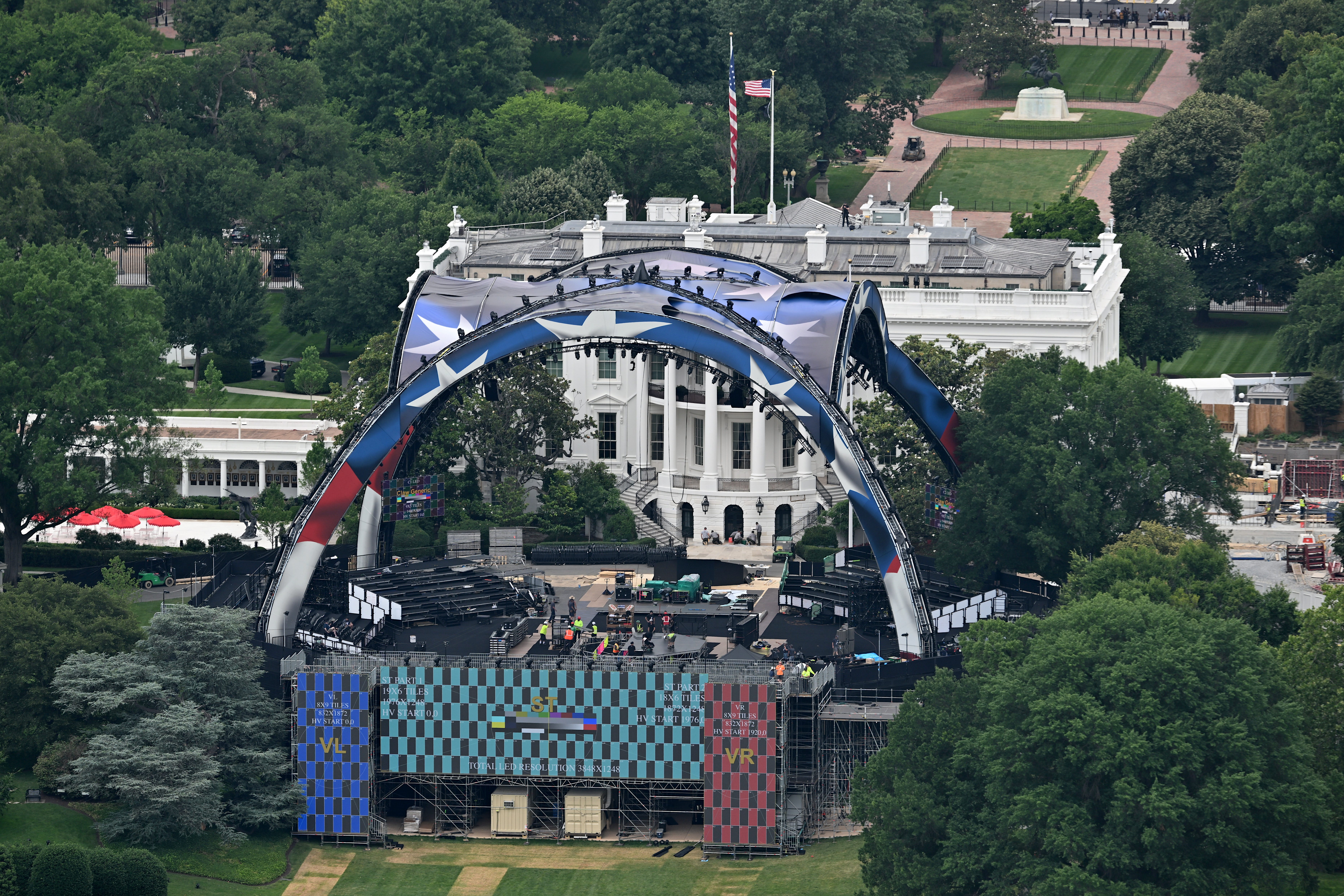
We come to this issue from different vantage points. One of us worked on the ground in Hungary, Poland, Turkey and Ukraine, to advance Democracy. The other spent years as an ethics counsel in two presidential administrations and at the Treasury Department and the Securities and Exchange Commission, working on rules designed to keep public office from becoming a vehicle for private gain. We know how democracy is weakened by repurposing public institutions, elevating loyalty over accountability, and normalizing conduct that would have been unthinkable not that long ago. The White House UFC event reflects all three.
First, it transforms a public institution into a personal stage. The White House is not any president’s private property. It belongs to the American people. For generations, the South Lawn has hosted annual Easter Egg Rolls, major bill-signings, Medal of Honor tributes, and state arrival ceremonies. These events serve a civic purpose. They reinforce a sense of democratic tradition and shared national identity.
A UFC fight card does something different. It turns one of the nation’s most recognizable public spaces into the backdrop for a highly commercialized entertainment event associated with the president’s personal brand and political allies. The symbolism matters. Democracies depend on institutions and systems that are larger than individual leaders and that will persevere long after they leave office. Authoritarian-minded politicians work to reverse that relationship, recasting public institutions as extensions of themselves.
Second, the UFC event raises serious concerns about access, influence, and corruption. It is no coincidence that the event’s exclusive streaming rights belong to Paramount (run by Trump ally David Ellison) or that the UFC itself has long enjoyed a close relationship with the president. Not only is Paramount expected to profit by charging viewers its monthly subscriptions rate for access, but the deal also offers sponsors unparalleled publicity. An official with UFC’s parent company has stated “this is the greatest earned-marketing tool of all time.”
Worse, the administration’s reported decision to condition press access on approval from the UFC underscores how it is intertwining this White House event with private interests. Wealthy businessmen should have no control over who, let alone which members of the press, can access our public institutions. But this administration has proved time and again that favored insiders, loyalists, and donors have leverage. Even if no law is broken, the appearance that political loyalty, access, and business opportunity move hand-in-hand corrodes public trust.
Finally, the UFC fight serves a self-interested purpose. Would-be strongmen understand the value of spectacle. Grand events, public performances, and carefully choreographed displays command attention. They generate headlines, dominate social media feeds, and crowd out scrutiny of corruption and other actions, all which have lasting, harmful effects on our institutions and our personal livelihood.
The June 14 UFC card fight is bigger than this moment in time. It raises questions about whether public institutions remain public, whether access to power remains transparent and accountable, and whether Americans are willing to accept the steady normalization of conduct that diminishes the character and function of democratic government.
The cage on the South Lawn will eventually come down. The greater danger is that Americans become accustomed to the idea that public institutions exist to serve the interests, image, and allies of a single leader. Once that becomes normal, democracy is already weaker. That’s why work of defending democracy cannot stop.
Susan Corke is the executive director of Democracy Defenders Fund. Virginia Canter is chief counsel and director of ethics and anti-corruption at Democracy Defenders Fund.

Join the fight now and get 25% off an annual subscription
Contrarians in Court bring hundreds of cases and legal matters against Trump’s regime — by joining our community today, YOU help STOP the chaos!


Yep, you are correct on all counts. May I add that humans attempting to beat the shit out of each other is not "entertainment"...to me, it is disgusting. Pretty antiquated and primitive. Certainly not something that should be staged on the lawn of the United States White House.
How utterly embarrassing for America.
Holding the ceremonial weigh-in at the Lincoln Memorial is also obscene, with echoes of the slave auctions that used to take place in the nation’s capital, but in a place honoring the president who led the nation to end slavery.